Intact coral reefs, turquoise waters and multicolored wildlife: the Red Sea in Egypt fascinates all those who dream of authentic underwater sensations. Between unforgettable encounters with rare species, preserved coastal village atmospheres, and confidential addresses for a tailor-made stay, every traveler seeks to live an experience combining adventure and respect for nature. This guide helps you choose the ideal site, prepare practically, and adopt good practices to savor every moment, safely and with respect for local biodiversity.
Why does the Red Sea attract so many diving enthusiasts in Egypt?
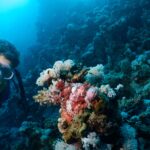
Diving in Egypt is appealing for the variety of its reefs and the richness of its biodiversity. The crystal-clear waters of the Red Sea offer exceptional visibility, ideal for observing marine wildlife of incredible diversity. Each dive reveals the beauty of healthy and colorful corals, the natural habitat of reef fauna and many rare fish species.
From north to south, Red Sea sites offer experiences suited to all levels. The marsas protect beginners while the spectacular drop-offs attract thrill-seekers. Observing pelagic and abyssal fauna enriches every dive. The presence of exceptional marine biodiversity makes this region a true sanctuary.
Iconic sites to explore for a successful immersion
- Ras Mohammed: Natural park with over 150 coral species
- Elphinstone: Famous for its hammerhead sharks and deep-water fauna
- Marsa Alam: Easy access to varied reef fauna
- Ras Abu Soma: Impressive drop-off and migratory fauna
- Sharm el Sheikh: V-shaped reefs and fascinating coral passages
What types of reefs and underwater habitats to explore in Egypt?
Marsas are natural bays with gentle slopes, perfect for discovering bottom-dwelling and protected fauna in a calm environment. Sharms and ras offer coral promontories and vertiginous drop-offs where abundant surface and migratory fauna are encountered. Halgs (underwater gorges) and dahars (coral barriers) complete the diversity of underwater landscapes.
Each type of reef hosts specific underwater biodiversity. Curious divers discover rare fauna such as the dugong at Marsa Abou Dabab, or explore historic wrecks populated by thousands of fish and abundant benthic fauna. The coral flora forms a unique setting conducive to observation and underwater photography.
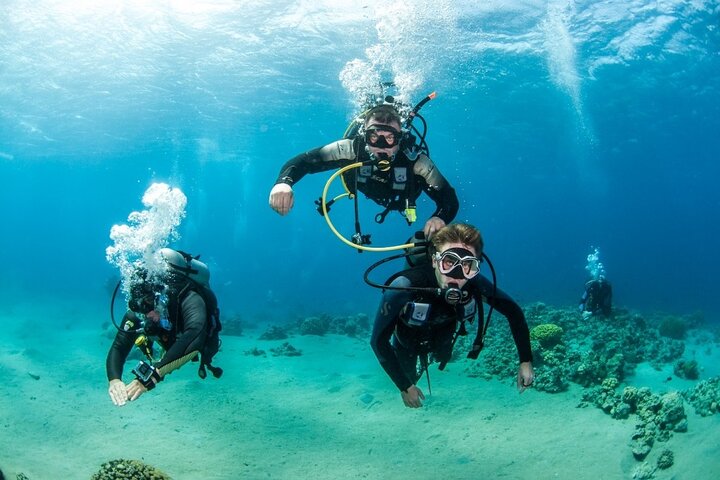
Differences between habitats for each diver level
- Marsas: Protected bays, ideal for beginners
- Sharms: V-shaped formations, perfect for exotic wildlife
- Ras: Drop-offs and encounters with oceanic wildlife
- Halgs: Gorges for experienced explorers
- Dahars: Coral reefs, reserved for boat diving
Which species and biodiversity can be observed during a dive in the Red Sea?
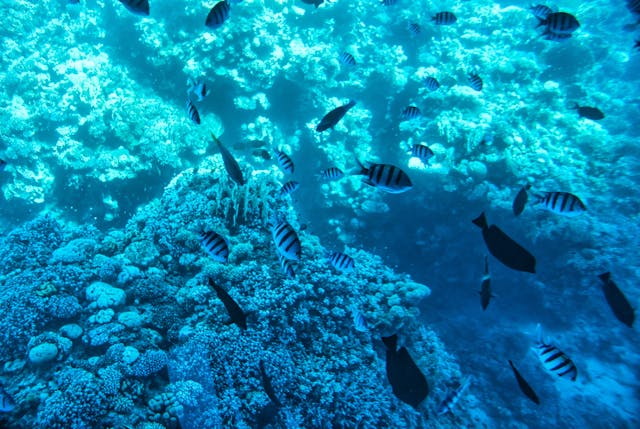
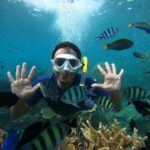
The Red Sea is home to more than 1000 species of fish and unparalleled aquatic biodiversity. Divers frequently encounter turtles, rays, sharks, dolphins, as well as endemic wildlife found nowhere else. Healthy corals and colorful gorgonians form a habitat for a very active reef fauna.
Sites like Ras Mohammed and Elphinstone are renowned for the presence of migratory and endangered wildlife to observe under optimal conditions. Historic wrecks serve as shelter for rare fauna and attract underwater photographers eager for unique shots.
How to choose the best dive site suited to your level and expectations?
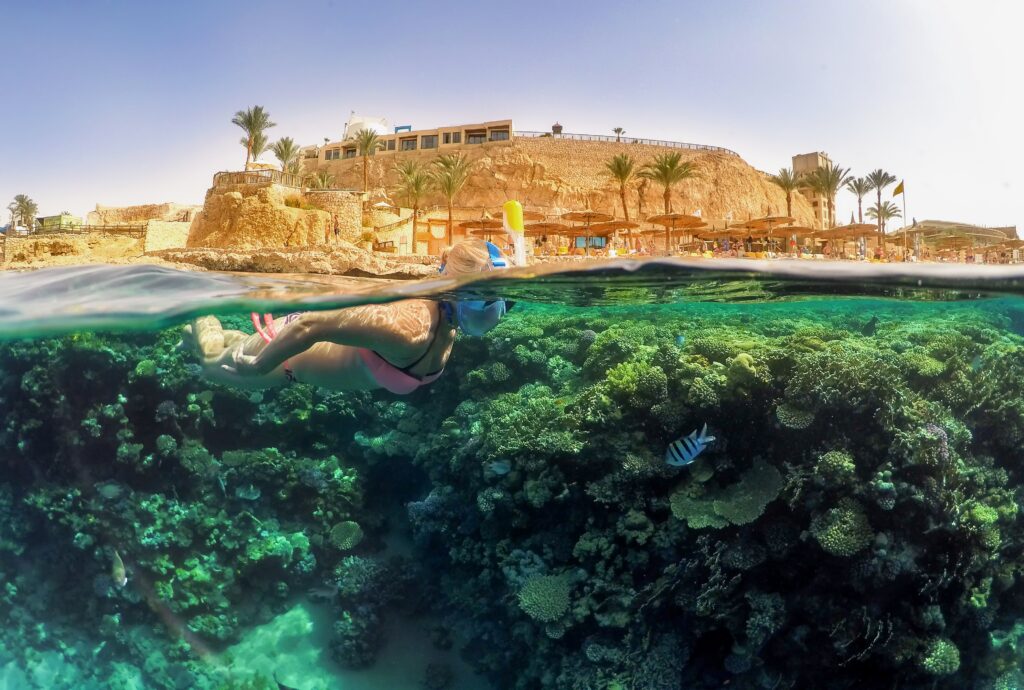
The diversity of sites in Egypt allows everyone to find a spot suited to their experience. Marsas and sandy platforms are suitable for beginners, while drop-offs and drift dives attract experienced divers seeking abyssal and deep wildlife. Specialized agencies offer personalized packages to meet every profile.
Safety remains a priority; the captain’s decision depends on weather conditions. Regulations limit recreational diving to 40 meters; beyond that, only technical divers access extreme depths rich in pelagic fauna and underwater biodiversity.
Which agencies and services to prioritize for an optimal experience in Egypt?
Several recognized providers such as Ultramarina, H2O Voyage, Nature plongée, Spots d’évasion, C6Bo plongée, and Awateha offer tailor-made stays. Choosing an experienced agency guarantees privileged access to the best sites, adapted logistics, and optimal safety during each dive. Local guides accompany divers to maximize wildlife encounters and discover the unique flora of the Red Sea.
Packages generally include accommodation, transfers, and supervision. The less frequented southern sites offer a more intimate experience with shy wildlife and preserved landscapes. Historic wrecks and spectacular drop-offs are among the highlights of the programs offered by these agencies.
Criteria for choosing your diving agency in Egypt
- Experience and reputation of the agency
- Quality of equipment and safety
- Variety of sites offered
- Supervision by experienced guides
- Options for all levels
- Respect for biodiversity and protected areas
In 2019, divers were able to observe a dugong, a rare marine mammal, during a dive at Marsa Abou Dabab, an exceptional event for the region.
Quiz: Explore the Biodiversity of the Red Sea in Egypt
Which site is famous for its hammerhead sharks and deep-water fauna?
Which underwater habitat is ideal for discovering protected wildlife in a calm environment?
Which rare marine species was observed at Marsa Abou Dabab in 2019?
Which site is renowned for its V-shaped formations and fascinating coral passages?
Which behavior is recommended to preserve biodiversity while diving?
Exploring coral reefs with unique biodiversity during a dive in Egypt’s Red Sea offers an incredible experience, and to discover other exceptional sites around the globe, check out the 12 best snorkeling destinations in the world to enrich your next underwater adventures.
What tips for preparing a first diving trip in Egypt?
Preparing a trip dedicated to diving in Egypt requires careful organization. Booking flights and accommodations near major sites in advance makes access to renowned reefs easier. Checking passport validity, subscribing to specialized insurance, and having a recent medical certificate help avoid any administrative constraints. Being aware of local weather conditions ensures you fully enjoy the best diving periods, generally from April to November for optimal visibility.
The choice of equipment directly influences comfort and safety underwater. 5 mm wetsuits are suitable for most seasons, while gloves and booties protect during coral reef exploration. Planning for a reliable dive computer, a waterproof flashlight, and accessories adapted for underwater photography allows capturing the unique marine biodiversity of the Red Sea. Learning about local wildlife preservation protocols guarantees a respectful experience of the environment.
Formalities often include an environmental tax to be paid on site, aimed at protecting reefs and biodiversity. Having cash in Egyptian pounds facilitates transactions. The tourist infrastructures of the main seaside resorts offer direct access to dive clubs and training centers, ideal for beginner divers wishing to obtain an international certification.
Insurance and safety during Red Sea dives
Subscribing to insurance dedicated to diving is essential to cover the specific risks related to the activity. Diving centers often require the presentation of a valid certificate before any sea outing. Specialized medical facilities, including hyperbaric chambers, are mainly located in Hurghada, Sharm el Sheikh, and Marsa Alam. It is important to strictly follow the guides’ instructions to ensure the safety of all participants and protect the marine wildlife.
Respect for the environment and good underwater practices
Adopting responsible behavior underwater helps preserve marine biodiversity and fragile corals. Do not touch the reefs, avoid feeding the fish, and favor the use of sunscreens that respect the ecosystem to limit the impact on wildlife. Local clubs raise divers’ awareness of the actions to take to protect the protected fauna and maintain the natural balance of the sites.
- Book your stay several months in advance
- Choose a certified diving center
- Bring equipment adapted to local conditions
- Respect environmental guidelines
- Plan for specific diving insurance
How does diving in Egypt transform the traveler’s experience?
Discovering the reefs of the Red Sea offers a total immersion in a fascinating universe, where biodiversity and marine wildlife turn every exploration into a sensory adventure. Observing exotic fauna and colorful underwater landscapes allows for unique moments, fostering wonder and connection with nature. This experience enriches the perception of travel, inviting the discovery of local cultures and respect for the marine environment.
Practical FAQ for a successful diving stay in Egypt
What is the best time to observe the iconic species of the Red Sea?
The months from April to November offer ideal diving conditions, with remarkable visibility and increased wildlife activity. During this period, the likelihood of encountering sharks, turtles, and manta rays increases, especially at southern sites where attendance remains lower and nature is preserved.
How to experience an authentic adventure away from the crowds on the Egyptian reefs?
Favoring stays in less touristy areas such as Marsa Alam or Hamata allows immersion in a preserved environment. Staying in ecolodges or opting for diving cruises facilitates access to isolated sites, conducive to encounters with shy wildlife and the exploration of intact reefs.
Is a specific level required to explore the historic wrecks of the Red Sea?
Some wreck sites are accessible to beginner divers with guidance, but others require advanced certification due to depth or currents. Participating in additional training on site allows full enjoyment of these dives while ensuring safety and the pleasure of discovery.