Few places inspire as much fascination as the Great Blue Hole of Belize, where the dizzying depth and millennia-old geological formation promise unforgettable sensations. If you dream of an authentic adventure, between a spectacular underwater cavity, reef sharks and pristine coral reefs, you will find everything here to turn a simple outing into a memorable experience. The preparation, practical advice, and secrets of this unique natural site will guide you step by step to live every moment intensely, safely, and with respect for this exceptional heritage.
Why is the Great Blue Hole such a famous diving site in Belize?
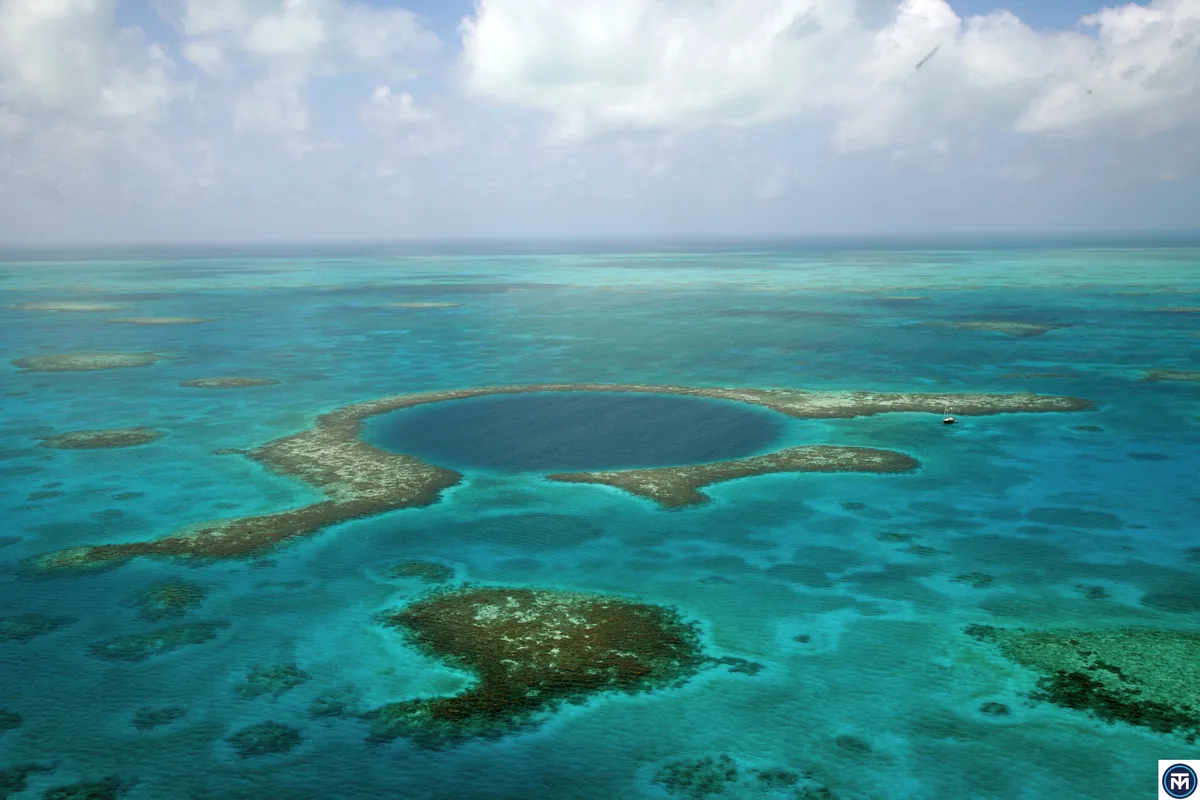
The Blue Hole located in Belize fascinates diving enthusiasts from around the world. Its rare and imposing geological formation attracts those who wish to explore a spectacular underwater cavity. The UNESCO World Heritage site offers an extraordinary experience in the heart of an atoll surrounded by reef.
The impressive depth of the Great Blue Hole attracts experienced divers seeking adventure and new sensations. The stalactites and stalagmites bear witness to a history thousands of years old, reinforcing the unique character of this natural site. The scuba diving here is an invitation to observe the geological formation of an ancient submerged cave.
The diving site was popularized by Jacques-Yves Cousteau, who revealed the beauty of this rocky cavity to the world. The translucent waters, marine life, and the possibility of shark diving make the Great Blue Hole an unmissable destination. The site’s international fame guarantees facilities suited to all enthusiasts.
The major features that make the Great Blue Hole renowned
- Depth of 123 meters and diameter of 305 meters
- Presence of stalactites and stalagmites dating back over 15,000 years
- Discovered and mapped by Jacques-Yves Cousteau in 1971
- Ranked among the top ten diving sites worldwide
- Abundant and diverse marine fauna
What are the conditions for diving in the Great Blue Hole and who is this site for?
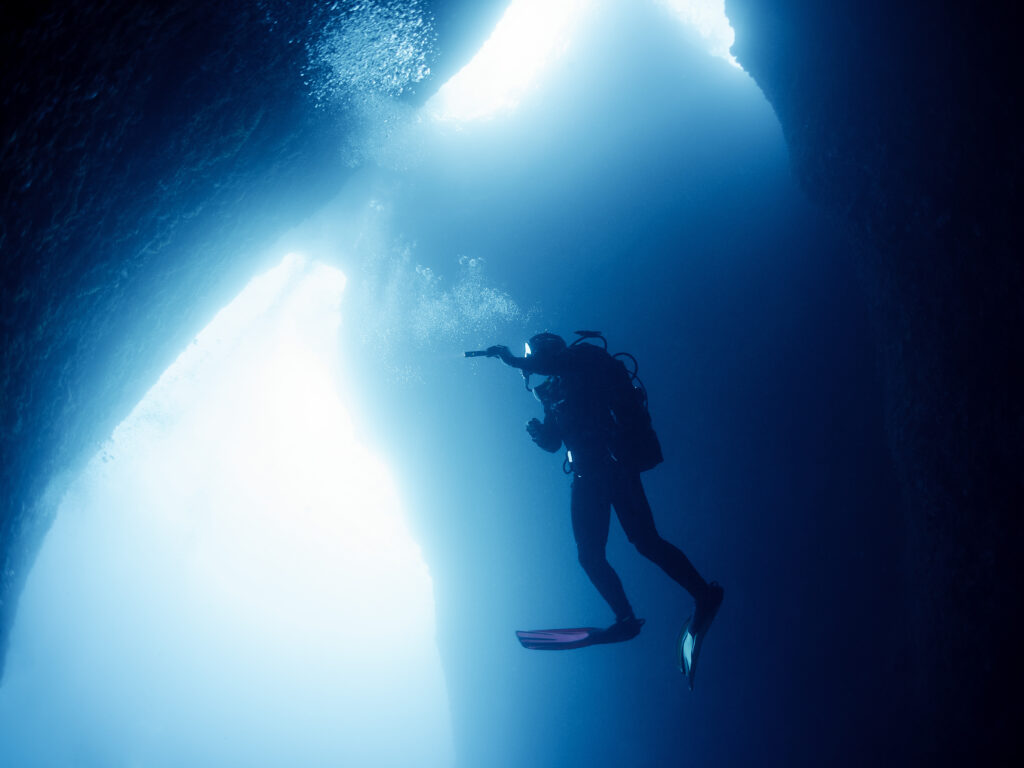
Deep diving into the Great Blue Hole requires solid experience. Divers must have at least 24 previous dives. The descent starts at 30 meters and can reach 40 meters, reserving this technical dive for seasoned adventurers.
The site features characteristics related to the limestone cavity and low light at depth. Divers must master their equipment and air consumption. The environment, although not very colorful, offers impressive cave and cavity landscapes.
Shark diving in the Blue Hole offers the opportunity to observe reef sharks and other marine species. Surface snorkeling remains accessible to all to enjoy the turquoise waters and surrounding reefs. The dive site welcomes both scuba diving enthusiasts and lovers of natural sites.
Prerequisites and Recommendations for Accessing Diving in the Great Blue Hole
- Advanced certification and deep diving experience
- Mastery of equipment and stress management at depth
- Compliance with safety instructions from local operators
- Physical preparation suited to technical diving
- Accompaniment by experienced guides
What Are the Advantages of the Great Blue Hole Compared to Other Diving Sites in Belize?
The Great Blue Hole stands out due to its unique geological formation within the coral reef. The underwater cavity and unmatched depth offer a unique experience for deep diving enthusiasts. The historical aspect and marine life complete the appeal of this site.
Other diving sites like Hol Chan or the Turneffe Atoll offer more accessible and colorful diving. The reefs shelter a great diversity of tropical fish, turtles, and rays. Snorkeling in these areas allows admiring the turquoise waters and coral gardens.
The natural site of the Great Blue Hole attracts those seeking a technical challenge and immersion in an impressive rocky cavity. Enthusiasts of geological formations and adventurous diving favor this site for its exceptional character.
Comparison of the Main Diving Sites Near the Great Blue Hole
- Great Blue Hole: Deep diving, stalactites, sharks, technical experience
- Hol Chan: Colorful reef, snorkeling, varied fauna
- Turneffe Atoll: Exceptional biodiversity, multiple sites
- Hol Chan Marine Reserve: Accessibility, easy marine life observation
How to Organize an Excursion and Tips to Fully Enjoy the Experience?
Organizing a dive in the Great Blue Hole starts with choosing an operator in Caye Caulker or San Pedro. Packages often include transportation, snorkeling on nearby reefs, and lunch. The price ranges between 200 and 300 US dollars depending on the season.
Plan for suitable equipment, eco-friendly sunscreen, hat, swimsuit, towel, and waterproof camera. Accommodations are located on nearby islands, offering easy access to the site. The best period extends from November to April to enjoy the turquoise waters and optimal visibility.
In addition to scuba diving, exploring the limestone cavities of the Blue Hole from the air by helicopter offers a unique perspective. Complementary activities include visiting Mayan archaeological sites, the Belize museum, and discovering the Hol Chan marine reserve.
Practical tips for a successful experience at the Great Blue Hole
- Book the excursion in advance
- Check the weather conditions
- Choose a certified operator
- Prepare your personal equipment
- Inform yourself about safety rules
In 2018, an expedition led by Richard Branson precisely mapped the bottom of the Great Blue Hole using advanced technologies.
Quiz: Discover the Great Blue Hole in Belize
What is the maximum depth of the Great Blue Hole?
Who popularized the discovery of the Great Blue Hole in 1971?
What type of geological formation is visible in the Great Blue Hole?
The Great Blue Hole is listed as a World Heritage site by which organization?
Which activity is accessible to all to enjoy the site without technical diving?
How does the marine life of the Great Blue Hole enrich the divers’ experience?
The marine life of the Blue Hole surprises with the diversity of its species despite the depth. Divers can observe reef sharks, pelagic fish, and sometimes schools of tuna. Interactions with these animals add a fascinating dimension to each dive, enhancing the unique character of the site.
The reefs bordering the great hole shelter hard and soft corals, sponges, and a multitude of small tropical fish. These habitats offer a striking contrast with the deep cavity, allowing visitors to enjoy a full immersion in a rich and preserved ecosystem.
Geological formations invisible at the surface
Underwater, the geological formations of the Blue Hole reveal spectacular vertical walls. Exploring these cavities helps to understand the genesis of stalactites and stalagmites that bear witness to an ancient history. Each descent offers a perspective on the power of natural transformations.
Visibility conditions and seasonality
Underwater visibility varies according to the season and sea conditions. The ideal period to enjoy the turquoise waters extends from November to April, when conditions are stable. This clarity allows for a full appreciation of the depth and beauty of the natural site.
The importance of physical and mental preparation
Approaching deep diving in the Great Blue Hole requires rigorous preparation. Good physical condition and stress management optimize the experience. Divers must remain attentive to their equipment and air consumption to calmly enjoy the descent.
Alternatives for non-divers
Visitors who do not practice diving can explore the area by snorkeling. The peripheral reefs offer colorful landscapes and abundant marine life, accessible without specific training. This alternative allows experiencing the adventure of Belize without descending deeply.
- Observation of reef sharks and pelagic fish
- Exploration of vertical walls and limestone formations
- Best visibility between November and April
- Physical and mental preparation recommended
- Snorkeling accessible for all levels
Why choose the Great Blue Hole for a first major diving adventure?
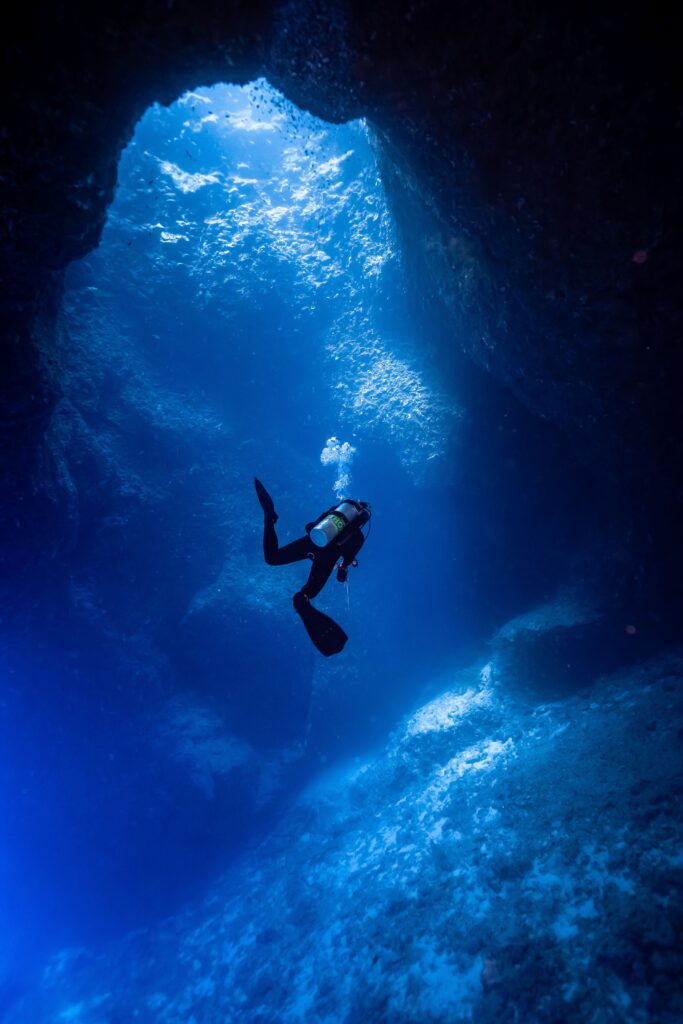
The Great Blue Hole of Belize embodies the dream of many diving enthusiasts. The experience of a descent into a mythical cavity, surrounded by reefs and exceptional marine life, leaves a lasting mark on every explorer. This site offers an immersion into one of the most beautiful atolls on the planet, where diving becomes a true inner journey.
Practical FAQ about diving in the Great Blue Hole of Belize
What unforgettable memories can you bring back from a dive at the Great Blue Hole?
The experience in the Great Blue Hole often leaves images etched in memory: the sensation of floating between sky and abyss, the silent observation of sharks, or the discovery of stalactites, remnants of a bygone era. Underwater photographs, stories of encounters with other enthusiasts, and the feeling of having explored a mythical site sustainably enrich your diving journey.
How to combine adventure and environmental respect during an excursion?
Choosing operators committed to protecting the site, limiting the use of chemical sunscreens, and avoiding any contact with coral help preserve this unique environment. Preparing your trip with this eco-conscious mindset allows you to live an authentic adventure while contributing to the conservation of the Great Blue Hole for future generations.
If the discovery of the Great Blue Hole fascinates you, you can also explore the most beautiful snorkeling destinations around the world to enrich your aquatic experiences and admire exceptional marine landscapes.