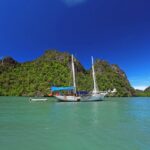
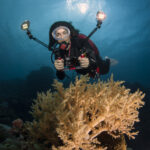
Underwater wonder, rare encounters and untouched nature: if you dream of an authentic experience far from the beaten path, Cahuita National Park answers this quest for escape and deep connection with marine life. Feeling the adrenaline when encountering sea turtles or the serenity facing preserved reefs means offering yourself a suspended moment where every instant counts. Facing the pressure of mass tourism and the fragility of ecosystems, how can you fully enjoy these seabeds while respecting their balance? Through this guide, discover how to live a responsible adventure, prepare your outing, and choose the best options for an unforgettable immersion at the heart of Caribbean biodiversity.
What are the advantages of Cahuita National Park for diving and snorkeling?
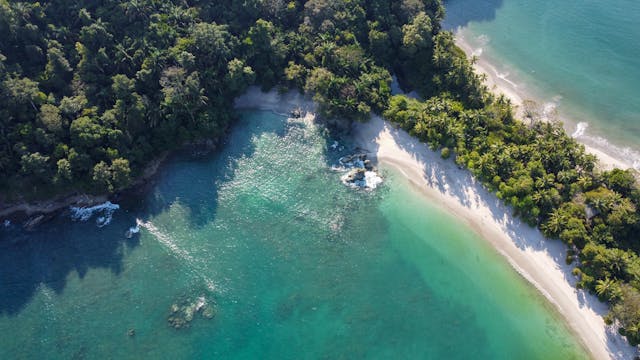
Cahuita National Park extends over a vast area of exceptional biodiversity, combining tropical forest and preserved seabeds. Diving takes on full meaning here thanks to the richness of marine fauna, protected coral, and rare species observable both in snorkeling and scuba diving. The marine area covers twenty thousand hectares, allowing exploration in complete tranquility.
The clear waters of Cahuita offer remarkable visibility, ideal for diving and free diving. Sites like Punta Cahuita and Isla de Caño reveal colorful fish, sea turtles, and manta rays. Boat excursions are organized by local agencies, with an average cost of forty US dollars for a two-hour outing.
The protection of coral reefs is ensured by regulated access, requiring the presence of a guide to limit the impact on the ecosystem. Visitors benefit from professional supervision, promoting responsible diving and the conservation of fauna and the park. These measures guarantee an ecological and safe diving experience.
Remarkable sites and species to observe
- Punta Cahuita: coral reefs and tropical fish
- Isla de Caño: sharks and manta rays
- Islas Catalina: dolphins and turtles
- Gulf of Papagayo: sport diving
- Ballena Marine Park: tourist diving and whale watching
How to access the park and what are the particularities of Cahuita’s beaches?
Cahuita National Park is accessible through two main entrances. The Playa Blanca entrance is free, open from 6 a.m. to 5 p.m., while the Puerto Vargas entrance costs five US dollars and is open from 8 a.m. to 4 p.m., allowing to avoid crowds. Each access leads to preserved beaches and discovery trails of the park.
The beaches of Cahuita attract with their light sand and crystal-clear waters, ideal for scuba diving or free diving. Puerto Vargas, less frequented, offers a peaceful setting for swimming and marine wildlife observation. Playa Negra, nearby, attracts surfing and exploration enthusiasts.
The ideal season extends from January to April and in December, a period when the climate is warm and dry. Underwater visibility reaches its maximum, making diving and snorkeling particularly enjoyable. Excursions often depart from Puerto Limón, facilitating the organization of your activities.
Access options and beach activities
- Playa Blanca: free entry and coastal trails
- Puerto Vargas: paid access, guaranteed tranquility
- Beaches with white or black sand for swimming
- Surfing at Playa Vargas and Playa Negra
- Boat trips for snorkeling
What marine and terrestrial wildlife can you discover during a guided exploration?

The marine wildlife of Cahuita National Park impresses with its diversity. Dives allow observation of white-tip sharks, bull sharks, tiger sharks, and sometimes whale sharks. Sea turtles (green, hawksbill, leatherback, olive ridley) cross paths with bottlenose or spotted dolphins.
The coral reefs host multiple fish species, manta rays, and other rare specimens. Observation is conducted under the supervision of a local guide, ensuring a respectful exploration of the ecosystem. The presence of French-speaking guides, such as Carine, promotes an enriching experience.
On land, the forest shelters howler monkeys, capuchins, spider monkeys, two- and three-toed sloths, green basilisks, and eyelash vipers. The birdlife richness attracts observation enthusiasts with toucans, macaws, and tropical birds. Rescue centers like the Sloth Sanctuary or the Jaguar Rescue Center contribute to the conservation and protection of this biodiversity.
What additional experiences can you have around Cahuita and how to extend the adventure?
Activities around Cahuita are not limited to diving. Boat trips allow admiring the marine environment through snorkeling or scuba diving. Exploring the region also includes visiting the Bribri community in the Talamanca mountains for a unique cultural immersion.
Centers like the ARA project work for the reintroduction of scarlet macaws, while the Jaguar Rescue Center cares for injured or orphaned wildlife. The beaches host the nesting of sea turtles each year between March and October, a highlight for observation and conservation.
After Cahuita, it is possible to reach Bocas del Toro in Panama by plane or bus from Limón. Diving enthusiasts will find new sites to explore while enjoying the natural and cultural richness of the Caribbean.
One March evening, guided visitors were able to observe the birth of dozens of leatherback turtles on the beach of Puerto Vargas, a rare and moving spectacle.
Quiz: Discover Diving in Costa Rica and Cahuita Park
What is the main asset of Cahuita National Park for diving?
Which remarkable sites can be explored during a dive or snorkeling in Cahuita?
What is the best period to dive in Cahuita?
During the rainy season (May to November)
All year round without distinction
What marine wildlife can be observed during a dive in Cahuita?
What is an essential tip for responsible diving in Cahuita?
How to Prepare for a Diving or Snorkeling Trip in Cahuita National Park?
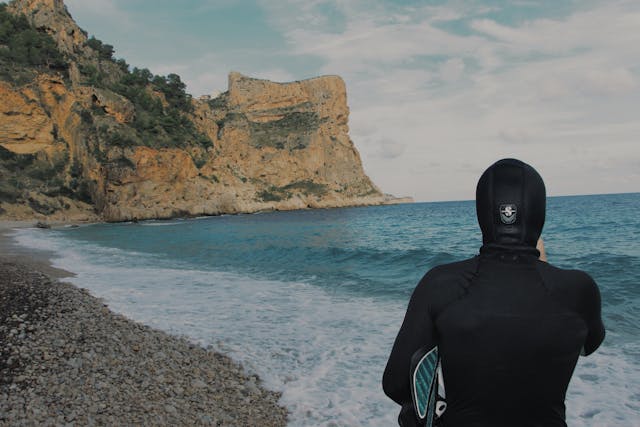
Preparing for a diving or snorkeling experience in Cahuita National Park begins with choosing the right season. Favoring the dry season ensures better underwater visibility and optimal conditions for observing marine wildlife. Planning appropriate equipment—mask, snorkel, light wetsuit, and biodegradable sunscreen—helps protect the fragile coral ecosystem. Local agencies offer equipment rental and the presence of an experienced guide for safe exploration.
Registration is often done on-site or online, allowing you to reserve a spot on excursion boats departing from Puerto Limón or directly from Cahuita. Groups are limited to preserve biodiversity and ensure responsible diving. French-speaking guides facilitate understanding of instructions and share advice on conserving natural sites. Personalized support promotes a rewarding discovery of the park’s marine environments.
Safety Conditions and Recommendations
Respecting the safety instructions provided by the guide is essential to fully enjoy diving. Ocean currents, the depth of the sites, and the presence of certain species require constant vigilance. Using a flotation vest and carefully listening to instructions ensure a calm exploration suitable for all levels.
Choice between free diving and scuba diving
Free diving allows admiring coral reefs and tropical fish at shallow depths, ideal for beginners. Scuba diving opens access to deeper areas where observing sharks, manta rays, and sea turtles becomes possible. Local centers offer introductory dives and training to get started with underwater diving.
Respect for the marine ecosystem
Commitment to ecological diving means not touching the coral or collecting natural elements. Visitors are encouraged to follow marked routes and avoid using products harmful to marine wildlife. Pre-dive briefings remind participants of the actions to take to preserve the ecosystem.
Services offered by local guides
Local guides share their in-depth knowledge of the park and its inhabitants. They ensure the safety of participants, provide explanations about the species encountered, and raise awareness about biodiversity conservation. Their support transforms each outing into an educational and immersive experience.
- Check the weather before any outing
- Choose a certified and experienced guide
- Plan for environmentally friendly sun protection
- Respect safety and preservation instructions
- Avoid feeding marine animals
Why does diving in Cahuita appeal so much to travelers seeking authenticity?
Experiencing an exploration in the heart of Cahuita National Park means accessing unique biodiversity, pristine underwater environments, and spectacular marine wildlife. Encounters with sea turtles, manta rays, or sharks leave a lasting impression on any diving or snorkeling enthusiast. The presence of local guides committed to conservation guarantees a respectful and authentic immersion, far from mass tourism. The wild beaches, cultural richness, and Caribbean atmosphere complete this experience, offering travelers an unforgettable and responsible adventure with every dive.
Practical FAQ to enrich your diving experience in Cahuita
Can you dive in Cahuita with family and children?
Families with children can enjoy the underwater world of Cahuita thanks to specially adapted excursions. Guides offer snorkeling sessions in calm and shallow areas, ideal for the youngest. Child-sized equipment and personalized support ensure comfort and safety for the whole family.
Are there eco-friendly accommodations near the national park?
Around Cahuita, several lodges, eco-lodges, and hotels are committed to sustainable practices. These establishments limit their environmental impact by using local materials, offering responsible water and waste management, and sometimes directly supporting wildlife conservation projects.
How to avoid overcrowding during a diving or snorkeling trip?
To enjoy a peaceful experience, favor outings early in the morning or during weekdays, times when attendance remains low. Local agencies can also organize private or small group excursions, allowing a more intimate exploration of the sites while respecting the park’s natural balance.
If you want to expand your aquatic experience after exploring the underwater world of Cahuita National Park during your diving in Costa Rica, also discover the best snorkeling destinations in the world to experience other fascinating underwater adventures.