Do you dream of coral reefs with vibrant colors, unforgettable marine encounters, and a total immersion in warm, clear waters? Jamaica offers both pristine reefs, mysterious shipwrecks, and fascinating biodiversity, ideal for those who want to live an authentic adventure while avoiding the pitfalls of mass tourism. Between practical advice, choosing the right equipment, and tips to combine cultural stays with underwater experiences, dive into a story that guides you step by step to turn your desires into memorable memories.
What are the main diving spots and their specificities in Jamaica?
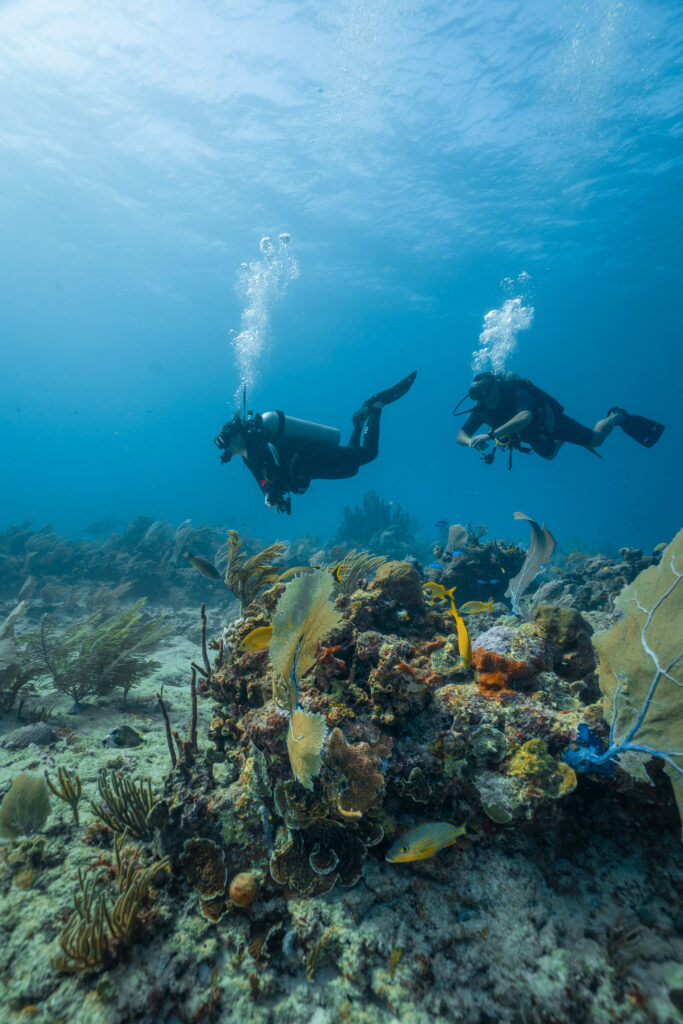
Diving in Jamaica reveals a mosaic of reefs and sites suitable for all profiles. Montego Bay attracts with its coral reefs accessible to beginners, such as Airport Reef at 12 meters deep, perfect for a first experience. Negril offers Seven Mile Reef, a site rich in biodiversity where exploration becomes a constant spectacle thanks to the variety of species present.
Ocho Rios and Runaway Bay attract with their shipwrecks, notably the Bristol Beaufighter at 18 meters, ideal for in-depth observation of marine life. Port Antonio and its Blue Lagoon offer caves and deep dives up to 30 meters for experienced divers. Each spot exposes varied habitats and preserved marine ecosystems.
The main spots to explore for all levels
- Montego Bay: beginner diving at Airport Reef and observation of the plane wreck
- Negril: varied spots, experienced diving at Seven Mile Reef
- Ocho Rios: Runaway Bay, accessible wrecks and caves
- Port Antonio: Blue Lagoon, deep dives and spectacular light plays
What types of marine fauna and flora can be observed during a dive in Jamaica?
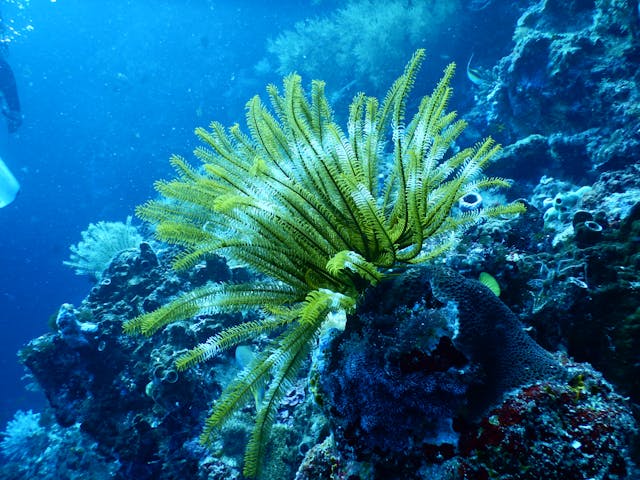
Jamaica’s coral reefs shelter a varied fauna and flora, offering privileged observation of emblematic species of tropical ecosystems. Multicolored fish, stingrays, green turtles, and sharks, including hammerhead sharks and grunts, swim near living corals and wrecks.
The marine ecosystems include caves decorated with stalactites and stalagmites, serving as habitats for a myriad of tropical fish. Snorkeling also allows observation of barracudas, turtles, and rays, enhancing the richness of underwater exploration.
Remarkable species and habitats to discover underwater
- Species: Hammerhead sharks, grunts, barracudas, sea turtles
- Corals: Hard and soft colorful corals, refuges for tropical fish
- Caves: Stalactites, stalagmites, and light shows
- Wrecks: Bristol Beaufighter plane, habitats with abundant wildlife
How to choose between scuba diving and snorkeling based on your level?
Beginner scuba diving is aimed at those who want an immersive and extended experience, supervised by certified instructors. The necessary equipment includes mask, snorkel, fins, wetsuit, regulator, and buoyancy vest to ensure comfort and safety during each dive.
Snorkeling is suitable for everyone, especially for quick exploration of reefs and wildlife visible at the surface. Resorts and operators often provide the appropriate gear, making it easy to observe and discover marine ecosystems even without prior experience.
What training and facilities make diving in Jamaica accessible for all profiles?
Many PADI-certified dive schools offer training for every level, from beginner to experienced. Sessions include equipment training, mask mastery, snorkel use, and buoyancy exercises, for a safe experience at every stage.
Organized excursions provide access to various sites by boat or directly from the beach, depending on your preferences and level. Local guides share their knowledge of ecosystems and marine habitats, making each dive enriching and tailored to individual expectations.
Which tours combine diving and cultural discovery in Jamaica?
Tours like Jamaica Explorer or the nature lovers’ tour combine diving, hiking, waterfall visits, and boat excursions for a total immersion. These packages mix reef diving, cave and wreck exploration with cultural activities such as visiting plantations or museums.
Short stays of one week in Montego Bay or longer three-week trips offer a gradual discovery of major sites, alternating underwater experience and observation of terrestrial landscapes. The organization of these tours guarantees access to the best spots while enjoying the island’s cultural and natural richness.
During a dive in Montego Bay, it is not uncommon to encounter a green turtle gliding peacefully above a coral reef, a sight that leaves a lasting impression on any underwater exploration enthusiast.
Diving Quiz in Jamaica: Test Your Knowledge!
Which site is ideal for beginner diving in Jamaica?
Which iconic marine species can be observed during a dive in Jamaica?
What equipment is essential for snorkeling?
Which site offers deep dives with light shows?
To extend your discovery of the seabed after your diving experience in Jamaica, also explore the best snorkeling destinations around the world and let yourself be charmed by the diversity of sites to visit.
Which equipment to prioritize for a successful dive in Jamaica?
Selecting the right equipment optimizes the dive and guarantees a comfortable immersion in Jamaican waters. Choosing a mask with a wide field of vision facilitates the observation of species and corals. Soft fins improve buoyancy and reduce fatigue during reef exploration.
A wetsuit adapted to the water temperature offers protection against currents and contact with local fauna or flora. A reliable regulator ensures a constant air supply, essential for experienced dives and long immersions on deep sites or around wrecks.
For snorkeling, an ergonomic snorkel and a buoyancy vest facilitate safety and comfort, making the experience accessible to all levels. The equipment rented on site meets international standards, allowing a serene exploration of marine ecosystems.
Tips for maintaining your diving equipment
Rinsing with fresh water after each dive extends the lifespan of the mask, fins, and snorkel. Drying in the shade preserves the flexibility of materials and prevents mold growth, ensuring an optimal experience during each exploration.
How to properly prepare your bag before a diving outing?
Preparing a precise list of equipment avoids forgetting items and guarantees maximum safety. Checking the condition of the regulator, fins, and mask before departure allows anticipating any unforeseen issues during the dive at Jamaican spots.
- Panoramic vision mask
- Fins adjusted to morphology
- Wetsuit adapted to the temperature
- Ergonomic snorkel
- Maintained regulator
- Secured buoyancy vest
Why choose Jamaica for a first diving experience?

Jamaica offers a variety of sites suitable for everyone, from shallow reefs to accessible wrecks, promoting a rich and safe first experience. The exceptional biodiversity, clear waters, and presence of certified instructors make the island a preferred destination to start diving or to improve underwater exploration skills.
FAQ to prepare for an unforgettable diving adventure in Jamaica
Can diving be practiced all year round in Jamaica despite the seasons?
Jamaica benefits from a tropical climate that makes diving accessible in all seasons. The months from December to April generally offer optimal visibility and particularly stable marine conditions, but other periods also allow enjoying the sites, sometimes with less underwater crowding.
Can beginner divers encounter spectacular marine animals from their first dives?
Many shallow spots allow observing a varied fauna from the first steps underwater. It is not uncommon to see turtles, parrotfish, and stingrays just a few meters deep, even during introductory dives or beginner outings.
Are there accommodations specially designed for divers in Jamaica?
Some hotel facilities, particularly in Negril or Montego Bay, offer services dedicated to divers: rinse stations for equipment, partnerships with PADI centers, and organization of daily outings from the beach or by boat, thus facilitating the planning of the stay for enthusiasts.