Do you feel this need to escape, this desire to experience rare moments beneath the surface, where the light reveals living paintings and every encounter upends your bearings? Zanzibar, with its preserved coral reefs and exceptional marine life, fascinates as much as it raises questions about how to travel without harming this fragile balance. Faced with the temptation of an extraordinary experience, how can one combine safety, respect for the environment, and authenticity? In this story, I share my practical advice and emotions to guide you step by step towards a responsible, unforgettable immersion tailored to your desires.
Why does diving in Zanzibar attract enthusiasts from around the world?
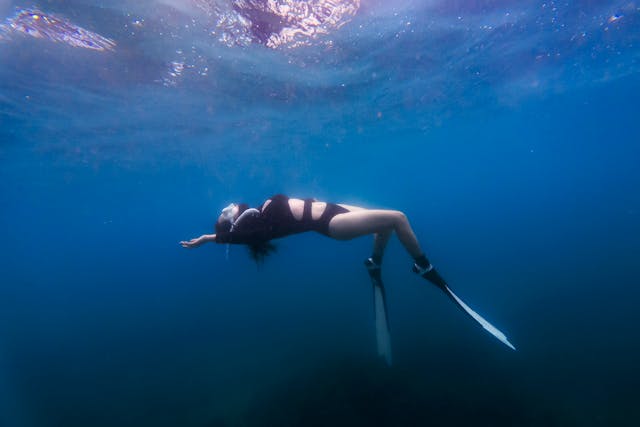
Diving in Zanzibar attracts thanks to year-round accessible scuba diving, with visibility from 15 to 30 meters and an average water temperature of 27 degrees Celsius. Zanzibar boasts remarkable diversity, from living coral reefs to colorful tropical fish, offering an experience for all levels.
The marine life is of incomparable richness, from whale sharks to turtles, including dolphins and rays. Diving in a protected environment guarantees the preservation of species and the beauty of the sites, making the archipelago a global reference.
The major advantages of Zanzibar for diving
- Optimal visibility of 15 to 40 meters depending on the sites
- Warm water temperature all year round
- Diverse marine fauna with over 500 species
- Sites suitable for beginners and experienced divers
- Presence of whale sharks from November to March
- Dives supervised by certified centers
What are the must-see diving sites around Zanzibar?
Diving on Mnemba Island offers vibrant reefs and crystal-clear waters with groupers, Napoleon fish, sharks, and sometimes turtles. Diving at the Pemba atoll captivates with its multicolored corals, tropical fish, and rare tranquility, far from the crowds.
In the north, diving at Nungwi allows observation of abundant marine life, while in the south, Kizimkazi offers frequent encounters with rays and blacktip sharks. Mafia Island remains the most preserved with isolated dives and a gentle atmosphere.
Key sites for diving in Zanzibar
- Mnemba: natural environment diving with reefs and varied marine life
- Pemba: peaceful diving on preserved corals
- Nungwi: sea diving suitable for all levels
- Kizimkazi: diving away from crowds and observing large predators
- Mafia Island: diving in a protected environment and whale shark observation
Which marine species can be observed during a dive in Zanzibar?
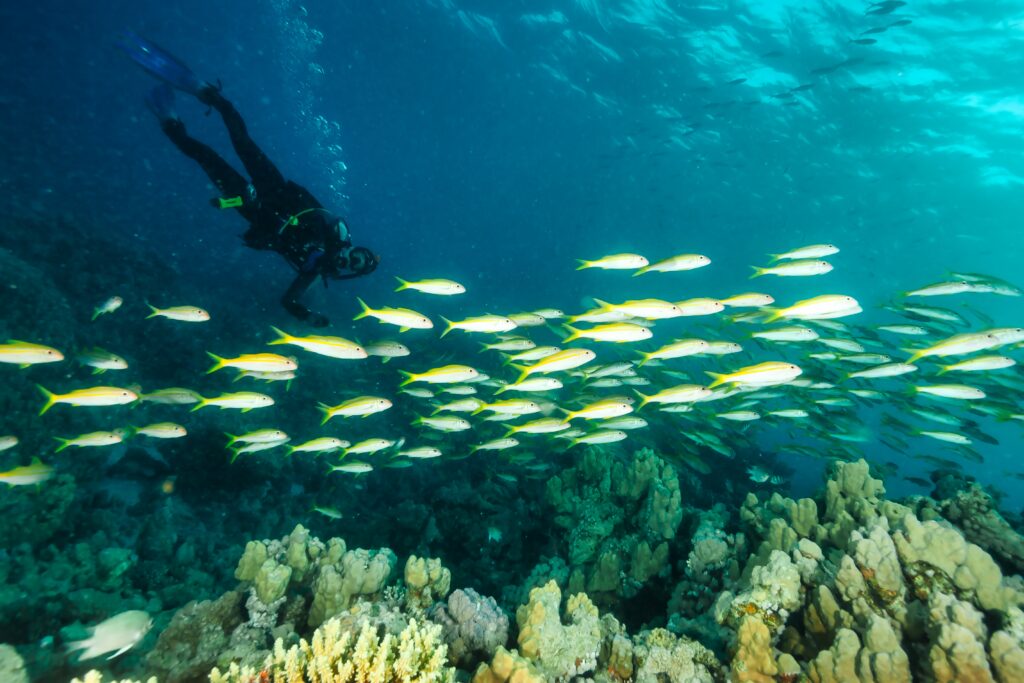
Underwater wildlife of Zanzibar impresses with over 500 species, including turtles, sharks, dolphins, rays, and colorful fish. Snorkeling is sometimes enough to encounter spotted rays or rare nudibranchs.
From November to March, the whale shark becomes the star, especially at Mafia Island. Whales and manta rays can be observed in August, September, and March, enriching every experienced dive with an unforgettable encounter.
Which dive centers to choose for a successful experience in Zanzibar?
Fun Divers Zanzibar in Nungwi stands out for its PADI courses, boat dives to Mnemba, and modern equipment. One Ocean offers exclusive sites in Stone Town and Nungwi, known for its professionalism and technical diving in small groups.
Spanish Dancer Divers in Nungwi specializes in night diving and bioluminescent marine life, ideal for a peaceful and unique dive experience. Dive Point Zanzibar in Kiwengwa favors less frequented sites for isolated diving and personalized service.
Criteria for selecting a dive center
- PADI certification or equivalent
- Small groups for increased safety
- Recent and well-maintained equipment
- Supervision by experienced instructors
- Variety of accessible sites
How to reconcile safety and environmental preservation during a dive in Zanzibar?
Following the instructors’ guidelines during each dive ensures safety, with one instructor for a maximum of four divers. Preserving underwater wildlife means not touching the coral, not feeding the fish, and avoiding any waste in the sea.
Choosing a dive in a protected area promotes the conservation of coral reefs and marine life. Booking with a certified center allows for a dive at the island or atoll while respecting local ecosystems.
On the Mnemba reef, a green turtle was observed laying eggs at sunrise, a rare spectacle to experience during a morning dive.
Quiz: Discover Diving in Zanzibar!
What is the average water temperature in Zanzibar throughout the year?
What is the iconic reef for diving in Zanzibar?
Which marine species is particularly observable from November to March at Mafia Island?
Which dive center specializes in night diving in Nungwi?
Spanish Dancer Divers
Which activity allows observing marine life without diving deep?
Snorkeling (mask and snorkel)
To discover other fascinating places where marine biodiversity rivals that of diving in Zanzibar, you can explore the best snorkeling destinations in the world and thus enrich your underwater experience.
What tips for preparing your first dive in Zanzibar?
Preparation for a dive in Zanzibar begins with choosing a certified center, ensuring safety and quality supervision. Beginners benefit from a calm dive on suitable sites, with attentive instructors at every step. Checking the weather and visibility optimizes the experience, especially to enjoy coral reefs and marine wildlife.
Equipment provided by centers includes wetsuit, buoyancy vest, regulator, and fins, but it is still recommended to bring a personal mask for more comfort. For snorkeling, biodegradable sun protection preserves the coral and marine life. A medical certificate of no contraindication to scuba diving may be required.
Respect for safety instructions and the environment ensures a positive experience. Local guides share their knowledge of tropical fish and reef particularities. Favoring a dive away from crowds allows observing more active and preserved marine wildlife.
Budget to plan for a dive in Zanzibar
Prices vary depending on the type of diving and chosen sites. A boat dive costs between 40 and 100 euros depending on distance and included equipment. Packages for multiple dives offer better value, especially to discover different areas like the atoll or Mnemba Island. PADI or Advanced Open Water courses are also available.
Ideal periods to observe marine wildlife
Observation of whale sharks peaks from November to March, while manta rays and turtles are more frequently seen in summer. Coral reefs reveal their full beauty after the rainy season, with increased visibility and diving in crystal-clear waters. Planning your stay according to these cycles maximizes the chances of exceptional encounters.
- Check equipment before each dive
- Choose a recognized and certified center
- Respect local regulations on reef protection
- Physical preparation adapted to diving
- Anticipate periods of high tourist influx
How to choose between scuba diving and snorkeling in Zanzibar?
Choice between scuba diving and snorkeling depends on experience level and expectations. Scuba diving allows reaching deep reefs, observing sharks or rays up close, and exploring more remote sites. Snorkeling offers easy access to shallow coral gardens and is perfect for family discovery.
Practical FAQ for a successful dive in Zanzibar
Can you dive in Zanzibar without prior experience?
You can absolutely start diving in Zanzibar thanks to sites suitable for beginners and centers offering introductory dives. Instructors take the time to initiate each participant in safe conditions, allowing a gentle first immersion into marine life.
What are the effects of tourism on Zanzibar’s coral reefs?
The increasing visitation affects the reefs, but many measures have been implemented to limit the impact. Local centers encourage environmental awareness, prohibit direct contact with the coral, and favor small groups. This approach promotes better preservation of these fragile ecosystems.
Is it possible to observe dolphins during a diving or snorkeling trip?
Trips off the coast of Kizimkazi or Mnemba regularly offer the chance to approach groups of freely swimming dolphins. Observing these marine mammals in their natural habitat in Zanzibar remains a rare moment, often accessible by snorkeling as well as scuba diving, while ensuring not to disturb them.