Awe guaranteed when faced with these marine giants whose mere appearance makes the heart beat faster; every enthusiast dreams of experiencing this unique thrill in contact with whales. The spectacle of a breach or a song lingers long in memory, but choosing the right place and the right time remains a real challenge for those who wish to live an authentic, respectful, and unforgettable experience.
Between fascinating species, spectacular migrations, and varied destinations, it is essential to understand where, when, and how to observe these mammals under the best conditions, while preserving their tranquility and the beauty of the ocean.
What are the main whale species and their distinctive characteristics?
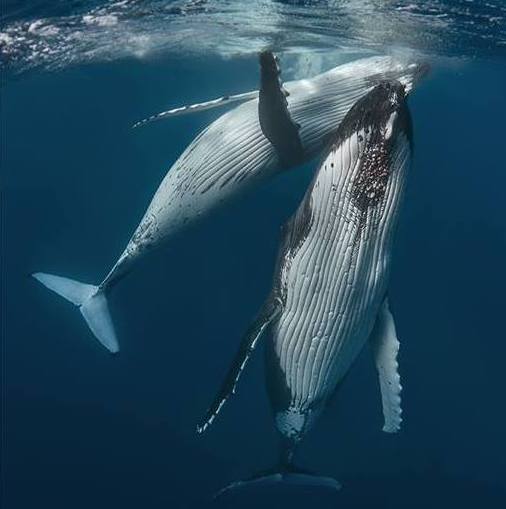
Whale species fascinate with their unique sizes and behaviors. The marine mammal par excellence, the blue whale impresses with its 30 meters and 180 tons, while the humpback whale amazes with its jumps and complex songs. The Bryde’s whale, sperm whale, beluga, right whale, minke whale, and even the orca enrich the diversity of whales observable across all oceans.
Comparative table of major whale species
| Species | Average size | Average weight | Characteristic |
|---|---|---|---|
| Blue whale | 30 m | 180 t | Largest living animal |
| Humpback whale | 15 m | 36 t | Acrobatic jumps and songs |
| Gray whale | 14 m | 36 t | Among the longest migrations |
| Beluga | 4 to 6 m | 1 to 1.5 t | White body, rounded head |
| Sperm whale | 16 m | 45 t | Impressive teeth, deep diver |
| Bryde’s whale | 13 m | 20 t | Found in warm waters |
| Minke whale | 10 m | 8 t | Small size, very agile |
| Orca | 9 m | 6 t | Largest dolphin, versatile predator |
The marine mammal whale is distinguished by its tail fin, powerful blowhole spout, and incredible adaptation to the sea. Sea turtles, porpoises, and some dolphins sometimes share their observation sites, creating unforgettable encounters in the ocean.
Complex song, spectacular breach, seasonal reproduction, each whale holds its secrets. Observing a humpback whale breach during migration or hearing a beluga song provides a rare emotion. A successful expedition site depends on precise knowledge of the species and its habits.
List of main whale species to observe
- Blue whale: the largest, present in all oceans
- Humpback whale: known for its songs and breaches
- Gray whale: impressive migrations
- Beluga: white color, living in the Arctic
- Sperm whale: deep diver, large teeth
- Bryde’s whale: warm and temperate waters
- Minke whale: smaller, often seen near the coasts
Where to watch whales and what are the best destinations in the world?
Prime observation spot, Quebec offers the Saguenay–Saint-Laurent marine park where whales, porpoises, and belugas coexist. Iceland, South Africa, and Réunion Island are among the must-visit expedition locations to admire spectacular marine mammals.
The Bay of Biscay in France allows sightings of fin whales, minke whales, and dolphins during sea outings with naturalist guides. Scotland and its Hebridean Whale Trail offer exceptional viewpoints from the coast, without a boat, for respectful observation.
In the Dominican Republic, Samana Bay welcomes thousands of humpback whales every winter. Johnstone Strait and offshore Vancouver in Canada are prime observation spots during the gray whale migration. South Africa and the Whale Route reveal the incredible diversity of ocean species.
List of top destinations to see whales
- Quebec: Saguenay–Saint-Laurent marine park
- Iceland: Husavik, boat excursions
- France: Bay of Biscay, sea outings
- Scotland: Hebridean Whale Trail
- Dominican Republic: Samana Bay
- South Africa: Whale Route
- Réunion Island: observation in the austral winter
- Canada: Vancouver, Johnstone Strait
What are the optimal periods to observe whales according to the regions?
Whale migration sets the rhythm for observation seasons. From June to September, Quebec and Iceland become prime observation spots. The austral winter, from June to October, favors encounters with humpback whales in Réunion and South Africa.
From January to April, Samana Bay in the Dominican Republic attracts humpback whales for reproduction in warm waters. Spring and summer see the gray whale migrate along the west coast of Canada, offering striking spectacles.
The species present vary depending on the period and the temperature of cold or warm waters. Excursions are planned according to the migration and feeding of the mammals, to maximize observation chances without disturbing marine life.
What behaviors to observe and how to practice responsible whale watching?
Admiring a spout of water shooting from a blowhole, following a fin cutting through the sea, listening to the song of a beluga, or watching a humpback whale breach provides an unforgettable emotion. Observation from the coast or by boat must respect distance, preserve calm, and limit impact on the whales.
Regulations govern approach distances, boat speeds, and behaviors to adopt in order to protect these mammals. Favoring outings accompanied by naturalist guides ensures respectful and enriching observation.
Raising public awareness about whale protection promotes the balance of ocean ecosystems. Each expedition site becomes a learning ground about migration, reproduction, and interactions between marine species, from the sperm whale to the dolphin, including the sea turtle and the porpoise.
How does a whale watching excursion at sea take place?
A whale watching excursion often begins with a briefing on the rules to follow at sea. Participants board a boat specially designed to limit impact on the marine ecosystem. Guides explain how to spot a spout, a fin, or a breach on the horizon. The atmosphere is electric at every appearance of a marine mammal at the surface, whether a humpback whale in full migration or a rorqual quietly gliding under the hull.
The duration of an outing varies depending on the destination and weather. Some companies offer thematic cruises focused on whale song or reproduction. The experience is enriched by the presence of naturalists who share captivating anecdotes about each species. Binoculars quickly become indispensable to admire dolphins, porpoises, and sometimes even a sea turtle swimming near the whales. Excitement rises a notch when spotting a blow or an unexpected breach.
Comparison of the main whale watching excursions
| Expedition Location | Species Observed | Ideal Period | Type of Vessel |
|---|---|---|---|
| Quebec (Saguenay–Saint-Laurent) | Blue whale, beluga, rorqual, porpoise | June to September | Semi-rigid boat or catamaran |
| Iceland (Husavik) | Humpback whale, minke whale, dolphin | May to September | Traditional boat or zodiac |
| South Africa (Whale Route) | Southern right whale, dolphin | June to November | Motorboat |
| Dominican Republic (Samana Bay) | Humpback whale | January to April | Catamaran |
| Canada (Vancouver) | Orca, gray whale, rorqual | May to October | Observation boat |
Signals to watch for to spot whales
A spout visible several hundred meters away often signals the presence of a whale at the surface. Guides learn to recognize the shape of the spout depending on the species: vertical for the rorqual, angled for the sperm whale. A ripple on the surface or a dark shadow can betray a fin or an imminent breach. Attention is also paid to dolphins, which sometimes precede whales during migration.
Recommended equipment for a sea outing
To maximize observation chances, it is advisable to bring binoculars, warm clothing, and a camera with zoom. A notebook allows recording the species encountered and behaviors observed. Guides often provide educational materials to better understand the migration and reproduction of marine mammals. Wearing a windbreaker and sunglasses protects against wind and sea spray in open water.
Rules to follow for respectful observation
Boats must keep a minimum distance from whales in order not to disturb their behavior. Engines are turned off during observation to maintain calm and avoid any stress to the mammals. It is forbidden to feed or touch the whales, even when they approach spontaneously. The outings take place with full respect for the wildlife and the ocean.
The differences between observation at sea and from the coast
Observation from the coast offers the possibility to spot whales without disturbing their environment. Some observation sites are equipped with platforms or marked trails overlooking the ocean. The experience differs from a boat trip but allows admiring the jumps and water spouts in a peaceful setting. Binoculars then become a valuable ally to scan the sea in search of a fin or a distant song.
- Plan clothing suitable for weather conditions
- Use binoculars to spot the mammals
- Respect the regulatory distances at sea
- Prefer excursions guided by naturalist guides
- Observe the animals’ behavior without disturbing them
Why does whale watching attract so many enthusiasts?
Whale watching captivates by the vastness of these mammals and the magic of their behaviors at sea. Each expedition site promises unique encounters with wild nature, from the majestic water spout to the synchronization of a collective jump. This immersive experience raises awareness of the fragile beauty of the ocean and invites preserving the diversity of marine species for future generations.
Essential FAQ to know everything before observing whales
Can whales be observed all year round and are there ’empty’ seasons?
Nature being as capricious as a whale deciding to dive just as you take out your camera, there are indeed periods less favorable for observation depending on the region. Migrations dictate the presence of the giants of the seas: outside of these passages, you need to arm yourself with patience, a good thermos, and a pinch of luck. Always check the ideal season before you go, at the risk of observing… only ripples.
Is whale watching accessible to children and people with reduced mobility?
Absolutely! Many excursions and observation points from the coast are designed to welcome little sailors as well as great explorers, regardless of their age or mobility. Some boats are equipped for wheelchairs, and coastal trails often offer adapted access. The thrill of a whale breach has no age or physical condition requirement – just a big smile and a taste for wonder are enough.