Progressing in safety and gaining confidence all year round is what many enthusiasts seek when faced with the frustration of cold seasons or the apprehension of unpredictable conditions. When the desire to maintain physical fitness and refine technique meets the constraints of climate or free time, training in a pool becomes a concrete solution, combining comfort and flexibility. This approach offers a tailored response to those who wish to progress at their own pace, without compromising on safety or quality of learning. In this context, it is about analyzing how pool practice structures progression, optimizes technical preparation, and facilitates access to certification, while adapting to each diver’s profile.
Why does pool diving training allow progress in every season?
Pool training guarantees a controlled environment, with heated water and a constant ambient temperature. This setting promotes steady progress and avoids the impact of external conditions such as wind, cold, or currents, making practice enjoyable all year round.
Sessions are organized according to your availability, often in the evening or on weekends, allowing flexibility adapted to professional or family constraints. The pool allows practicing at different depths safely, without fear of natural hazards.
The main advantages of the pool for progressing
- Access to variable and secure depth
- Sessions all year round without interruption
- Environment without currents or seasickness
- Learning facilitated by adapted pedagogy
- Comfort of heated facilities
What are the benefits for technique and safety during pool training?
Technique is worked on step by step thanks to progressive depth levels, promoting mastery of essential gestures. Exercises include immersion, mask clearing, equipment management, and buoyancy, essential for progressing safely.
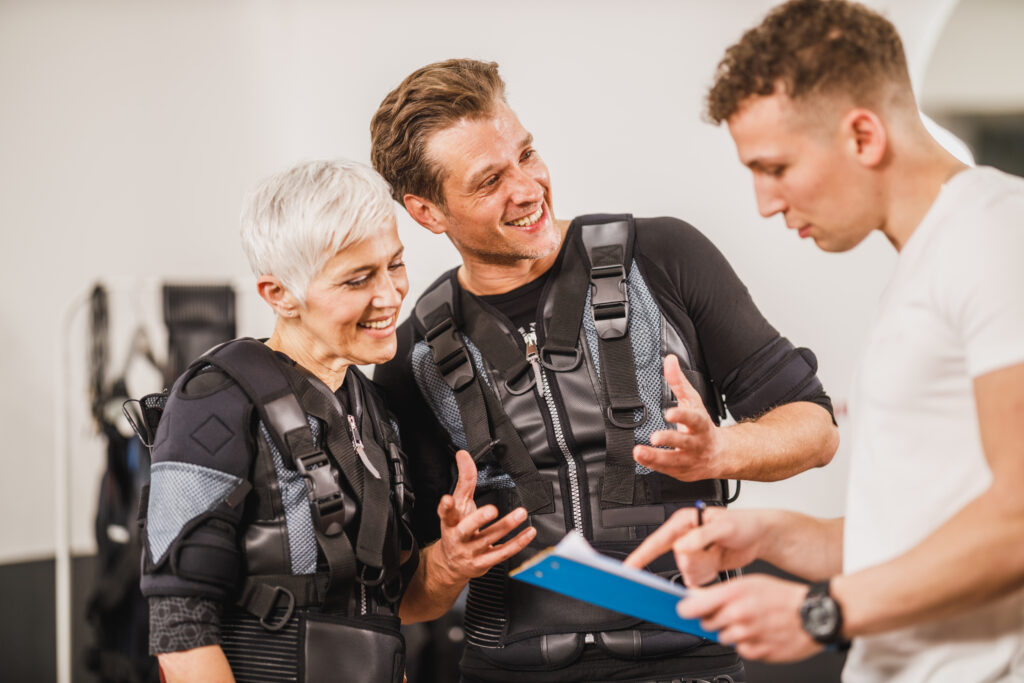
Supervision by experienced professionals allows personalized support, with courses in small groups. This individualized training optimizes learning and strengthens confidence before diving in natural environments.
Technical and safety advantages
- Improvement of breathing and stabilization technique
- Control of buoyancy in complete safety
- Repetition of exercises at will
- Simplified equipment management
- Prevention of immersion-related apprehensions
How does pool training optimize comfort and flexibility for beginners?
Modern facilities offer changing rooms, hot showers, and rest areas, ensuring optimal comfort during each session. The absence of weather constraints allows you to focus on practice and learning without stress.
The proximity of pits in many regions reduces logistical constraints and promotes organizational flexibility. Courses can be scheduled according to your agenda, making it easier to integrate training into daily life.
What equipment and services are included in a pit training course?
The equipment is provided and regularly maintained, including tanks, vests, weighting, and the possibility to rent or borrow wetsuits, fins, masks. This support reduces the initial cost and simplifies participation in the training.
The exercises offered are varied and fun: jumps, underwater courses, precision games, allowing improvement of physical condition, equipment mastery, and ease in the water, called aquacity.
Included services and equipment
- Complete equipment loan
- Supervision by professionals
- Changing rooms and hot showers
- Options for families or groups
- Exercises adapted to each level
How does pit training prepare for level 1 certification and natural environment diving?
Pit training allows validation of the technical part of level 1, with the possibility to carry out validation dives in the sea or lake later. This arrangement avoids mobilizing significant time or budget abroad, while maintaining mastery of essential skills.
Regular practice in a pit or pool during winter ensures the maintenance of physical condition and technique, effectively preparing for certification and the discovery of new dive sites with confidence.
When it opened, the Nemo33 pit in Brussels was the deepest in the world at 33 meters, allowing divers to safely initiate themselves to depth all year round.
Pit diving training allows you to train in controlled and comfortable conditions throughout the year, and to deepen your knowledge of advanced techniques, discover everything you need to know about trimix diving to expand your skills safely.
To discover how a pit diving training allows you to progress in any season and gain confidence, it is essential to learn about the specific advantages of this practice.
Who benefits most from pit diving training?
People who want to start diving find in the pit an ideal setting for a first immersion without external pressure. Professional supervision and permanent safety reassure and promote learning the basics at their own pace. This context is suitable for both adults and teenagers, with exercises adapted to each stage of the targeted level.
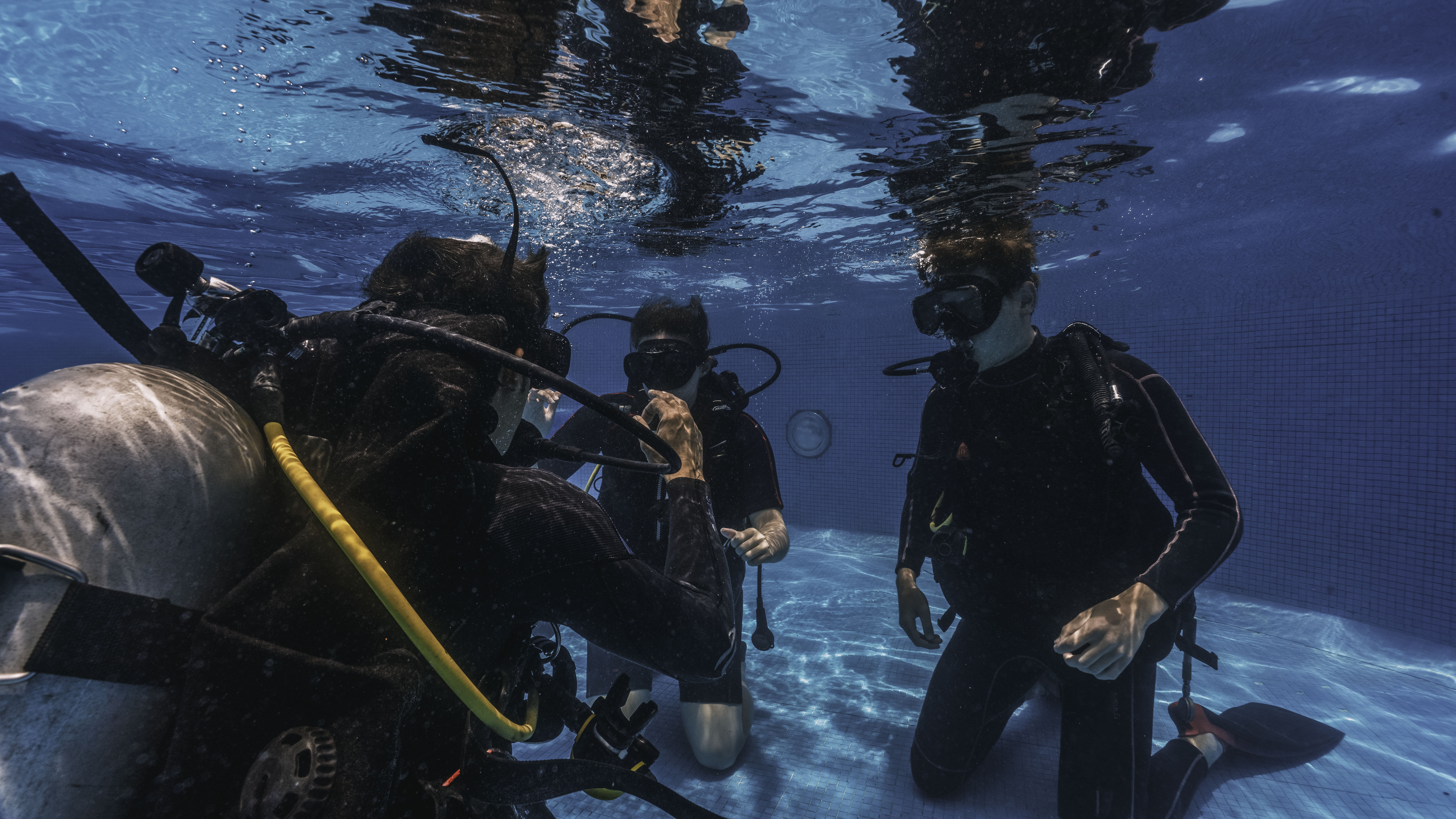
More experienced divers use pit training to perfect their technique and prepare for advanced certifications. The ability to repeat complex exercises, such as assistance or buoyancy control, allows them to achieve a high level of mastery. The flexibility of the sessions adjusts to busy schedules, making continuous progress possible.
Athletes or travel enthusiasts who wish to maintain their physical condition and stay ready for future adventures appreciate regular access to a structured aquatic environment. Pit practice ensures optimal preparation before exploring more demanding natural sites.
Impact on the progression of young divers
The pit offers a safe space where children and teenagers discover diving in a playful way. The exercises are designed to build confidence and autonomy while respecting depth limits appropriate for their age. This progressive teaching method promotes sustainable progress and better validation of skills.
Usefulness for clubs and groups of friends
Clubs and groups of friends benefit from pit training to organize group courses. Private sessions allow for creating group dynamics, exchanging techniques, and sharing practice. This collective approach facilitates progress and strengthens motivation.
- Personalized supervision for each profile
- Adaptation of exercises according to age and level
- Organization of collective or individual sessions
- Maintaining physical condition all year round
- Targeted preparation for specific certifications
How to choose your pit for diving training adapted to your goals
The choice of a pit depends on the available depth, the equipment offered, and the quality of supervision. Recent facilities often offer superior comfort, modern changing rooms, and relaxation areas, facilitating regular practice. Considering the location helps optimize session flexibility and limit travel.
The variety of exercises offered is an essential criterion. Some pits include underwater courses, play areas, or innovative educational modules. These facilities promote interactive and stimulating learning, adapted to all training levels.
Pricing varies according to included services: equipment rental, number of sessions, presence of certified supervision. Comparing offers helps identify the best value for money and adjust the overall cost to your expectations regarding certification or courses.
Selection criteria for beginners
For initial training, prioritize a pit offering enhanced educational support and optimal safety. Easy access, availability of time slots, and the possibility to rent equipment simplify organization and encourage progress from the first sessions.
Advantages of specialized pits for intensive training
Divers preparing for advanced certification or technical courses benefit from pits equipped with significant depths and specific modules. These facilities allow working on complex exercises, improving physical condition, and achieving a high level of immersion.
- Maximum depth of the pit
- Quality of supervision
- Availability of included equipment
- Geographical accessibility
- Variety of exercises offered
- Quality/price ratio of packages
Why training in a diving pit is an essential solution for progressing all year round
Choosing training in a diving pit allows for continuous progress, a safe environment, and great organizational flexibility. Thanks to varied exercises, suitable equipment, and professional support, each diver can achieve their certification or learning goals under the best conditions. This structured approach fosters confidence and effectively prepares for the discovery of new underwater horizons, regardless of the season.
“Learning to dive begins where comfort meets safety.”
FAQ for starting well and progressing through diving pit training
Can one overcome the fear of water or equipment during pit training?
The pit is a reassuring space where you progress at your own pace under the attentive supervision of professionals. Thanks to adapted exercises and stable conditions, you learn to master the equipment and move underwater without external pressure, which promotes the gradual disappearance of apprehensions related to immersion.
Is pit training sufficient to feel comfortable in natural environments during the first dives?
The experience gained in the pit provides solid foundations in technique and equipment management, as well as valuable aquatic ease. This preparation facilitates the transition to the sea or lake, allowing you to focus on discovering the new environment rather than mastering fundamental movements.