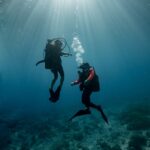
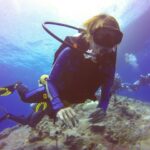
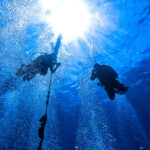
First steps underwater, unprecedented sensations and total safety: many dream of feeling the lightness of immersion and the magic of breathing differently, but hesitate due to risks or technical complexity. Thanks to the FFESSM level 1 training, it becomes possible to live this experience with full confidence, surrounded by passionate instructors and within a structured framework. This progressive path, combining supervised practice and theoretical learning, meets all expectations: mastering the equipment, understanding the rules, and mastering each step to access a new playground where every dive becomes an unforgettable memory.
What are the key steps of the FFESSM level 1 training to start diving?
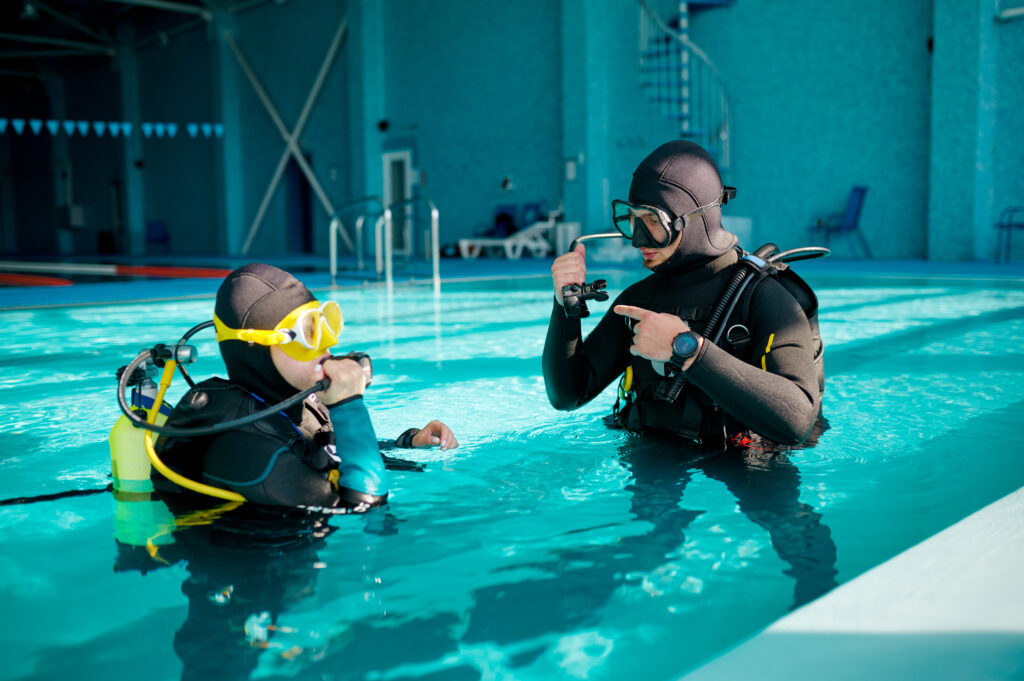
The FFESSM level 1 training structures the beginner’s diving journey around essential technical and theoretical steps. The main objective remains safety during each immersion, in the presence of a qualified supervisor. Each student learns to operate in different environments such as the pool, the sea, or a lake while respecting the environment and regulations.
The certification obtained attests to a complete initiation, covering both practical and theoretical training. Sessions are supervised by a certified instructor, ensuring mastery of basic skills, equipment use, and understanding of progression rules for each learning stage.
Comparison table of the steps and skills of the FFESSM level 1 training
| Step | Average duration | Supervision | Skill acquired |
|---|---|---|---|
| Pool initiation | 1 to 2 sessions | FFESSM instructor | Equipment mastery |
| Safety briefing | 15 minutes | Supervisor | Understanding of rules |
| Immersion in natural environment | 5 dives | Certified instructor | Progression to 20 meters |
| Theoretical training | 2 to 3 hours | Instructor | Knowledge of aquatic environment |
| Final validation | 1 session | FFESSM instructor | Certification obtained |
List of skills to acquire during the training
- Master the diving equipment
- Perform safety gestures during immersion
- Understand the marine environment and its risks
- Dive in a buddy group under supervision
- Apply current regulations
How does the practical and theoretical training for beginners take place?
Practical training takes place in natural or artificial environments, often in a pool for initiation, then in the sea or a lake. Under the supervision of an instructor, each beginner learns to manage their equipment, enter and exit the water safely, and communicate effectively with the supervisor.
The theoretical training covers equipment operation, respect for the aquatic environment, and diving-related regulations. This phase aims to ensure autonomous and responsible progression, essential before obtaining the diploma or certification.
What are the criteria to access the FFESSM level 1 training?
Access to the FFESSM level 1 training requires a minimum age of 12 years with parental authorization, or 14 years without additional formalities. A medical certificate of no contraindication to diving is mandatory to ensure the safety of each beginner.
The training takes place in approved facilities, under the responsibility of an FFESSM instructor. Registration allows benefiting from supervised initiation, complying with French and international regulations, and accessing a secure environment.
List of documents required for registration
- Medical certificate of no contraindication
- Parental authorization for minors
- Identity document
- FFESSM registration form
What are the advantages of the dual FFESSM and CMAS certification?
The FFESSM certification offers recognition in France and the CMAS certification extends validity to more than 100 countries. This dual certification allows you to dive with an instructor in any natural or artificial environment internationally.
Thanks to the comprehensive training, each beginner gains access to varied experiences, from lake to sea, while respecting the marine environment. Safety remains guaranteed by a progression adapted and validated by an instructor.
How to choose the club or structure suitable for your learning?
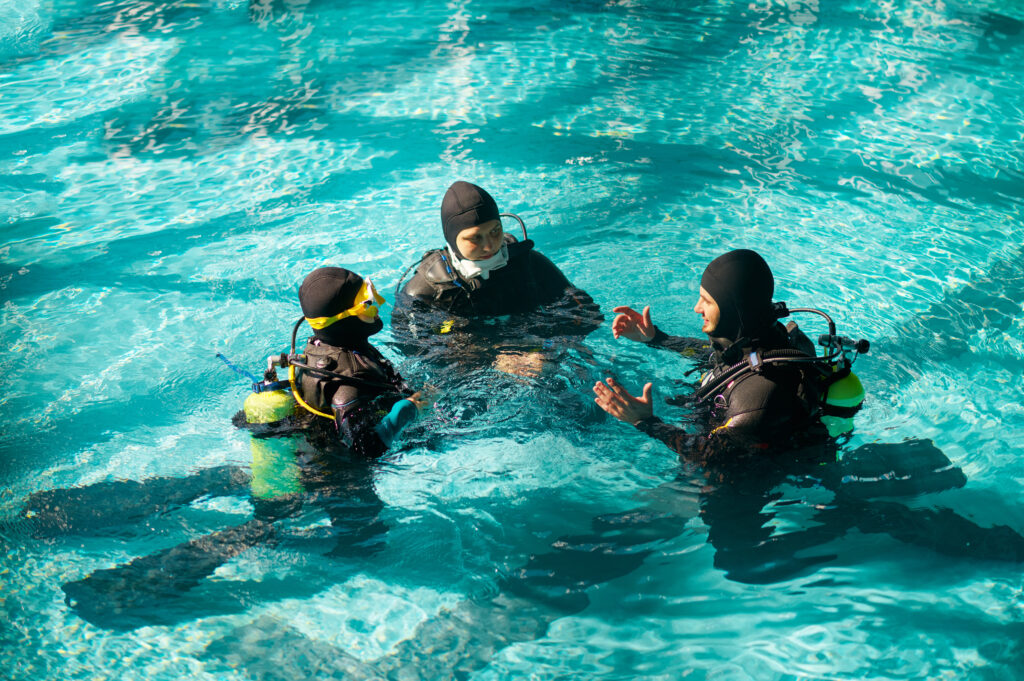
More than 2500 FFESSM clubs offer level 1 training, each providing specific features depending on the practice environment. It is advisable to prioritize a club with experienced instructors, recent equipment, and easy access to a natural environment or a swimming pool.
The training can adapt to different profiles: beginners seeking a gentle initiation in a pool, or enthusiasts wanting a quick immersion in the sea. The important thing remains the quality of supervision and compliance with regulations.
In 2023, more than 20,000 new divers obtained the FFESSM level 1 in France, across all environments.
The FFESSM level 1 training allows beginners to acquire the necessary basics to practice diving with confidence, and if you want to deepen your knowledge of advanced techniques, discover the specifics of technical diving through this article on discovering Trimix diving to broaden your underwater horizon.
If you want to learn more about the FFESSM level 1 training for beginners to practice diving safely, discover the options offered by Spotmydive.
What equipment is essential to successfully complete your first dive safely?
Safety preparation relies on choosing equipment suitable for level 1 diving. Using a serviced regulator, a buoyancy compensator, and a neoprene wetsuit ensures a comfortable immersion. Particular attention to the mask and fins facilitates discovering the aquatic environment without technical difficulty.
The equipment provided by the club generally includes a pressure gauge, a snorkel, appropriate weighting, and a dive computer. All these elements ensure safe progress under the supervision of an instructor. Every beginner learns to check the condition of their equipment before each dive to minimize any incidents.
Wearing thermal clothing and a safety vest provides protection against the cold and promotes buoyancy on the surface. Clubs often offer personalized advice to adjust the choice of equipment according to the season, the environment (sea, lake, or pool), and the morphology of each diver.
Comparative table of basic equipment for level 1 diving
| Equipment | Main use | Usage advice |
|---|---|---|
| Regulator | Breathing underwater | Check for leaks before each dive |
| Buoyancy compensator | Buoyancy control | Test inflation and deflation on dry land |
| Neoprene wetsuit | Thermal protection | Adjust thickness to water temperature |
| Mask | Underwater vision | Choose a model that fits the face well |
| Fins | Propulsion | Try different sizes to avoid chafing |
| Pressure gauge | Pressure monitoring | Regularly check air supply |
| Snorkel | Surface breathing | Use to save air from the tank |
| Weighting | Balance underwater | Adjust weight according to buoyancy |
Equipment specifics depending on the diving environment
The chosen environment influences the selection of equipment used during training. In a pool, a thin wetsuit is sufficient, while in a lake or sea, a thicker one is recommended to face lower temperatures. Adding accessories such as a hood or gloves is justified in a cold environment.
How to maintain and check your equipment before each dive
Thorough equipment checks before each dive optimize safety. Instructors raise students’ awareness about inspecting straps, checking the regulator, and examining the buoyancy compensator. Regular maintenance extends the equipment’s lifespan and prevents incidents on the surface or underwater.
- Try the complete equipment before the first dive
- Check the tank pressure and the proper functioning of the regulator
- Check the fit of the mask and fins
- Test the inflation of the buoyancy compensator
- Evaluate buoyancy with the weighting
Why is the FFESSM level 1 training ideal for a beginner wishing to discover diving with confidence?
The FFESSM level 1 training offers a structured framework for every beginner eager to start diving safely. Careful supervision, adapted teaching methods, and a variety of learning environments guarantee steady progress. Access to a recognized certification allows one to consider new underwater adventures with confidence and autonomy.
The discovery of the underwater world always begins with a first bubble shared in complete confidence.
Frequently asked questions to start diving well with FFESSM level 1 training
Can you start the FFESSM level 1 training without being able to swim perfectly?
A basic level of swimming is required, but it is not necessary to be an expert swimmer. You must be able to move a short distance on the surface and be comfortable in the water. Clubs support beginners to overcome any apprehensions and progress with confidence during the first supervised dives.
Does the FFESSM level 1 training allow you to travel and dive all over the world?
Thanks to the dual recognition by FFESSM and CMAS, the certificate obtained grants access to supervised diving in more than 100 countries. This international scope promotes varied experiences, whether in tropical waters, on Mediterranean wrecks, or in high-altitude lakes, all while respecting local regulations.
What advice to maximize pleasure and safety during the first dives after training?
Favor sites suitable for beginner level, surround yourself with experienced instructors, and never neglect equipment checks before each dive remain essential. Listening to your body, adapting to the group’s pace, and respecting the natural environment contribute to unforgettable moments without taking unnecessary risks.