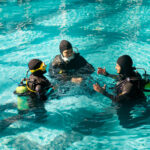
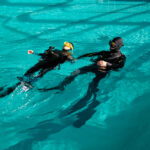
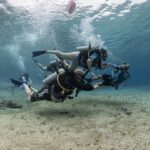
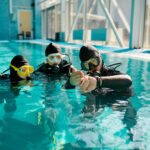
Changing perspective underwater means feeling the transition between the familiar safety of the pool and the intensity of an unpredictable natural environment. This stage often raises apprehension and excitement at the idea of facing real elements, where every detail counts to progress. Moving from the calm basin to varied depths reveals the true nature of diving and tests the preparation acquired. The challenge then lies in adapting to different fauna, visibility, and currents, while mastering equipment and reactions.
To successfully make this transition, it is important to approach training step by step: understand why this transition is necessary, know how dives in natural environments are organized, choose the right center, optimize preparation, and consider development prospects after certification.
Why does natural environment training follow pool training in the diving curriculum?
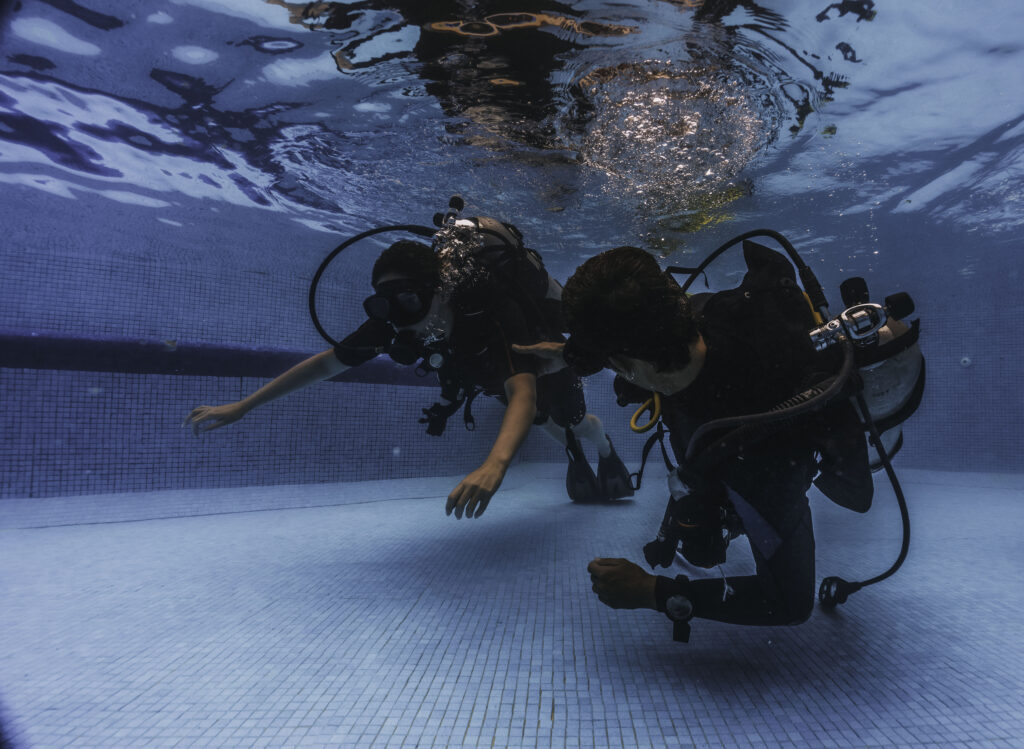
Training in a natural environment takes place after pool sessions to apply the techniques learned in a real setting. This stage allows one to understand the aquatic environment with its specificities such as visibility, currents, or fauna. Learning continues under the supervision of an instructor who ensures the diver’s safety and proper adaptation.
Transitioning to a marine environment offers a total immersion, very different from practicing in a protected setting. Divers discover the unique sensations of the underwater environment and strengthen their skills through practical exercises. Conditions vary, which requires adjusting the gestures learned in the pool.
The experience gained in the natural environment validates progression towards international certification. This stage confirms the ability to operate in real situations, essential for future exploration. Divers thus gain confidence and autonomy.
The three phases of the diving curriculum
- Development of knowledge online or on-site
- Practice in a protected environment (pool or lagoon)
- Dives in a natural environment to validate skills
How is the training organized and what are the certification modalities?
The Open Water Diver training consists of three parts: theory, pool practice, then dives in a natural environment. The theoretical learning is often done online via PADI eLearning® for maximum flexibility. This allows mastering diving principles, equipment, and safety rules.
Practice in a protected environment provides the opportunity to get used to the equipment and integrate fundamental techniques. The transition to a natural environment includes four dives, usually over two days, to a maximum depth of 18 meters. These sessions validate the ability to manage the real environment and correctly use the equipment.
Successful completion of exercises and the final evaluation allow obtaining a globally recognized certification. The PADI Open Water Diver, valid for life, authorizes autonomous diving with a buddy. In case of prolonged inactivity, a refresher program like PADI ReActivate™ ensures maintenance of skills.
The steps of PADI certification
- Registration and access to the eLearning® module
- Practical exercises in a pool or lagoon
- Four dives in a natural environment
- Final exam and validation of skills
- Obtaining the PADI eCard™ electronic card
What criteria should you compare to choose the right training center?
The choice of training center determines the quality of supervision and the success of the initiation. It is important to assess the reputation of the establishment, the competence of the instructors, and the condition of the equipment provided. Reviews from former students and affiliations with PADI or SSI offer additional guarantees.
The proximity of the site, the variety of natural environments offered, and the conditions of practice must be taken into account. Some centers require you to bring your own equipment while others provide or rent it. Transparency regarding prices and included services makes comparison easier.
A progressive learning process, attentive supervision, and adapted teaching methods promote progress and confidence. It is advisable to contact several centers, ask specific questions about the procedures, and visit the facilities before committing.
How to optimize your preparation and what prospects after certification?
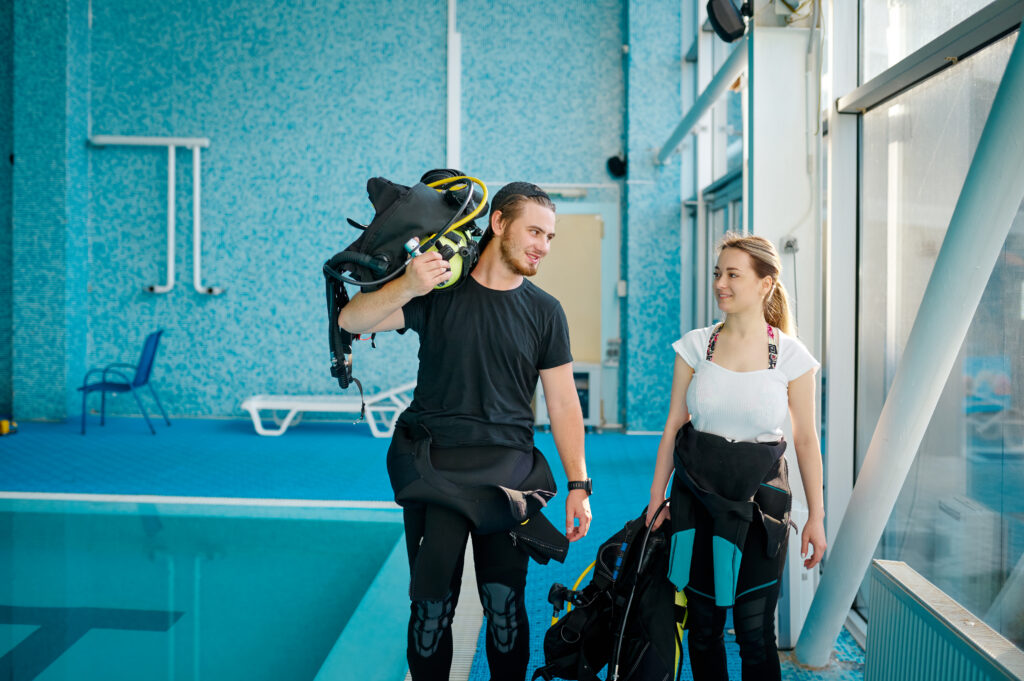
Physical and mental preparation optimizes the experience in a natural environment. Sufficient rest, regular hydration, and sports activities such as swimming strengthen endurance. It is recommended to ask all your questions to the instructor to anticipate situations and perfect mastery of techniques.
After certification, exploring new sites in a marine environment ensures continuous progress. Participating in guided dives, additional training, or specializations such as underwater photography enriches learning. Regular practice in a natural setting preserves the quality of acquired skills.
Advancement to higher levels requires accumulating experience, successfully completing specific exercises, and validating advanced knowledge. Continuing education opens access to more technical adventures or exploration of exceptional sites, always respecting safety rules and environmental preservation.
Practical tips to progress after certification
- Regular group outings: Maintain motivation and share experience
- Additional training: Deepen specific skills
- Use of a dive logbook: Track your progress and plan your dives
In Indonesia, some clubs offer training in a marine environment on a coral reef, allowing observation of turtle hatchlings from the very first dive.
Diving training in a natural environment is the essential step after the pool for a successful certification because choosing an appropriate diving course guarantees a rewarding and safe experience.
What are the specific challenges of diving in a natural environment?
Diving in a natural environment exposes one to unpredictable parameters, such as water temperature, changing visibility, or the presence of currents. These elements, absent in a pool, require constant adaptation and increased attention to safety. Equipment must be checked before each dive to ensure the smooth running of the activity.
The protected environment does not allow encountering the diversity of fauna and flora, nor confronting the reality of natural sites. Training in an underwater environment develops the ability to anticipate and manage unexpected situations, essential for exploration and progression to advanced levels.
Understanding the impact of the site on progression
Each environment presents unique characteristics that influence learning. Rocky, sandy, or coral sites require different techniques for stabilization and buoyancy control. Adapting to these specificities accelerates skill development and promotes autonomy.
Role of supervision during the first dives
Experienced supervision guides beginners through the stages of initiation in a natural environment. Instructors observe reactions, correct movements, and reassure in case of doubt. Their presence guarantees safe progression and better integration of good practices.
Choosing the right equipment for the targeted environment
The choice of equipment depends on the type of natural environment explored. A suit adapted to the temperature, a comfortable mask, and appropriate fins enhance the quality of the experience. Well-maintained gear limits incidents and optimizes the practice.
Advantages of training in a protected environment before real immersion
Pool training effectively prepares for the transition to the aquatic environment. Repeated exercises in calm water facilitate memorization of gestures and stress management. This progressive step reduces apprehension during the first immersions in natural sites.
- Observe the local fauna to enrich the experience
- Vary the sites to broaden skills
- Familiarize yourself with underwater communication signals
- Take the weather into account when planning each outing
How does diving in a natural environment transform the diver’s experience?
Discovering the underwater environment outside the pool brings an unmatched immersive and sensory dimension. Facing natural elements, encountering marine life, and managing equipment in real conditions strengthen self-confidence and autonomy. This step marks the beginning of an authentic exploration, where each dive becomes a source of learning and wonder.
“The sea is a space of rigor and freedom.” – Victor Hugo
Frequently asked questions about natural environment diving training
How to manage stress during the first immersions in a natural environment?
Adapting to the underwater environment can cause apprehension, even after pool training. Taking the time to breathe slowly, relying on the supportive presence of the instructor, and doing relaxation exercises before entering the water help approach each dive with more serenity. Experience shows that regular practice and listening to one’s feelings accelerate gaining confidence.
What mistakes should be avoided to succeed in your first sea dive?
It is important not to neglect equipment checks, to avoid rushing when entering the water, and to always follow the instructor’s safety instructions. Staying hydrated, focusing on buoyancy, and communicating with your buddy prevent most incidents. Learning also happens by observing your own reactions to a changing environment.
Can you choose the site for your first dives in a natural environment?
Some centers offer the possibility to select the site based on weather conditions, type of fauna, or desired depth. Discussing your expectations and any apprehensions with your instructor helps guide this choice for progressive learning. Exploring different environments from the start encourages rapid progression and rich discoveries.
After acquiring the basics in a pool, it is advisable to continue your learning in a natural environment and to deepen your knowledge of the different specialties, discover the world of Trimix diving which opens new perspectives for your training journey.