Dreaming of an international career where each day brings memorable encounters, breathtaking underwater landscapes, and intense human experiences means choosing a passionate profession that combines adventure, teaching, and respect for the environment. In the face of the growth of mass tourism, it becomes essential to train rigorously to ensure safety, quality teaching, and authenticity of exchanges. This guide offers a structured path, practical advice, and keys to transform your passion into a recognized profession, while preserving the richness of marine ecosystems and developing inspiring leadership.
How is the path to becoming a certified diving instructor or guide structured?
The path to becoming a certified instructor or guide begins with obtaining a certification recognized by organizations such as PADI, SSI, CMAS, or NAUI. This first step involves mastering basic technical skills and a commitment to safety and the environment. The initial training generally consists of an advanced diver certification, followed by additional modules to deepen freshwater and sea diving skills.
Professional training continues with theoretical and practical courses covering equipment management, dive planning, and pedagogy applied to teaching. Emphasis is placed on progressing underwater communication skills and the ability to convey knowledge clearly. Regular practice and participation in fully immersive internships are essential to validate experience.
Passing the final exam, which includes practical and theoretical tests, allows obtaining the professional certification and access to various opportunities in the global diving environment. Each stage of the path aims to strengthen safety, technical mastery, and the future instructor’s leadership.
Key stages of the professional path
- Obtaining the advanced diver certification
- Additional technical and pedagogical modules
- Supervised practice in varied conditions
- Training in risk management and safety
- Assistant internship with an experienced instructor
- Final exam for professional certification
What criteria should be compared when choosing a professional diving training?
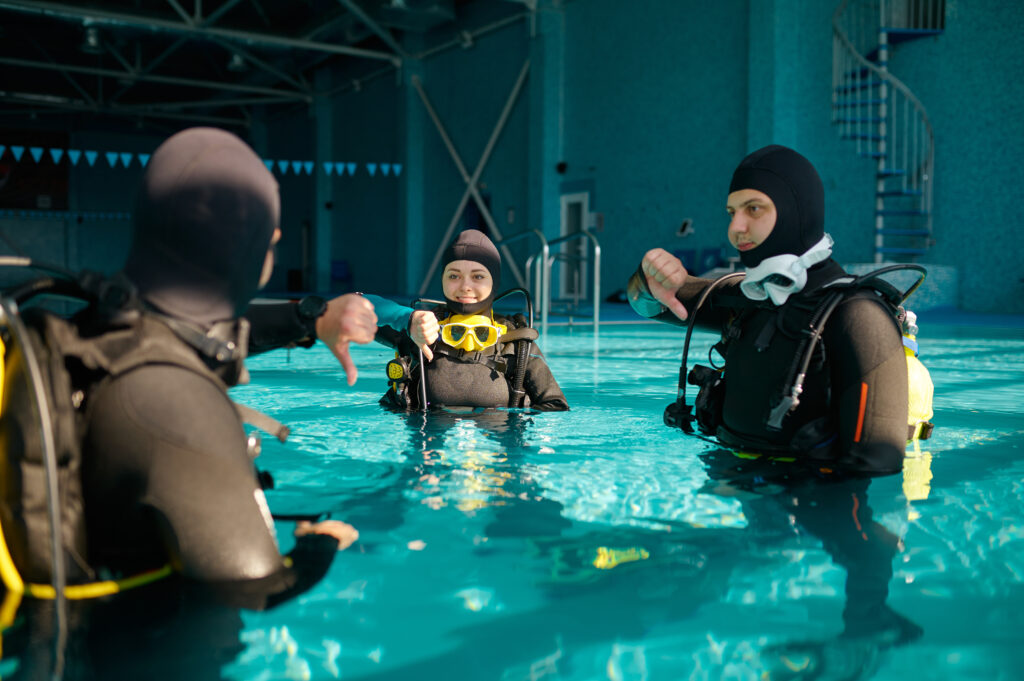
The choice of professional diving training is based on several essential criteria, notably recognition by accredited organizations and the quality of instructors. It is important to evaluate the center’s reputation, the diversity of offered modules, and the focus on safety and respect for the marine environment. Employment prospects after certification also play a decisive role in the selection.
Comparing costs, duration of the program, and specialization options helps identify the program best suited to your goals. Seeking advice from former participants and consulting reliable testimonials fosters confident progress. Access to digital resources and a network of professionals is an asset to enrich the training.
A quality training program includes practical internships, communication modules, and personalized support to develop leadership. The choice of the center must ensure the acquisition of solid skills and the enhancement of experience in the international market.
Criteria to check when selecting a training center
- Recognition by international organizations
- Reputation and experience of trainers
- Quality of infrastructure and equipment
- Specialization modules offered
- Employment prospects after certification
- Access to an active professional network
What technical and pedagogical skills are developed during the training?
Professional training aims at acquiring advanced technical diving skills, including mastery of equipment, emergency management, and underwater navigation. Understanding decompression procedures and the ability to teach these techniques safely are central elements of the instruction.
The pedagogical aspect emphasizes teaching methods, clear communication, and the ability to motivate student progress. Practical experience as an assistant instructor develops leadership and group management, preparing one to supervise different profiles of divers.
Specialized modules allow deepening knowledge in areas such as deep diving specialization, underwater photography, or marine environment conservation. These skills broaden career opportunities and enhance the added value of the future instructor.
What career prospects and developments are there after instructor or guide certification?
After certification, professional opportunities are numerous in varied environments, from tropical waters to wrecks and lakes. Specialization in fields such as technical diving, group leadership, or environmental conservation offers significant career advancement prospects.
Geographical mobility allows working internationally and accessing roles in supervision, advanced training, or coordination of marine environment preservation projects. Developing a solid professional network through participation in events and membership in associations increases experience opportunities.
Continuing education and regular practice in real situations strengthen group management, effective communication, and leadership. Investing in pedagogy and raising awareness about environmental preservation contributes to professional recognition and personal fulfillment.
A certified instructor has guided over 600 dives on the Great Barrier Reef without ever damaging the marine environment thanks to exemplary practice and rigorous pedagogy.
For those wishing to advance in the diving sector, discover our professional diving training program to become a certified instructor or guide and access an international career.
How does specialization influence the professional diving career path?
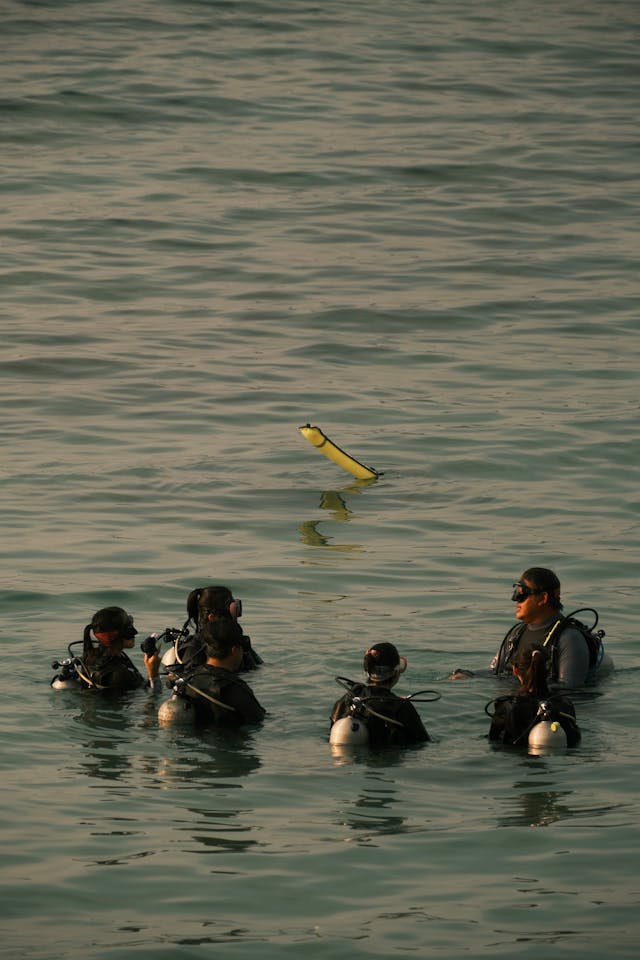
Specialization allows access to specific sectors of diving such as deep diving, wreck diving, or underwater photography. Acquiring advanced skills in these areas promotes recognition in the job market and enriches professional experience. Following training dedicated to specialization offers unique opportunities to evolve in varied environments and meet the specific needs of divers.
Specialization comes with increased mastery of techniques and constant adaptation to innovations in safety and group management. Specialized instructors play a key role in preserving the marine environment and transmitting responsible practices. Focusing on a specialty strengthens leadership and the ability to offer tailor-made experiences to divers seeking unique discoveries.
Additional certifications to broaden opportunities
Obtaining additional certifications such as nitrox diving, cave diving, or adaptive diving opens new professional opportunities. These trainings enhance versatility and strengthen safety during specific missions. They also allow integration into specialist networks and increase visibility on the international market.
The importance of equipment management and logistics
Mastering equipment management, from maintenance to regular checks, ensures diver safety and quality of services. Efficient logistics optimize the preparation of outings, management of unforeseen events, and client satisfaction. This skill becomes a major asset in professional diving organizations.
Intercultural communication in an international context
Working abroad involves adapting to varied cultures and communicating appropriately with international audiences. Developing this skill promotes integration into multicultural teams and client loyalty. Understanding the specific expectations of each diver contributes to service excellence.
The role of leadership in group supervision
Leadership is expressed through the ability to motivate, manage complex situations, and make quick decisions. Good supervision reassures divers and creates a climate of trust conducive to discovery and learning. Developing this interpersonal skill is essential to progress towards positions of responsibility in professional diving.
- Acquisition of specialized certifications
- Mastery of logistical management
- Development of intercultural communication
- Strengthening leadership and group management
Why choose professional diving training to turn your passion into a career?
Opting for professional diving training allows you to turn a passion into a rewarding career, access exceptional environments, and experience unique human encounters. By developing skills in safety, pedagogy, and leadership, each future certified instructor or guide opens up to varied professional opportunities and actively contributes to the preservation of the marine environment. Specialization, logistical management, and intercultural communication become essential levers to build a sustainable and recognized career in the diving sector.
“Diving is immersing oneself in a world where every encounter becomes a learning experience.”
Frequently Asked Questions about Professional Diving Training
How to mentally prepare for the transition to an international diving career?
Adapting to a new professional life abroad requires open-mindedness, curiosity, and resilience. Immersing oneself in diverse cultures, accepting the variety of practices and environments, while developing real flexibility, allows one to thrive fully in this sector. Talking with professionals already established internationally can also provide valuable insight into the challenges and rewards of this transition.
What are the benefits of professional diving for the preservation of the marine environment?
Professional training raises awareness of ecological issues and encourages the adoption of responsible practices underwater. As an instructor or guide, passing on these values to divers and participating in local initiatives promotes the active preservation of marine ecosystems. This places each professional at the heart of a positive movement for the future of the oceans, while enhancing their commitment on both a personal and professional level.
Training in professional diving to become a certified instructor or guide opens many international opportunities and also allows discovery of advanced specialties such as trimix diving which enrich the path of future underwater experts.