Do you feel the call of underwater adventure, that unique thrill from the very first contact with the water and the promise of an extraordinary sensory journey? The pursuit of autonomy and safety in aquatic environments attracts many enthusiasts, but the complexity of the procedures, fear of the unknown, or choosing the right center can hold back the momentum. Thanks to the PADI Open Water training, each step of the journey is designed to offer structured progression, personalized support, and a recognized certification that opens the door to unforgettable experiences. Throughout this text, discover how to take this first step, understand the selection criteria, benefit from supervised initiation, and prepare the ground for future specializations while respecting the marine environment.
What are the key steps of the PADI Open Water training?
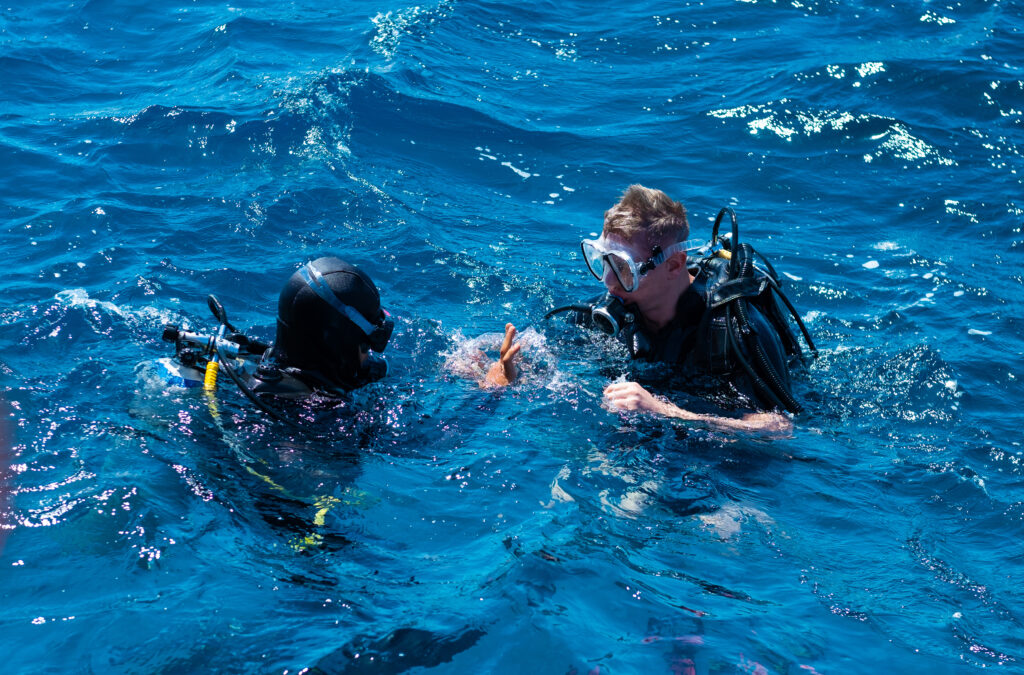
The PADI Open Water diving training takes place in several phases to ensure structured and safe progression. From registration, each student diver discovers the theoretical training through an eLearning module, then proceeds with practical training in the presence of a qualified instructor. The scuba diving training consists of seven dives spread over four days or one week, alternating between open water, confined water, and artificial environment training. This approach allows for the gradual acquisition of safety, technique, and autonomy basics during diving.
Each practical training session begins with pool initiation to master fundamental skills before moving on to diving in the sea or lake. Validated skills include equipment management, underwater communication, and reaction to unforeseen events. At the end of the course, a final exam validates the PADI Open Water certification, opening the way to autonomous diving worldwide.
Comparison of the Open Water training modules
| Module | Duration | Environment | Objective |
|---|---|---|---|
| Theory eLearning | 4 to 6 hours | Online | Understanding basic principles |
| Confined water | 2 sessions | Pool | Mastery of technical skills |
| Open water | 4 to 5 dives | Sea or lake | Application of techniques in real conditions |
| Final exam | 1 session | Dive center | Validation of acquired skills |
| Certification | Immediate after success | Everywhere | Obtaining the PADI Open Water certification |
Key points to understand the progression
- Theoretical module accessible online
- First immersions in the pool
- Transition to sea or lake dives
- Final exam for certification
What is the content of the training and who is it for?
The PADI Open Water scuba diving training is aimed at adults from 15 years old and young people from 10 years old with the junior version. This course includes equipment rental, civil liability insurance, opening of the eLearning account, and the diving logbook. The training takes place under the supervision of a certified instructor, ensuring the safety and progress of the future diver. A medical certificate of no contraindication to diving is required, as well as parental authorization for minors.
The program offers an alternation between confined environment training (pool) and natural environment training (sea, lake) in order to allow a progressive adaptation to different environments. The focus is on technique, equipment management, and knowledge of the marine environment, for an immersive and enriching experience.
Criteria to access the Open Water training
- Minimum age 10 years (junior) or 15 years (adult)
- Recent medical certificate
- Parental authorization for minors
- Willingness to discover recreational diving
- Aptitude to swim and immerse oneself
What are the advantages of the PADI Open Water certification?
Obtaining the PADI Open Water certification allows you to dive anywhere in the world, under the supervision of an instructor, up to 18 meters deep. This international certification facilitates access to recreational diving during trips or professional stays. It also serves as the foundation to access higher levels, such as Advanced Open Water or technical diving.
Holders of this certification benefit from universal recognition, which simplifies equipment rental, registration for outings, and integration into guided or autonomous diving groups. This training opens the door to varied experiences, from sport diving to snorkeling, including advanced courses.
How does the training take place in an accredited center and what are the costs?
The PADI Open Water diving training takes place in accredited centers, notably in Banyuls-sur-Mer, with supervision provided by experienced instructors. The total price of 595 euros includes all services: theoretical training, practical training, equipment rental, insurance, logbook, and final certification. The program is designed to guarantee maximum safety and progression adapted to each participant.
The flexibility of the course allows you to choose between a local immersion or an experience abroad, according to your wishes and availability. Many centers also offer complementary options, such as scuba diving, pool diving, or initiation modules to the marine environment, to enrich your overall experience.
What specializations and progressions are available after the Open Water training?
After the Open Water training, it is possible to continue with advanced modules such as Advanced Open Water, Rescue Diver, Divemaster, or technical trainings such as Nitrox or rebreather. These specializations allow you to extend your skills and explore new aspects of recreational or professional diving. Video workshops, marine ecology training, or freediving offer a variety of experiences to meet all passions.
Progression towards full autonomous diving is done step by step, each level guaranteeing increased mastery of safety and techniques. Each new certification obtained expands the possibilities for exploration and initiation into new environments, respecting marine environment rules and diver safety.
Curious sea turtles sometimes come to observe students during their first sea dive in Banyuls-sur-Mer.
PADI Open Water training is the first step towards autonomy in scuba diving recognized worldwide, discover how to take a certified scuba diving course to start your aquatic adventure safely.
How to choose the PADI Open Water training center suited to your needs?
The choice of a training center directly influences the quality of the experience and the progression towards autonomy in diving. Choosing a PADI-approved establishment guarantees high standards in terms of safety, supervision, and equipment. Centers often display their success rates, instructor availability, and the variety of sites for training in natural environments.
Analyzing the practical training methods allows anticipating the diversity of dives offered. Some centers emphasize sea diving, others favor pool or lake diving. The presence of options such as scuba diving or technical diving can enrich the future diver’s path.
Reception, teaching methods, and group size impact learning. A small group favors personalized training and better assimilation of safety and technical concepts. Comparing reviews, meeting instructors, and visiting facilities help make an informed choice for a successful initiation.
Comparison of PADI Open Water training centers in France
| Center | Location | Type of environment | Number of instructors |
|---|---|---|---|
| Blue Océan | Nice | Mediterranean Sea | 5 |
| Atlantis Plongée | Bordeaux | Lake & pool | 3 |
| Côte Bleue Sub | Marseille | Mediterranean Sea | 7 |
| Plongée Passion | Banyuls-sur-Mer | Sea & artificial environment | 4 |
| Évasion Subaquatique | Lyon | Pool & lake | 2 |
The role of the instructor in the diver’s progression
The instructor accompanies each step of the training and adapts the exercises according to the initiation level and the abilities of each student. Their ability to establish a climate of safety and trust allows approaching the first dives calmly. The instructor’s experience enriches the understanding of the specifics of recreational and autonomous diving.
Criteria to prioritize for optimal learning
A center offering varied natural environment training, recent equipment, and an experienced teaching team provides a conducive framework for experience and progression. The availability of equipment, clarity of explanations, and the ability to personalize practical training are major assets to ensure certification success.
- Verify the PADI approval of the center
- Check reviews from former trainees
- Favor the diversity of diving sites
- Meet the teaching team
- Compare the equipment offered
- Evaluate the group sizes
Why is the PADI Open Water training ideal for starting diving?
The PADI Open Water diving course offers a structured, accessible, and progressive approach to learning scuba diving. The modules alternate between theoretical training and practical training, promoting a quick assimilation of the basics of safety and essential techniques. This curriculum is designed for all profiles, even without prior experience.
The variety of dives in confined and natural environments allows adaptation to different settings, from artificial pools to sea diving, for a complete experience. The constant support of the instructor ensures confident progress, facilitating access to autonomy at the end of the training.
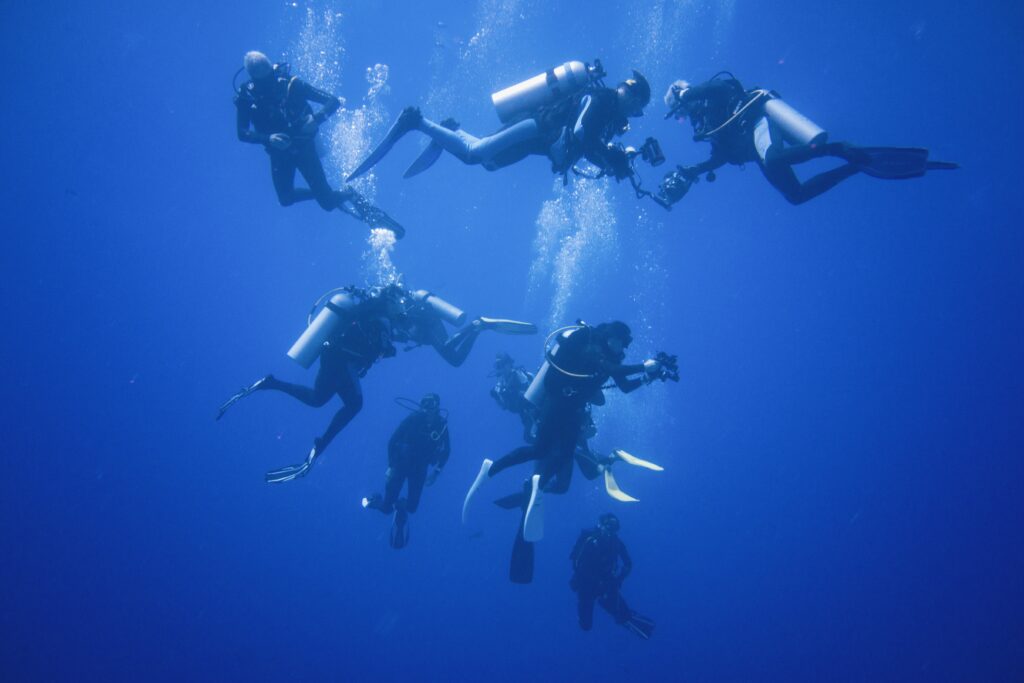
This certification serves as a recognized passport for recreational diving internationally. It opens the way to many specializations and the discovery of new sites, allowing you to fully live the passion for diving and explore the richness of the marine environment.
The discovery of the underwater world always begins with a first breath underwater.
Frequently Asked Questions about the PADI Open Water Course
Can I take the PADI Open Water course if I don’t speak English?
Many centers offer the course and educational materials in French, as well as French-speaking instructors. You just need to check the availability of instruction in your language at the time of registration to enjoy an optimal learning experience.
What if I am afraid of water or not an experienced swimmer?
The PADI Open Water course is designed to support beginners at every stage. The first pool sessions help build confidence and learn the basics at your own pace, under the careful supervision of the instructor. A minimal swimming ability is required, but it is not necessary to be an experienced swimmer to start.
Is it possible to complete the Open Water course during a trip abroad?
The PADI Open Water certification is recognized worldwide and can be obtained in most destinations known for diving. You can start your course in France and finish abroad or choose to complete the entire training during a stay, making sure to select a PADI-certified center to ensure the quality and validity of the diploma.