Mastering underwater emergency management transforms the experience of every diving enthusiast into a safer and more confident adventure. When faced with the unexpected, the fear of not knowing how to react can quickly set in, even for the most seasoned divers. Having traveled to over 50 countries and met divers from around the world, I have often observed that true serenity underwater relies on solid reflexes and rigorous preparation.
Too many divers still underestimate the impact of training focused on collective safety and risk prevention. If you aspire to strengthen your confidence, protect your teammates, and progress to a higher level, the Rescue Diver training offers a structured approach: understanding expectations, mastering rescue techniques, avoiding common pitfalls, and sustainably integrating the right reflexes to handle every situation.
Why choose Rescue Diver training to advance in scuba diving?
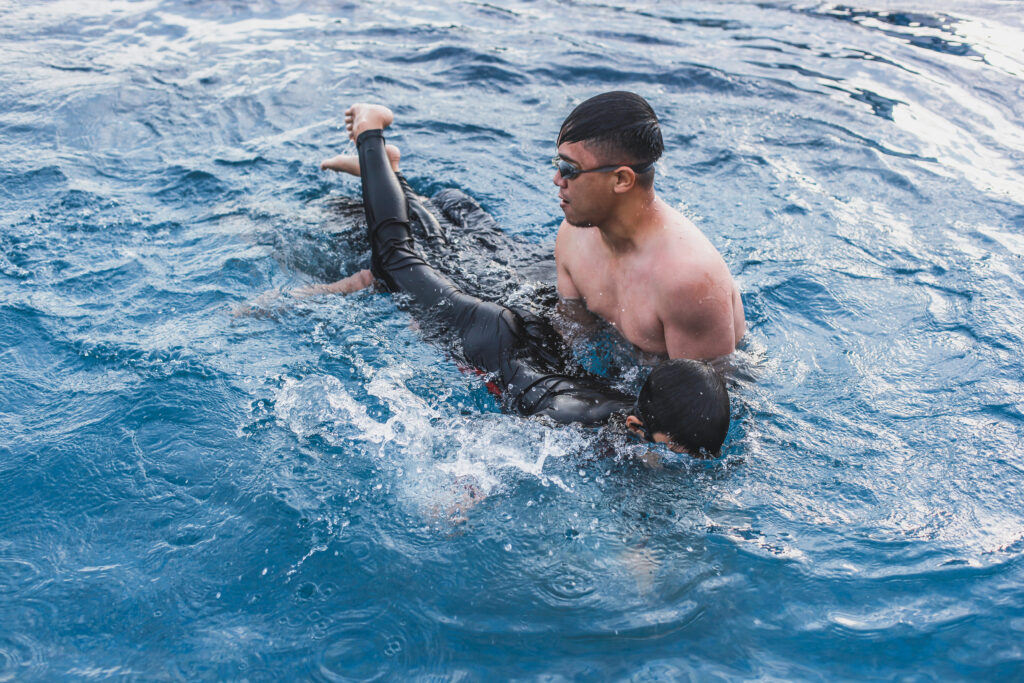
Rescue Diver training stands out as a benchmark for any diver keen to enhance their safety and acquire concrete skills for intervention during scuba diving incidents. Accessible from the age of twelve with prior experience, this structured course allows exploration of the essential aspects of assistance and emergency management, while promoting a proactive approach to risk prevention.
The training is organized over three days, alternating theoretical sessions, pool exercises, and practical open water diving scenarios. Learners discover rescue and first aid techniques to intervene effectively in critical situations, while building their confidence through guidance from experienced instructors.
Comparison of the main Rescue Diver training centers
| Training Center | Location | Water Temperature | Highlights |
|---|---|---|---|
| Scuba World Divers Egypt | Red Sea, Egypt | 29 °C | Expert supervision, coral reefs, stable climate |
| Blue Ocean Dive | South of France | 24 °C | Proximity, site diversity, French-speaking pedagogy |
| Coral Reef Academy | Maldives | 28 °C | Tropical immersion, diverse fauna, personalized sessions |
| Atlantis Plongée | Guadeloupe | 27 °C | Friendly atmosphere, easy access, intensive training |
List of key benefits of Rescue Diver training
- Enhanced rescue skills adapted to scuba diving
- Acquisition of stress management and risk prevention techniques
- Development of confidence in emergency intervention
- International recognition of certification
- Facilitated access to advanced levels of diving training
What are the prerequisites and the course of the Rescue Diver training?
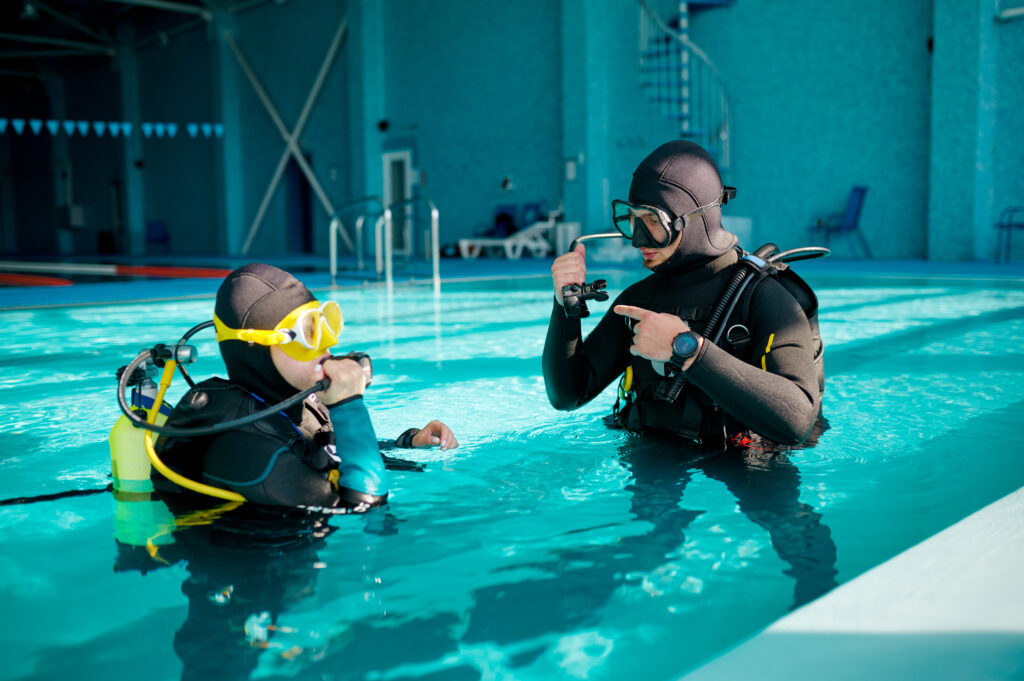
The Rescue Diver training requires an Adventure Diver or AOWD certification, scuba diving experience, and recent EFR training to ensure mastery of first aid. The minimum age set at twelve allows for a variety of profiles, from motivated teenagers to adults wishing to broaden their skills.
The course is based on alternating theoretical preparation, exercises in a controlled environment, and realistic scenarios in open water. The goal: to train divers in managing emergency situations and self-rescue, while promoting responsibility and risk assessment during each dive.
The Steps of the Rescue Diver Pathway
- Review of knowledge and theoretical preparation with digital materials
- Stress management exercises and risk assessment in the pool
- Practice of self-rescue and intervention on a fatigued diver
- Scenario of problem-solving in open water diving
- Final validation of techniques and certification issuance
How Does the Rescue Diver Training Develop Emergency Management Skills?
The Rescue Diver training stands out for its immersive approach, focused on managing emergency situations and proactive risk prevention. Divers learn to recognize signs of stress, anticipate incidents, and implement effective rescue techniques.
Certified instructors place participants in varied scenarios, simulating emergency interventions such as searching for missing divers, managing a decompression accident, or administering oxygen. This pedagogy fosters confidence and ingrains essential reflexes to ensure diving safety.
What Complementary Tools and Services Facilitate Training Success?
The Rescue Diver training is accompanied by digital resources, mobile applications, and eLearning programs, facilitating preparation beforehand and review of key safety training concepts. Some centers offer discounts on digital educational materials, up to 20%, to optimize value for money.
Complementary services such as dive insurance, trip booking, or professional equipment sales allow approaching rescue training with peace of mind. Personalized supervision and post-training follow-up guarantee a rewarding and lasting experience for each diver.
How Does the Rescue Diver Certification Enhance Collective Safety in Diving?
Obtaining the Rescue Diver certification confers a key role in diving safety by enabling anticipation and effective management of emergency situations. This international recognition opens access to increased responsibilities and advanced levels of diving training.
The Rescue Diver training is also a mandatory step for those wishing to become instructors, group leaders, or simply strengthen their confidence during underwater explorations. The skills acquired contribute to risk prevention and solidarity among divers.
During an exercise in the Red Sea, a participant was able to put self-rescue into practice by quickly bringing a disoriented teammate to the surface, illustrating the tangible impact of the Rescue Diver training.
The rescue diver training allows mastering the management of underwater emergencies and enhancing safety.
What are the mistakes to avoid during Rescue Diver training?
Neglecting preparation before each session can limit the effectiveness of Rescue Diver training. A thorough review of protocols and rescue techniques optimizes the assimilation of essential actions. Consulting educational materials and regularly practicing emergency management helps to establish reliable reflexes and anticipate unforeseen events.
Underestimating the importance of communication during exercises can compromise the success of the intervention. Clear exchanges with the buddy and the supervising team ensure optimal safety during open water diving scenarios. The rapid transmission of information promotes coordination of actions and the success of rescue missions.
Omitting the assessment of risks specific to each dive site can expose one to unexpected difficulties. Taking the time to analyze the environment, weather, and depth of the area allows adapting prevention measures and optimizing diving safety. Constant vigilance regarding external factors strengthens the ability to act effectively in case of emergency.
Table of common mistakes and associated solutions
| Common Mistake | Consequence | Recommended Solution |
|---|---|---|
| Lack of theoretical preparation | Inappropriate reactions in critical situations | Review modules before each session |
| Insufficient communication | Difficulty coordinating during rescue | Establish clear signals with the buddy |
| Failure to assess local risks | Surprise when facing unexpected dangers | Systematically analyze the site before immersion |
| Forgetting safety equipment | Delayed or ineffective intervention | Check equipment before each dive |
| Neglected stress management | Loss of control during emergency | Practice relaxation exercises |
The importance of regular practice after certification
Maintaining operational skills requires regular practice even after training. Participating in rescue exercises and intervention scenarios in a club strengthens knowledge and allows staying effective in any situation. This continuous training dynamic develops confidence and ease during group dives.
How to choose the center suited to your diver profile?
The choice of training center depends on the level of experience, expectations, and the preferred type of diving. Favoring experienced supervision, personalized follow-up, and sites adapted to risk management promotes optimal progression. Comparing offers, feedback, and additional services ensures a relevant and lasting choice.
- Plan a review session before each dive
- Exchange safety signals with the buddy
- Analyze the site and weather conditions
- Check the condition of safety equipment
- Participate in collective rescue exercises
How does Rescue Diver training fit into a responsible diver’s journey?
The Rescue Diver training establishes itself as a structuring step for any diver wishing to engage in a process of responsibility and prevention. It broadens the range of skills and prepares for taking initiative during emergency situations. Choosing this course means developing an attentive eye for collective and individual safety, while opening up to the richness of scuba diving with complete peace of mind.
Self-control underwater transforms every dive into a safe and shared adventure.
FAQ on Rescue Diver training: practical advice and key points
Is the Rescue Diver training suitable for people anxious in aquatic environments?
Thanks to progressive supervision, the Rescue Diver training allows participants to better understand their reactions to stress underwater. The exercises are designed to strengthen confidence and learn to manage stress, which helps anxious divers acquire reassuring reflexes and progress calmly during dives.
Can the Rescue Diver training be taken in exotic destinations while benefiting from personalized support?
Many centers in tropical destinations offer individualized support, even in small groups. You thus benefit from adapted teaching methods, modern materials, and a learning pace respectful of your experience, while enjoying exceptional sites to enrich your practical journey.
How to integrate Rescue Diver skills into the daily life of an amateur diver?
The skills developed during the training naturally apply to every outing. You will be able to analyze risks before the dive, communicate effectively with your buddy, and intervene quickly if needed. This vigilance transforms every recreational dive into a safer experience, beneficial for you and your group.