Experiencing the sensation of underwater freedom despite a disability attracts those who dream of escape and full inclusion. The adapted training offers maximum safety, unforgettable encounters, and personalized progress, while respecting regulations and valuing every skill. Thanks to trained instructors, custom equipment, and caring supervision, it becomes possible to live an experience where autonomy and sharing transform the vision of travel. This unique journey, combining technical adaptation and psychological support, meets the quest for accessibility and authenticity for every enthusiast.
How does disability diving training take place in France?
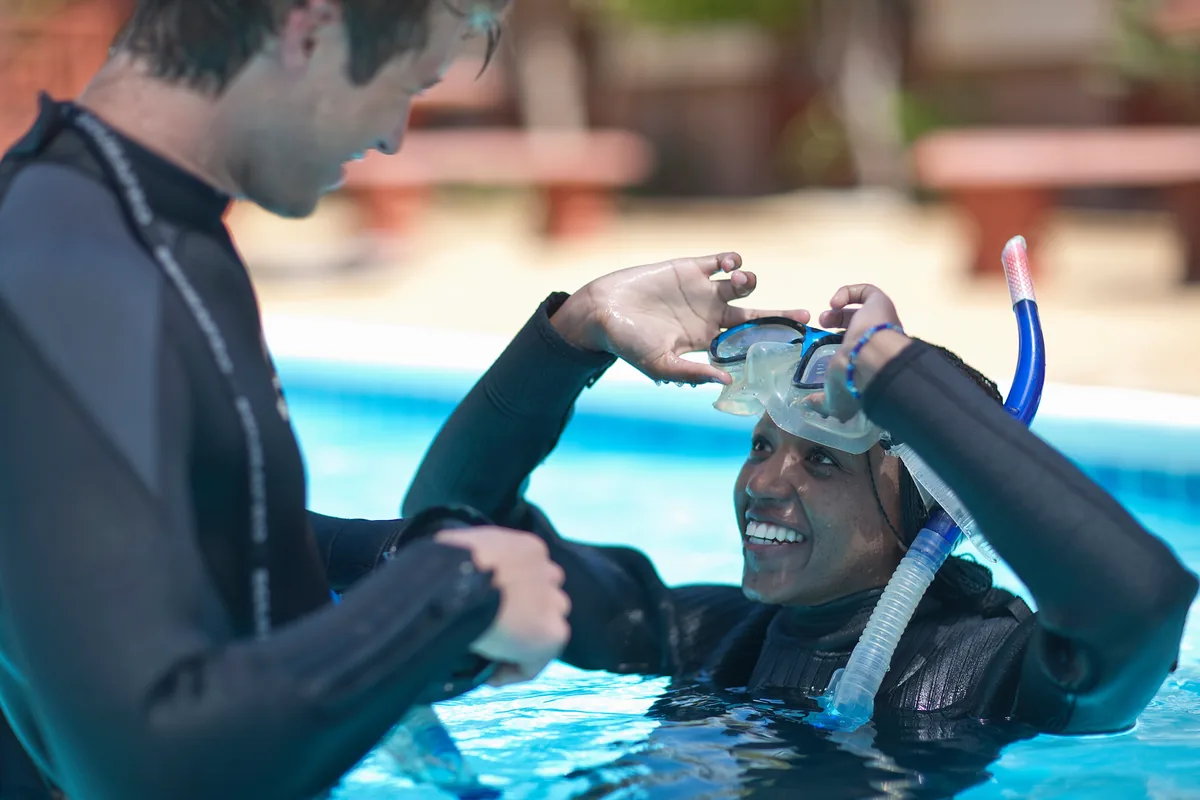
Disability diving training supports people with disabilities from the age of 8 to practice diving safely. This program is structured by precise levels, adapted to each profile, and is based on recognized federal standards.
Participants benefit from attentive supervision provided by specialized instructors, with short courses lasting from two to five days depending on the chosen level. The qualification of the disabled diver is based on their personal skills and not on the nature of the disability.
Regulations require presenting a medical certificate issued by a specialist doctor, validating the ability to dive in a group. The goal is to ensure optimal adaptation and maximum safety during each adapted dive.
Main training levels and access
- EH1°: dive with an instructor up to 6 meters deep
- EH2°: supervise all types of disabilities up to 20 meters
- Trainer for instructors: accessible from levels E3 and E4
- Additional module: awareness of mental or psychological disabilities
- Accessible from 8 years old
What are the qualification and evaluation criteria for disabled divers and instructors?
Qualification is based on the assessment of the diver’s skills, regardless of the type of disability. Evaluation takes place during practical courses, where safety and technique adaptation are priorities.
Instructors and supervisors undergo continuous training to ensure their skills remain up to date. Specific modules address support for audiences with particular needs, thus strengthening participants’ autonomy and progress.
The partnership between federations, clubs, and health professionals ensures appropriate assistance, proper use of equipment, and optimal inclusion in underwater practice.
Evaluation and progression elements
- Observation of technical and behavioral skills
- Validation of achievements during courses
- Compliance with regulations and safety protocols
- Ability to dive in a group with adaptation
- Regular medical follow-up via medical certificate
What assistance and adaptation devices exist to supervise and practice diving for people with disabilities?
The training includes awareness of adapting equipment and techniques to meet the specific needs of each diver with a disability. This assistance ensures the safety and comfort of all participants.
Certified clubs organize discovery and advanced courses focused on inclusion and accessibility, adapting supervision and practice according to profiles. Each adapted dive is designed to offer a rewarding and safe experience.
Adaptation techniques vary depending on the type of disability and the qualification level, with tailored solutions to promote autonomy and progress for each diver.
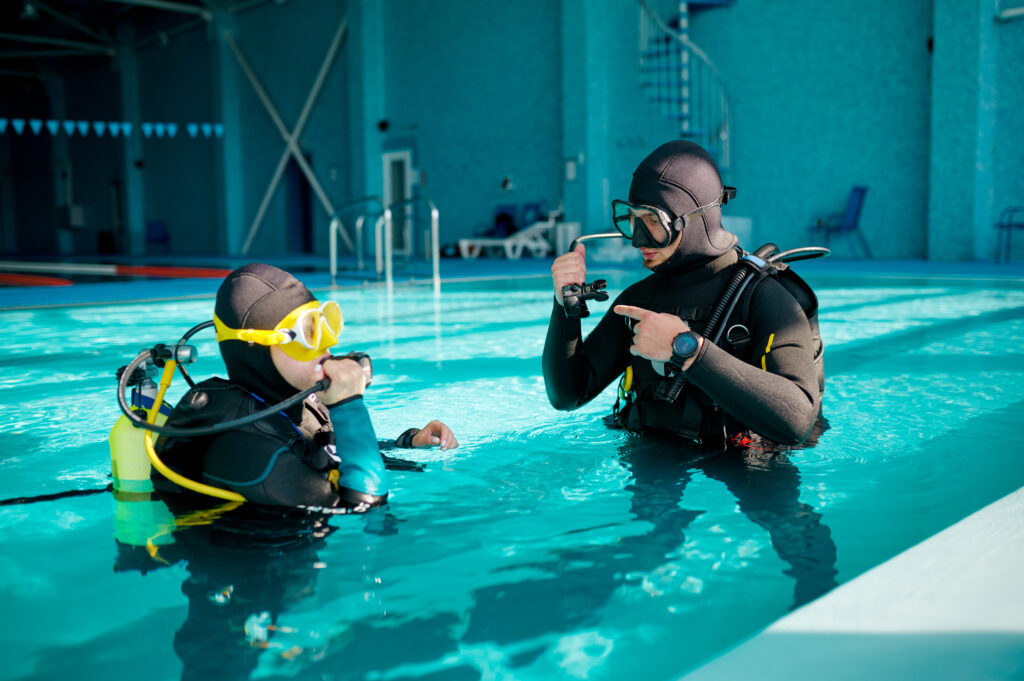
Assistance and Adaptation Devices
- Personalized assistance provided by trained supervisors
- Use of equipment adapted to each type of disability
- Organization of advanced and discovery courses
- Implementation of practice in a secure buddy team
- Access to complementary modules for better awareness
How does the regulation supervise the practice of diving for people with disabilities and ensure safety?
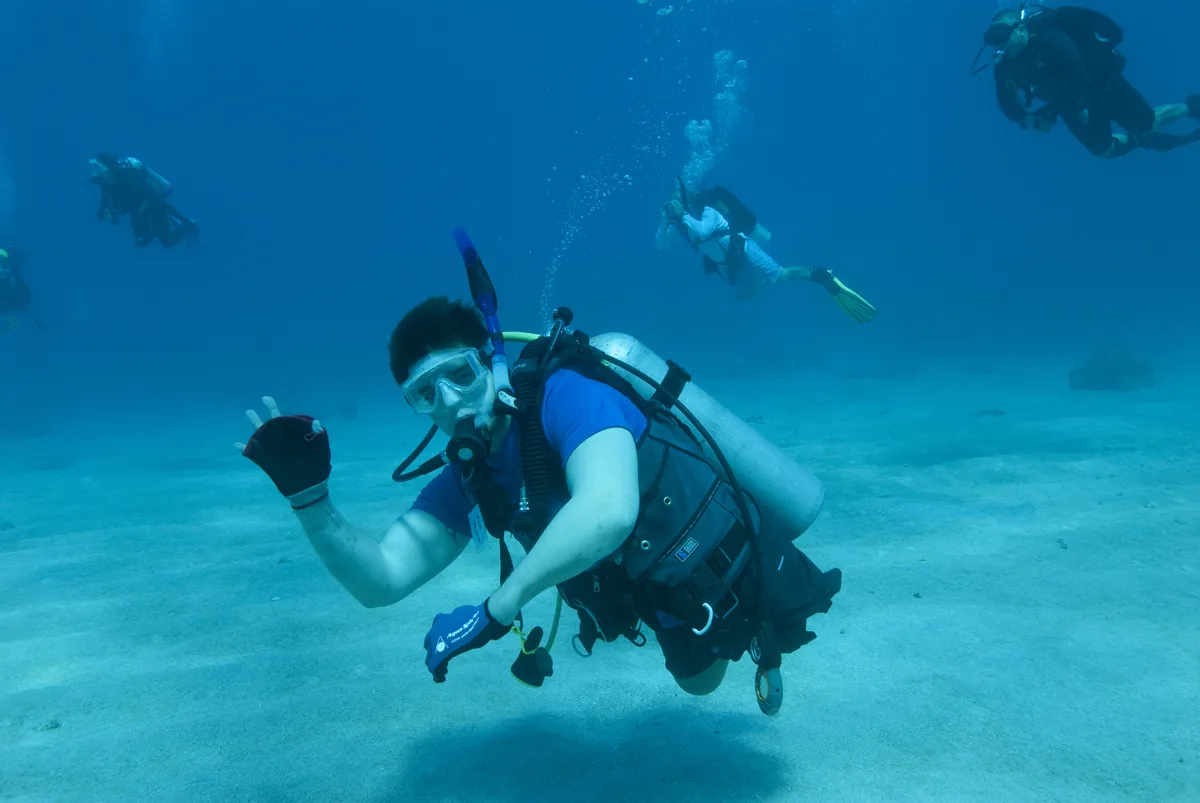
French regulations precisely define access conditions, the necessity of a medical certificate, and the organization of practice for people with disabilities. The texts guarantee optimal safety and constant adaptation of protocols.
Instructors, supervisors, and divers adhere to a precise legal framework, available in the FFESSM Technical Training Manual. This regulation requires supervised progression and systematic inclusion in each course or module.
Each partnership between federations, clubs, and doctors helps develop accessibility and the growth of adapted diving, while ensuring safety and respect for the rights of each participant.
During a training session on the Mediterranean coast, a buddy team composed of able-bodied and disabled divers reached together the 20-meter drop-off thanks to a tailored technical adaptation, illustrating the strength of partnership and shared progress.
To discover how to acquire the necessary skills to supervise or practice diving with a disability safely and independently, it is essential to choose suitable training.
How to choose the right club or center for adapted diving training?
The choice of a specialized club is based on the qualification of the teams, the variety of modules offered, and the adaptation of the facilities. A recognized center demonstrates experience in adapted diving and offers equipment that meets specific needs. The presence of certified instructors ensures optimal supervision, essential for total safety during each session.
Awareness of inclusion and the ability to customize techniques according to each disability are determining criteria. A club committed to the development of adapted diving promotes the progress of divers and their autonomy. It is advisable to consult the reviews of other practitioners to validate the quality of supervision and the accessibility of the facilities.
Administrative procedures to start adapted diving
Registration for training requires the presentation of a specific medical certificate, issued by an authorized doctor. This document certifies the ability to practice diving safely and specifies any restrictions. Clubs generally assist the candidate in these procedures to ensure full accessibility.
The importance of the environment and the diving site
The choice of site influences the quality of practice and ease of adaptation. A calm marine environment, easy water entry, and a well-organized dive group contribute to a positive experience. Clubs select areas conducive to progress and safety for all divers.
The role of specific equipment in adapted diving
Adapted equipment plays a central role in adapted diving. Equipment designed to compensate for certain physical limitations ensures the diver’s comfort and safety. Recent innovations allow increased accessibility and better autonomy underwater.
Psychological support and mental preparation
Awareness of stress management and mental preparation is an integral part of the training. Trained instructors support divers in discovering the underwater environment, fostering confidence and inclusion within the dive group. This psychological support optimizes progress and the overall experience.
- Verification of the club’s certification
- Assessment of the accessibility of the premises
- Preliminary interview with the lead instructor
- Testing of adapted equipment before the first dive
- Consultation of feedback from other adapted divers
Why does adapted diving transform the vision of travel and inclusion?
Adapted diving opens new horizons, promoting meeting and sharing among divers of all profiles. Inclusion and accessibility become concrete realities thanks to the commitment of clubs and the constant adaptation of techniques. This unique experience permanently changes the perception of disability and values individual progress within a close-knit dive group.
“The sea does not judge; it welcomes every diver with the same promise of freedom.”
FAQ: Your questions about adapted diving and accessible underwater experience
Can I practice adaptive diving if I have no prior diving experience?
You can start adaptive diving without previous experience, thanks to introductory courses designed for beginners. Specialized instructors tailor each step of the process, ensuring progressive and safe learning, regardless of your starting level or disability.
How is logistics organized during an adaptive diving trip abroad?
Preparing an international adaptive diving trip involves coordination between local clubs, transport providers, and adapted accommodations. Some centers offer personalized support upon arrival, facilitating access to specific equipment and ensuring an immersive experience that is both calm and enriching in environments sometimes very different from those offered in France.
If you wish to deepen your knowledge about specific adaptations in diving for people with disabilities, discover how the use of adapted gas mixtures, as presented in the Trimix diving discovery course, can contribute to a more comfortable and safe practice for all divers.