
Swimming with dolphins is a dream for both young and old, but the search for an authentic experience often raises questions about wildlife respect and environmental protection. Between strict regulations, destination choices, and selection of responsible operators, it is not always easy to navigate without risking disturbing these marine mammals.
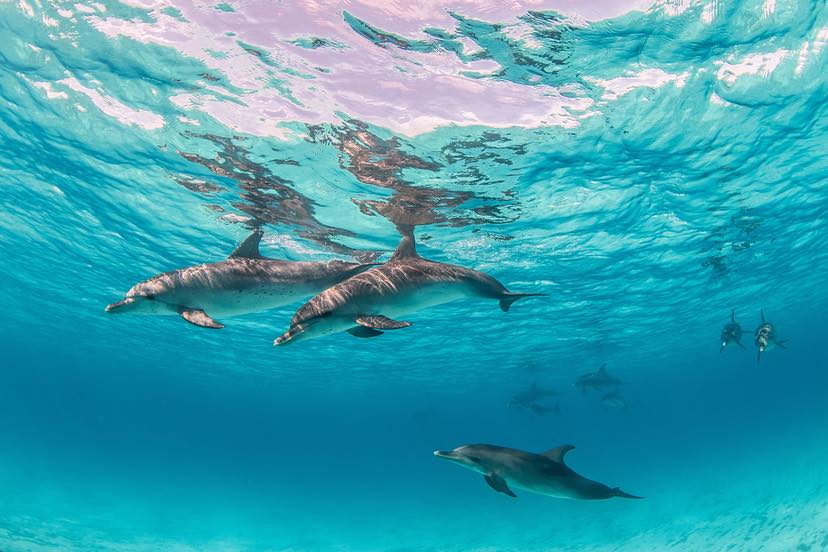
This exciting journey holds wonderful surprises for those wishing to experience an ethical encounter and preserve the magic of nature: practical advice, ideal periods, best practices, and tips for choosing the best immersion will be at the heart of this adventure, to combine emotion and respect at every step.
Here is the top 10 destinations for 2025 to swim with dolphins, based on the latest recommendations and guides:
| Rank | Destination | Country/Region | Highlights |
|---|---|---|---|
| 1 | Bimini | Bahamas | Spotted dolphins, bottlenose, spinner; crystal-clear waters; guaranteed encounters year-round Family destinations guide+11Bucket List Travels+11Sharks Info+11 |
| 2 | Azores | Portugal | 17 species present, responsible supervision |
| 3 | Oahu (Hawaii) | United States | Acrobatic spinner dolphins; eco-guided excursions |
| 4 | The Red Sea (Sataya, Egypt) | Egypt | Spinner, bottlenose, Risso; protected reefs |
| 5 | Mauritius | Mauritius Island | Bottlenose/spinner by catamaran, guided visits |
| 6 | Kaikōura | New Zealand | Hector’s dolphins, kayak/boat |
| 7 | Socorro | Mexico | Liveaboard expeditions for large dolphins |
| 8 | Port Stephens | Australia | Sea observation adventure, benevolent ancestry |
| 9 | Kangaroo Island | Australia | Trips to swim with wild bottlenose dolphins |
| 10 | Dolphin Bay (Panama) | Panama | Kayak observation, gentle immersion |
1. Swimming with dolphins in Bimini, Bahamas
Bimini is one of the most iconic destinations to swim with wild dolphins, especially Atlantic spotted dolphins. The waters are shallow, crystal clear, and encounters are frequent. Excursions are organized ethically, with true respect for the animals’ natural behavior.
2. Swimming with dolphins in the Azores, Portugal
The Azores are a natural sanctuary for dolphins and cetaceans, with more than 17 species observable. Outings are strictly supervised by professionals to guarantee respectful conditions. You can swim in open sea in a preserved environment between May and October.
3. Swimming with Dolphins in Oahu, Hawaii
In Oahu, spinner dolphins are often seen near the shores at sunrise. Responsible cruises allow you to observe or swim with them without disturbing them. Local legislation imposes minimum distances for their well-being.
4. Swimming with Dolphins in Sataya, Egypt (Red Sea)
The Sataya reef, also called “Dolphin House,” is a protected bay frequented by spinner dolphins. The calm and clear waters provide an ideal immersion, often in small groups. Local providers follow strict rules to minimize ecological impact.
5. Swimming with Dolphins in Mauritius
On the west coast of Mauritius, it is possible to encounter bottlenose dolphins and spinner dolphins all year round. Early morning catamaran outings offer magical moments, but be sure to choose committed operators. Regulations tend to strengthen the protection of cetaceans.
6. Swimming with Dolphins in Kaikōura, New Zealand
Kaikōura is a prime location for marine wildlife observation in New Zealand, notably with Hector’s dolphins, a rare species. Outings are done by boat or kayak, with deep respect for the animals. The marine biodiversity there is exceptional.
7. Swimming with Dolphins in Socorro, Mexico
Socorro Island is a wilder and more remote destination, reserved for experienced divers. Encounters with large dolphins are impressive, often in open sea during “liveaboard” cruises. The environment is pristine, far from mass tourism.
8. Swimming with Dolphins in Port Stephens, Australia
A few hours from Sydney, Port Stephens is an accessible spot to observe and swim with wild dolphins. Local operators offer gentle boat outings, sometimes accompanied by biologists. Observation takes place in quiet bays where dolphins come to play.
9. Swimming with Dolphins in Kangaroo Island, Australia
This preserved island is a natural paradise to observe wild bottlenose dolphins. Excursions are few but very high quality, often in small groups. Kangaroo Island allows a discreet, respectful, and immersive approach.
10. Swimming with Dolphins in Dolphin Bay, Panama
Dolphin Bay, in the Bocas del Toro archipelago, is a protected lagoon where several dolphin families live. It is possible to approach them discreetly by kayak or slow motorboat. The calm and shallow waters allow a gentle immersion, away from crowds.
Where to experience an authentic encounter with dolphins in respect of nature
Fascinating behavior, untouched nature, absolute respect, there are many sites to swim with or observe dolphins. Marine mammals frequent the sea and ocean all year round, but each region offers a different observation depending on local legislation. Regulations vary greatly from one country to another to ensure the protection of wildlife and marine life.
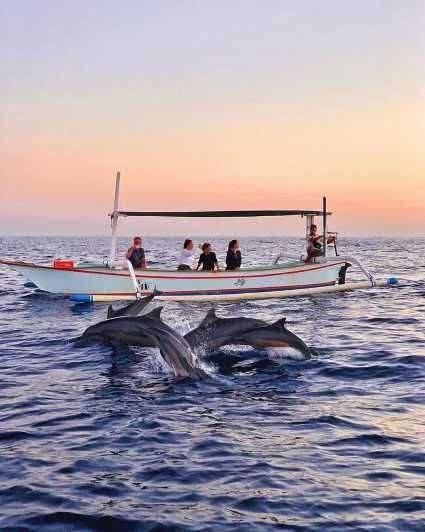
Table of destinations to swim with or observe dolphins
| Destination | Ideal period | Species observed | Type of experience |
|---|---|---|---|
| Bahamas | All year round | Spotted dolphin, bottlenose dolphin | Swimming and observation |
| Red Sea (Egypt) | October to May | Bottlenose dolphin, long-beaked dolphin | Responsible observation |
| Azores | May to September | Common dolphin, pilot whale | Swimming in limited groups |
| Hawaii | April to September | Long-beaked dolphin, spotted dolphin | Distance observation |
| Australia (Port Stephens) | November to April | Bottlenose dolphin | Swimming supervised by biologists |
| South Africa | May to July | Dolphins, whales | Sardine Run, diving |
| France (French Riviera) | May to October | Bottlenose dolphin | Certified observation |
| French West Indies | December to April | Spotted dolphin, bottlenose dolphin | Responsible observation |
Successful observation depends on the choice of destination, the behavior of cetaceans, and compliance with regulations. Responsible excursions prioritize biodiversity protection and environmental conservation.
Marine animals like dolphins live freely in their natural habitat. A respectful approach and responsible observation promote a unique experience without disturbing marine life.
List of key regions for a responsible experience
- Bahamas: Swimming with bottlenose and spotted dolphins
- Red Sea: Observation with specialists, ethical stays
- Azores: Limited swimming, scientific observation
- Australia: Excursions supervised by biologists
- South Africa: Diving during the Sardine Run
- France: Certified observation on the French Riviera, Brittany
What rules and legislation govern swimming with dolphins worldwide?
Legislation is evolving to preserve dolphins and their natural habitat. Several countries prohibit direct swimming to limit impacts on cetacean behavior. The rules aim to guarantee the protection of marine animals and their environment.
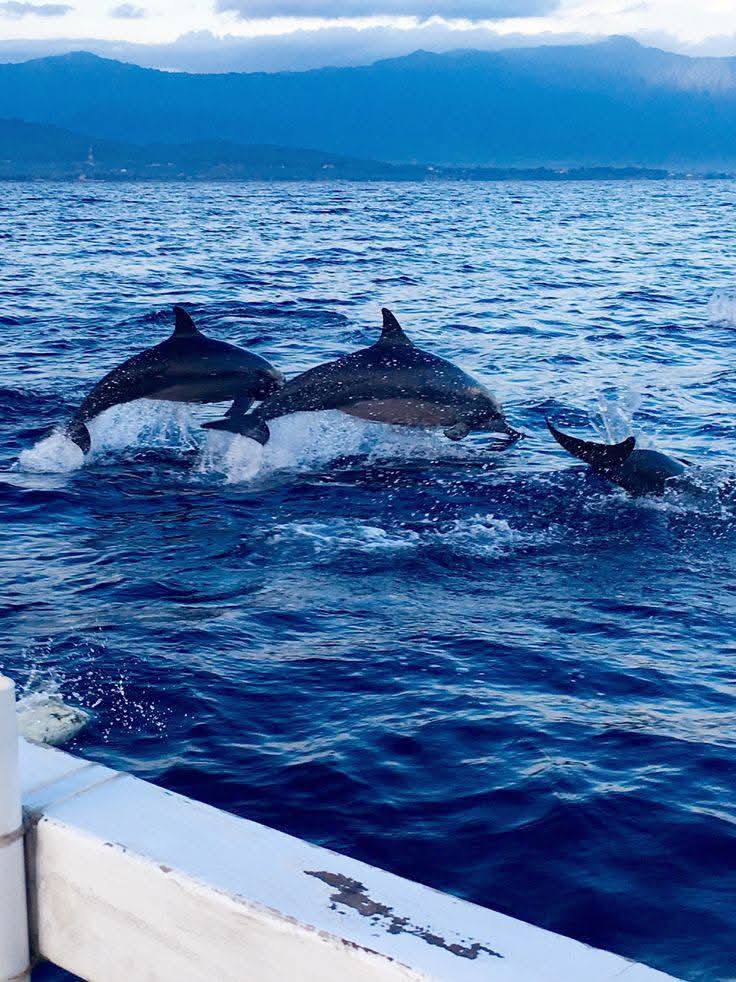
In France, regulations prohibit swimming with dolphins in most regions. Only sea observation with operators certified “High Quality Whale-Watching” is allowed. This policy promotes responsible observation and eco-responsibility.
In Hawaii, the law requires a minimum distance of 46 meters between swimmers and dolphins. In Australia, some sites supervise diving with biologists to ensure a respectful approach. Conservation and protection of marine life take precedence over any activity.
List of regulations in major destinations
- France: Swimming prohibited, certified observation
- Hawaii: Mandatory 46-meter distance
- Australia: Swimming supervised by biologists
- Azores: Limited groups, scientific observation
- Mexico: Swimming prohibited, observation in reserve
- South Africa: Diving allowed, respect for wildlife
How to choose a responsible operator to observe dolphins ethically?
A responsible operator emphasizes biodiversity protection and environmental conservation. Selecting a specialist guarantees respectful observation of dolphin behavior and other marine mammals.
The group size influences the quality of the experience. Favoring small group excursions promotes discreet immersion in the natural habitat of marine animals. A respectful approach avoids any unnecessary stress.
Some operators collaborate with local scientific teams to observe wildlife and study marine life. This approach contributes to conservation and the sharing of knowledge about cetaceans and their environment.
What are the best periods and conditions for an unforgettable experience with dolphins?
The presence of dolphins depends on the seasons and regions of the world. Some destinations like the Bahamas or the Red Sea offer encounters all year round thanks to the richness of their fauna and the stability of their environment.
The period from May to July in South Africa during the Sardine Run attracts thousands of cetaceans for a unique observation. In the Azores, the ideal season extends from May to September to observe several species of dolphins.
The state of the sea, water clarity, and weather influence the success of the encounter. A supervised excursion ensures a peaceful immersion and total respect for marine mammals in their freedom.
How to guarantee an ethical immersion with dolphins without disturbing their natural habitat?
A successful immersion with dolphins begins with careful preparation. Being informed about local practices and choosing operators committed to biodiversity protection limits the impact on the natural habitat. Observing marine animals in their freedom involves adopting a discreet attitude and favoring the recommended distance to avoid altering their behavior.
Respecting responsible observation rules and the advice of specialized guides promotes a rewarding experience. Limiting the number of participants during excursions reduces pressure on wildlife and improves the quality of the encounter. Participating in outings supervised by experts raises awareness of marine life conservation and encourages eco-responsibility while enjoying a unique moment.
Table of best practices for a respectful experience
| Recommended practice | Positive impact | Expert advice |
|---|---|---|
| Maintain minimum distance | Less stress for dolphins | Respect 50 meters |
| Limit group size | Less disturbance | Prefer maximum 6 people |
| Use silent boats | Preservation of tranquility | Favor electric motors |
| Avoid feeding | Natural behavior preserved | Never give food |
| Participate in outings with biologists | Learning and awareness | Listen to explanations about wildlife |
| Respect local regulations | Species protection | Get informed before the excursion |
Choosing the right equipment for responsible swimming
Using discreet and environmentally friendly equipment optimizes the safety of marine life. Favoring short fins, clear masks, and avoiding shiny objects contribute to a respectful approach to cetaceans. A simple snorkel is enough to enjoy silent observation without disturbing marine animals.
The importance of education and awareness
Participating in workshops or conferences before diving helps better understand dolphin behavior and their role in biodiversity. Guides share knowledge about conservation and the issues related to the protection of marine mammals. This awareness enriches the encounter and encourages responsible observation.
The positive impacts of citizen science
Some excursions include citizen science programs where each participant collects data on wildlife. These initiatives support conservation and offer an immersive experience. Observing dolphins while contributing to scientific research strengthens commitment to marine life protection.
The role of labels and certifications
Labels guarantee compliance with eco-responsibility standards and regulatory respect. Choosing a certified “Responsible Whale-Watching” operator ensures practices mindful of environmental protection. These certifications are a reliable guide for travelers wishing to experience an authentic and ethical immersion.
- Get informed about local regulations
- Choose an eco-responsible certified operator
- Limit group size
- Participate in an information session before the outing
- Favor observation at a distance
Why prioritize responsible observation to preserve the magic of encounters with dolphins?
Experiencing an encounter with dolphins in their natural habitat provides unforgettable emotions while contributing to marine life protection. Adopting a respectful approach guarantees the sustainability of these experiences and promotes biodiversity conservation for future generations. Preserving the freedom of marine mammals allows us to continue marveling at the richness of the ocean and the beauty of nature.
Frequently Asked Questions about Respectful Dolphin Watching
Is it allowed to touch or feed dolphins during a sea excursion?
Touching or feeding wild dolphins is strictly discouraged, even prohibited, as it disrupts their natural behavior and can harm their health. Dolphins are not interactive stuffed animals, but free beings who appreciate having their space respected, just like a neighbor very attached to their peace and quiet.
How to recognize an operator truly committed to dolphin protection?
A committed operator clearly displays their certifications, limits group sizes, and favors collaboration with marine biologists. They prefer the whisper of the electric motor to the roar of the outboard engine and systematically offer an information session, so that each excursion becomes a responsible adventure rather than a chase with Flipper.
What should you do if a dolphin spontaneously approaches the boat or swimmers?
If a curious dolphin decides to come say hello, the ideal is to stay calm, avoid any sudden gestures, and savor this magical moment without trying to attract or touch it. After all, in the marine world as in life, sometimes it is the unexpected and respectful encounters that leave the most beautiful memories.
Related posts:
 Trip to Saint Martin immersion between paradisiacal beaches and unique Franco-Dutch culture
 Weather and temperatures in Tenerife in February between mild climate and ideal sunshine
 Safaga Egypt an authentic destination between the Red Sea natural beaches and historical heritage
 Thailand rainy season understanding the monsoon and choosing the best time to travel