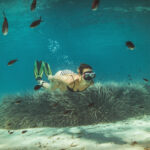
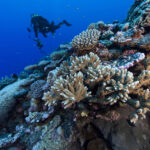
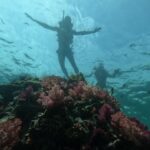
NosyBe fascinates those seeking authentic underwater sensations, where marine biodiversity captivates with every dive. Far from the crowds, this island offers access to some of the most beautiful reefs in the world, mysterious wrecks, and unforgettable marine encounters. Between colorful fauna, crystal-clear waters, and unique accommodations, every stay turns into a rare experience. Knowing when to go, choosing the right site according to your level, surrounding yourself with passionate professionals: everything revolves around safety, enjoyment, and respect for the environment. Follow this path, tailored to each traveler, to experience the magic of Malagasy underwater worlds without compromise.
Why is Nosy Be a benchmark for diving in Madagascar?

Nosy attracts diving enthusiasts from around the world thanks to exceptional biodiversity and varied sites. The crystal-clear waters of Madagascar allow observation of impressive marine life, including turtles, rays, and tropical fish. Diving in Nosy Be stands out due to the richness of its reefs and the presence of many protected areas.
Scuba diving on this island caters to both beginners and experienced divers, with depths suited to every level. Local centers offer modern equipment, qualified instructors, and a warm welcome to ensure safety and enjoyment in sea diving.
The main strengths of the destination
- Diving in crystal-clear waters: Exceptional visibility all year round
- Reef diving: Preserved and colorful coral reefs
- Diving in protected sites: No-fishing zones, abundant fauna
- Reputable centers: Professionalism and safety
- Archipelago diving: Variety of sites accessible by boat
What are the must-see diving sites in Nosy Be?

The Tanikely marine reserve is a flagship site for diving in a marine reserve where underwater life thrives at shallow depths. The Gorgonian Bank, Manta Point, and the Sakatia Arch offer unique experiences, ranging from encounters with manta rays to exploring coral gardens.
The wrecks of Zaida and Mitsio, accessible at different levels, allow wreck diving in fish-rich and mysterious environments. The Mitsio archipelago and the Radames islands charm with their wild and preserved character, ideal for diving in a wild zone.
List of major sites to explore
- Diving at Sakatia: Spectacular caves and arches
- Diving at Nosy Iranja: Dream landscapes and diverse wildlife
- Diving at Radames: Preserved islands and rare encounters
- Diving at Mitsio: Pristine sites for experienced divers
- Deep diving: Ambatoloaka and its black corals
What is the best time to go diving in Nosy Be?
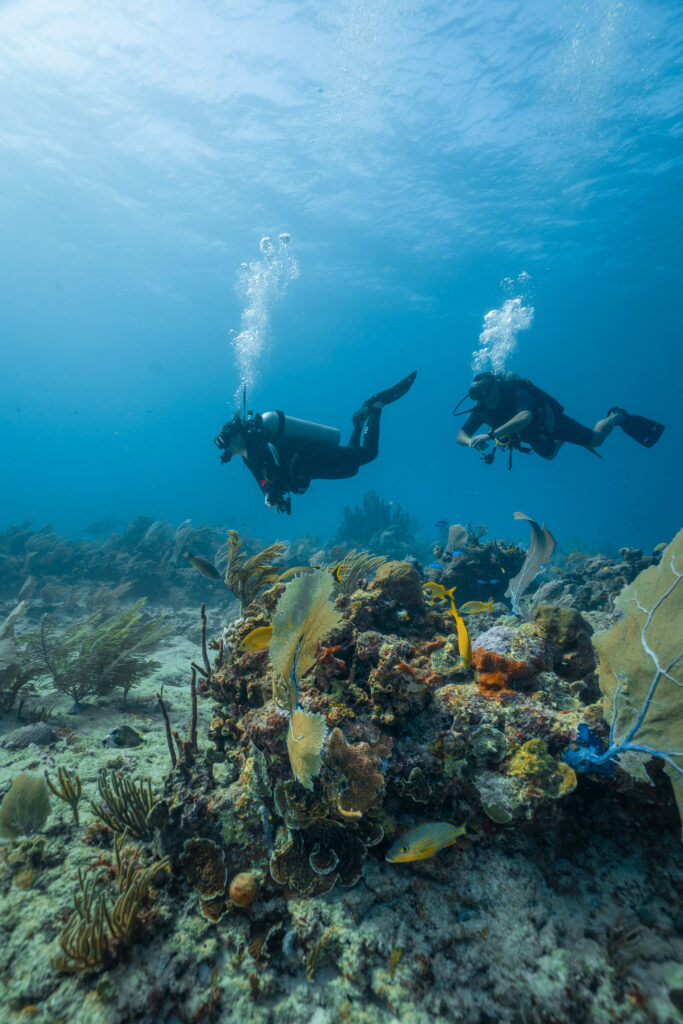
The optimal diving season in Madagascar runs from mid-March to mid-December, a period when weather conditions are favorable. Underwater visibility reaches its peak between September and November, offering the chance to observe whale sharks and manta rays in warm waters.
The water temperature remains pleasant year-round, making warm water diving accessible to everyone. The months from April to July, as well as September and November, are favored for both beginner and experienced diving.
What types of diving are offered for each diver profile?
Local centers adapt to every diver, from beginner to experienced. Diving trips by cruise or boat allow access to isolated and preserved sites, while deep diving and reef diving offer thrilling experiences for the most seasoned.
Diving in protected sites guarantees frequent marine encounters, while diving in archipelagos or wild zones promises unique adventures. Families and groups of friends can thus enjoy experiences suited to all levels.
How to organize your diving stay in Nosy Be and which accommodations to choose?
Organizing a diving stay in Nosy Be involves choosing a certified center, ensuring safety and quality. Accommodations range from authentic lodges to luxury hotels, such as Constance Tsarabanjina, offering comfort and direct access to diving sites in the archipelago.
Packages combining cruise diving and land discovery allow you to fully enjoy the island and its natural riches. Excursions often include exploring villages, meeting lemurs, or visiting the famous Tsingy.
A school of manta rays was observed at less than ten meters depth during a dive in the marine reserve at Tanikely, offering a rare and unforgettable spectacle.
Quiz: Discover Nosy Be and Diving in Madagascar
Why is Nosy Be a reference for diving in Madagascar?
Which site is known for its coral gardens and shallow depth?
What is the best period to observe whale sharks in Nosy Be?
From September to November
Which diver profile can enjoy the sites of Nosy Be?
Both beginners and experienced divers
What is an essential tip for succeeding in your first dive in Nosy Be?
Check the center’s certification and follow recommendations
To deepen your discovery of the underwater world and explore other fascinating places, do not hesitate to consult the best snorkeling destinations in the world which also offer exceptional marine diversity.
What tips to succeed in your first dive in Nosy Be?
Choosing a recognized center remains the first step for a safe experience. Local instructors accompany each diver in discovering sites suited to their level. The environment offers an ideal beginner dive thanks to accessible seabeds and remarkable visibility.
Preparing the equipment plays a key role. Centers provide all the necessary gear for a dive in crystal-clear waters with complete peace of mind. Personalized advice helps to become familiar with safety instructions and optimize the discovery of underwater treasures.
Taking the time to listen to professionals’ recommendations promotes adaptation to the local fauna and flora. Diving in a protected site guarantees varied marine encounters and ecosystem preservation, for an authentic and respectful immersion.
Choose the right site according to your level
The diving sites in Nosy Be are varied, some favoring shallow reef diving for novices, others offering walls and caves for deep diving enthusiasts. Tailored support ensures progression with full confidence.
Getting Familiar with the Local Wildlife
Observing turtles, tropical fish, and colorful corals during a dive in a marine reserve helps to better understand Madagascar’s biodiversity. The guides share anecdotes about iconic species, making each outing unique.
- Check the certification of the center
- Prefer a first dive in a protected area
- Follow safety instructions
- Choose a site suitable for your level
- Observe the wildlife without disturbing it
Diving in Nosy Be: Why Choose This Destination for a First Stay?
The diversity of sites and the ease of access to diving in the archipelago make Nosy Be a preferred destination to start scuba diving. The year-round warm water diving conditions offer unmatched comfort for beginners as well as the more experienced.
Essential FAQ to Properly Prepare Your Dive in Nosy Be
Can you encounter rare or iconic species while diving in Nosy Be?
You will have the opportunity to observe uncommon marine creatures such as the whale shark, manta rays, and giant turtles. The protected sites of the archipelago attract a varied fauna, and discovering these species is one of the most memorable moments of a diving trip in this region.
How to combine cultural immersion and a diving stay in Nosy Be?
Local life is appreciated as much underwater as on land. After your marine explorations, take the time to visit the markets, taste Malagasy cuisine, and interact with the locals. Some centers even organize excursions combining cultural discovery and underwater exploration, for a rich and authentic experience.