Changing the way you travel often starts with a simple choice: the equipment used underwater. Faced with marine or chemical pollution caused by traditional equipment, many people today seek to combine passion with respect for the environment. Adopting sustainable alternatives does not mean sacrificing performance, but committing to a responsible approach while enjoying unforgettable experiences. In this process, understanding the impacts, selecting suitable materials, and rethinking habits allow concrete action for the preservation of marine ecosystems and steer each dive towards a more conscious adventure.
What are the environmental impacts of traditional diving equipment?
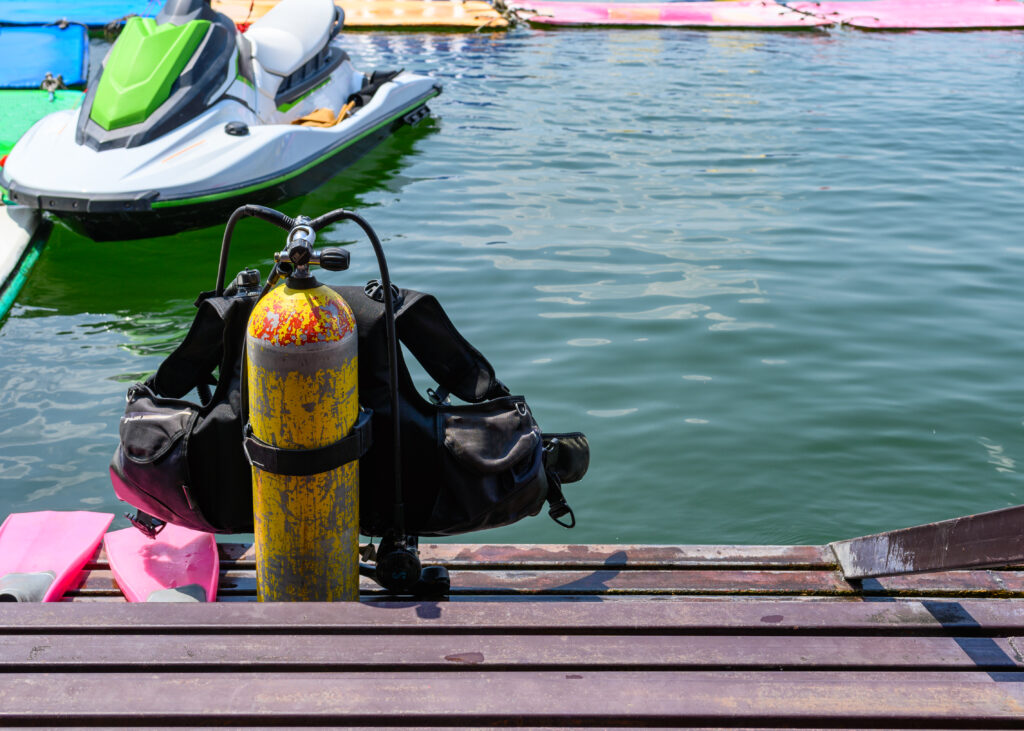
The manufacturing of traditional diving equipment uses many natural resources, including raw materials, energy, and water. These processes often involve the use of chemical treatments such as paints, varnishes, and glues, which contribute to air and water pollution. The extraction and processing of these resources place pressure on ecosystems.
Comparative table of the impacts of main equipment
| Equipment | Resources used | Pollutants generated | End of life |
|---|---|---|---|
| Diving cylinder | Aluminum, steel, energy | Solvents, paints | Complex recycling |
| Neoprene wetsuit | Petroleum, water | Microplastics, glues | Non-recyclable |
| Fins and masks | Plastics, silicone | Chemical residues | Non-biodegradable waste |
| Buoyancy compensator | Synthetic fabrics | Dyes, glues | Landfill or incineration |
The recyclability of equipment often remains limited, especially for pressure cylinders or neoprene wetsuits. These products usually end up in landfills or are incinerated, contributing to pollution. Managing waste from diving requires innovative solutions to limit their impact.
Buying new equipment encourages overconsumption and planned obsolescence, which increases pressure on natural resources. Reducing the replacement of durable equipment is essential to limit these effects. Favoring alternative solutions helps decrease the demand for new production.
- Intensive manufacturing: High consumption of energy and raw materials
- Chemical pollution: Use of solvents and toxic products
- Non-recyclable waste: Low recovery at end of life
Which sustainable alternatives should be favored for diving?
Renting sustainable diving equipment presents an ecological and economical solution. Diving clubs offer well-maintained equipment, which extends their lifespan and limits waste production. This practice reduces the demand for new products and lowers the carbon footprint related to manufacturing.
Opting for eco-friendly diving equipment made from recycled or bio-based materials is another alternative. Some brands innovate by offering wetsuits made from recycled neoprene, fins made from bioplastic, or masks designed from recovered fishing nets. This choice helps preserve the oceans.
The selection of recyclable diving equipment certified by environmental labels guarantees their compliance with strict standards. These certifications ensure responsible production and better end-of-life management of the products. Divers thus benefit from increased safety while reducing their ecological impact.
- Equipment rental from committed clubs
- Choice of recycled or bio-based materials
- Favor eco-responsible labeled products
- Regular maintenance to extend lifespan
How to choose between buying and renting according to your needs?
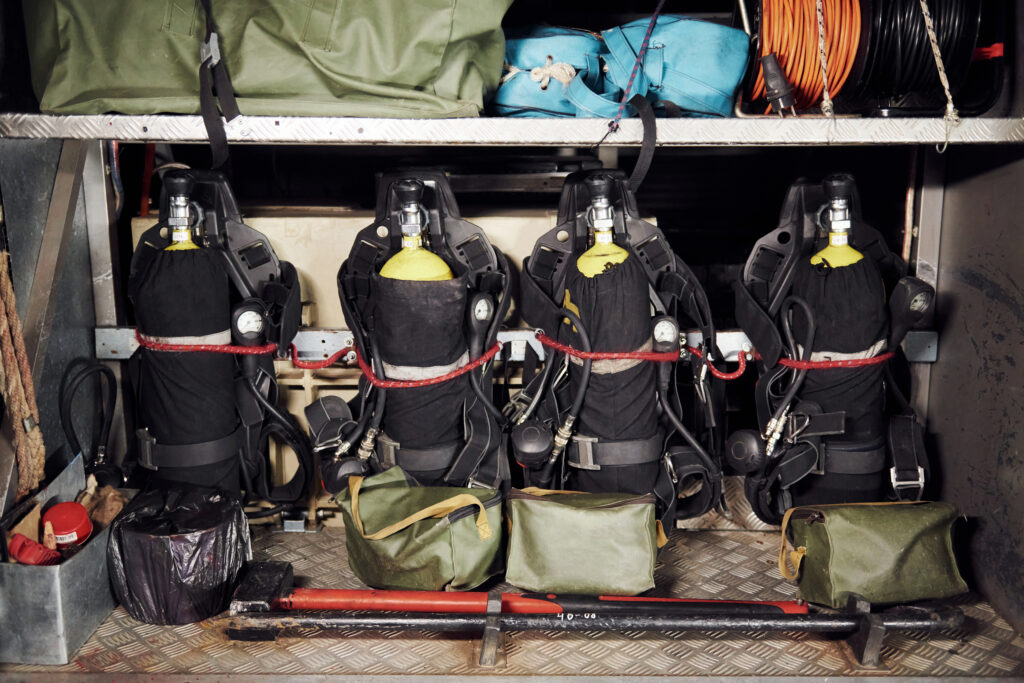
The frequency of use influences the choice between buying and renting environmentally friendly diving equipment. For occasional use or during trips, renting avoids investing in new gear and limits overconsumption. Specialized clubs offer equipment adapted to each skill level.
Regular divers seeking custom solutions can consider purchasing, favoring eco-responsible diving equipment designed by manufacturers committed to sustainable development. Choosing brands with a transparent approach guarantees better traceability of materials and reduced impact.
Maintenance and recycling of diving equipment at the end of its life become crucial to limit their ecological footprint. Choosing products that are easy to repair and recycle contributes to more responsible diving. Clubs like Divin’Giens offer solutions to support divers in this approach.
Essential criteria to guide your choice
- Frequency of use and specific needs
- Manufacturer’s environmental commitment
- Ease of recycling and repair
- Availability of quality rental offers
- Overall long-term cost
What criteria should be prioritized for an eco-responsible approach?
Reducing the use of polluting materials is a priority axis in selecting sustainable alternatives for diving. Preferring equipment made from bio-based or recycled materials helps limit the carbon footprint. Committed brands integrate these criteria into their manufacturing processes.
The extended lifespan of diving equipment thanks to regular maintenance and careful upkeep optimizes their environmental impact. Responsible clubs implement protocols to ensure safety and performance while limiting waste. This approach aligns with the goal of preserving marine ecosystems.
Raising divers’ awareness of the importance of choosing durable diving equipment encourages responsible behavior. Training offered by clubs like Divin’Giens helps spread best practices and encourages the use of ecological solutions to preserve underwater biodiversity.
- Bio-based materials: Reducing dependence on traditional plastics
- Environmental labels: Guarantee of compliance with strict standards
- Regular maintenance: Extending the lifespan of equipment
- Repairability: Limiting waste production
- Awareness: Adopting responsible behaviors underwater
During a training session in Hyères, a diver discovered that his buoyancy compensator was made from recycled fishing nets, thus contributing to the cleanup of the seabed.
To preserve the seabed, it is essential to choose responsible alternatives to traditional sunscreen when purchasing eco-friendly diving equipment and to opt for sustainable solutions.
How to recognize truly eco-friendly diving equipment?
Truly eco-friendly diving equipment is distinguished by transparency in its manufacturing and traceability of its components. Committed manufacturers clearly communicate the origin of materials, emission reductions during production, and packaging limitations. Independent certifications, such as environmental labels, provide additional guarantees to ensure the reduced impact of sustainable diving equipment on the ecosystem.
The modular design of eco-responsible diving equipment facilitates repair, part replacement, and recycling at the end of its life. Informed consumers favor products with available spare parts and simplified maintenance. This approach encourages longevity and limits waste production related to the rapid obsolescence of diving equipment.
Comparison of eco-responsibility criteria for diving equipment
| Criterion | Description | Environmental impact | Example of equipment |
|---|---|---|---|
| Bio-based material | Use of plant-based or renewable materials | Reduction of CO2 emissions | Natural rubber wetsuit |
| Modularity | Replaceable and repairable parts | Extended lifespan | Buoyancy compensator with interchangeable modules |
| Ecological certification | Compliance with environmental standards | Guarantee of responsible production | Eco-labeled fins |
| Recyclability | Easily recyclable components | Waste reduction | Mask made of recyclable bioplastic |
| Reduced packaging | Less plastic and cardboard | Lower packaging waste production | Equipment delivered in bulk |
The importance of material sourcing
Selecting local materials or those from short supply chains helps limit emissions related to transportation and supports the regional economy. Some manufacturers source from suppliers committed to sustainable practices, which strengthens the ecological coherence of diving equipment.
Innovations in recycling diving equipment
Technological advances make it possible to transform old recyclable diving equipment into new products. Initiatives collect used wetsuits to repurpose them into accessories or insulation materials, thus reducing the amount of waste generated by diving.
The role of certifications and environmental labels
Independent labels guarantee the compliance of eco-friendly diving equipment with strict sustainability criteria. Divers thus benefit from assurance regarding the ecological quality of the product, which facilitates an informed choice when purchasing or renting.
Raising Awareness of Eco-Friendly Maintenance
Adopting environmentally friendly maintenance practices, such as using biodegradable products, extends the lifespan of sustainable diving equipment and limits the impact on aquatic environments. Diving clubs raise awareness among their members about these simple actions to preserve water quality.
- Check the traceability of materials
- Favor certified equipment
- Choose repairable models
- Reduce packaging when purchasing
Why Does Adopting a Sustainable Approach Transform the Diving Experience?
Using environmentally friendly diving equipment enriches the underwater experience by promoting the preservation of explored sites and strengthening the sense of belonging to a responsible community. Committed divers participate in the protection of marine environments and benefit from a more authentic immersion, in harmony with nature. Choosing sustainable equipment thus becomes a concrete act in favor of biodiversity and responsible tourism.
Diving is marveling without ever ceasing to protect what we discover.
FAQ: Practical Tips for a Successful Eco-Responsible Dive
How to combine comfort and environmental respect when choosing diving equipment?
You can select equipment made from innovative materials, such as recycled neoprene or bioplastics, which offer excellent thermal performance while limiting environmental impact. Committed brands are now working on ergonomic cuts and modular designs, thus allowing ease underwater and a responsible approach.
Are there initiatives to recycle old diving equipment?
Some manufacturers and partner clubs offer collection programs to take back used wetsuits, masks, or fins, in order to transform them into accessories or insulation materials. Local information often helps find recycling channels adapted to each type of equipment.
Why is equipment rental particularly suitable for traveling divers?
Renting your equipment from committed centers avoids unnecessary purchases, reduces resource consumption, and guarantees access to regularly maintained equipment. This choice also facilitates discovering new destinations without logistical constraints, while adopting a respectful approach to the visited ecosystems.