Journey to Nordic lands, where the sea shapes destinies and every breath of wind carries the memory of ancient gods. The story of Njörd, master of the waves and guardian of sailors, fascinates those who seek to understand the deep connections between nature, traditions, and Norse mythology. Through rituals, legends, and ancestral practices, embark on a journey to meet this protector of navigators, whose influence spans centuries and still shapes the lives of Scandinavian peoples today. Heritage, transmission, and respect for the elements will be the guiding threads of this authentic tale, rooted in the reality of coasts and fjords battered by the waves.
Who is Njörd really and what is his divine origin in Norse mythology?
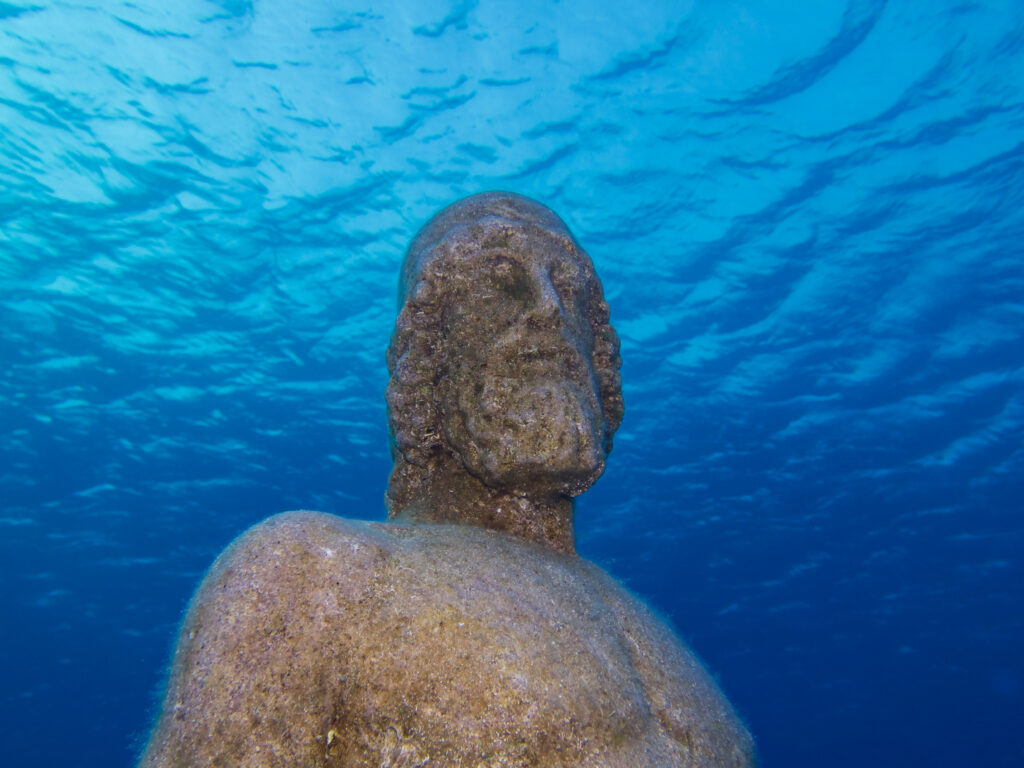
Njörd is among the oldest deities of the Norse gods linked to the sea and winds in Scandinavian beliefs. His presence dates back to the Proto-Germanic era, where he was called Nerþuz and revered for his powers over navigation and fishing. Originating from Scandinavia and Germania, he holds a central place in the pantheon of the Vanir, a divine group distinct from the Aesir.
Comparative table of Njörd’s attributes and family ties
| Name | Role | Main Attributes | Family Relations |
|---|---|---|---|
| Njörd | Norse god of the sea and winds | Navigation, fishing, luck, prosperity | Brother of Nerthus, father of Freyr and Freyja, husband of Skadi |
| Nerthus | Germanic goddess associated with the earth | Fertility, natural cycles | Sister of Njörd, mother of Freyr and Freyja |
| Skadi | Giantess, goddess of mountains and hunting | Mountain, snow, endurance | Wife of Njörd |
| Freyr | God of fertility and abundance | Fertility, wealth, peace | Son of Njörd and Nerthus |
| Freyja | Goddess of love and fertility | Fertility, beauty, magic | Daughter of Njörd and Nerthus |
Norse mythology depicts Njörd as the protector of sailors and fishermen, invoked to obtain luck at sea and prosperity. His residence at Nóatún, by the water’s edge in the realm of Ásgard, reinforces his connection with the elements.
Njörd maintains a unique relationship with Skadi, a mountain giantess. Their union symbolizes the balance between the sea and the mountain, two opposing but complementary natural forces in Nordic culture. Skadi and Njörd divide their time between Nóatún and Jötunheim, illustrating compromise and coexistence between two worlds.
How does Njörd influence navigation and maritime life of the Nordic peoples?
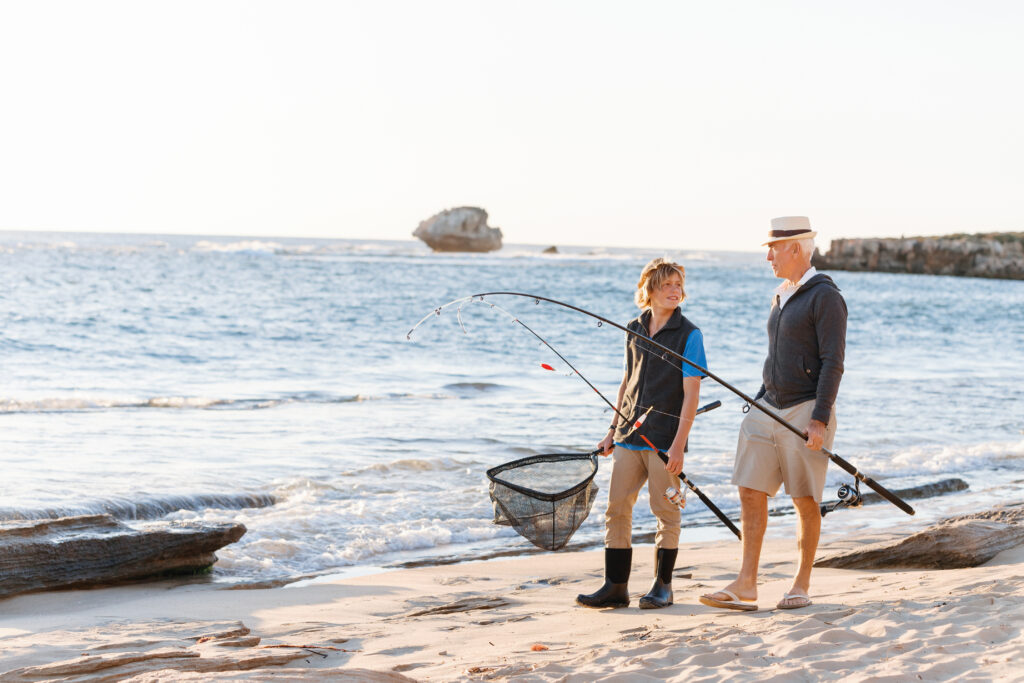
Scandinavian sailors and fishermen place their trust in Njörd to ensure safe and fruitful navigation. Local cults, although without dedicated temples, place great importance on his rituals before each departure at sea. Ancient Icelandic manuscripts often depict Njörd surrounded by marine symbols, emphasizing his role as protector of navigators.
Njörd’s powers over the winds and the sea play a key role in the success of fishing and expeditions. The Nordic peoples see him as a source of luck and prosperity, essential to the survival of communities dependent on maritime resources. The fertility he embodies is also manifested in the abundance of fish and the richness of the coasts.
Oral traditions and seasonal festivals pay tribute to Njörd for his blessings. Offerings of fish or marine objects are common, demonstrating respect and gratitude towards this Nordic god. Practices vary according to regions, but the attachment to Nordic mythology remains strong around the fjords and coastlines.
Main practices and beliefs surrounding Njörd
- Invocation of favorable winds before each expedition
- Offerings of fish to ask for luck at sea
- Seasonal celebrations in honor of maritime prosperity
- Stories told around campfires to strengthen community bonds
What are the symbols and attributes associated with Njörd in Scandinavian culture?
Scandinavian iconography depicts Njörd with marine elements, such as boat hulls, fishing nets, and representations of winds. These symbols reflect his power over navigation and the sea. Ancient manuscripts highlight his connections with natural cycles and fertility.
Certain ritual objects, such as amulets and fishing tools, are dedicated to Njörd to attract luck and prosperity. Sailors often carry these objects during their sea voyages, perpetuating an ancient tradition. The cult of Njörd is thus integrated into the daily life of Nordic peoples.
Popular tales present Njörd as a protector of sailors endowed with ancient wisdom, capable of calming storms and bringing peace to the waves. His symbolism extends to Nordic mythology where he embodies the calm strength of the sea and the generosity of the elements.
What is Njörd’s place in the Nordic pantheon and what are his relationships with other deities?
In the Nordic pantheon, Njörd holds an essential position among the Vanir, a divine group linked to fertility, luck, and prosperity. His lineage includes two major figures, Freyr and Freyja, born from his union with his sister Nerthus, both associated with the abundance and fertility of the land and sea.
Njörd maintains indirect relationships with Odin and Thor, the main gods of the Aesir, but his specificity lies in his role as protector of sailors and guarantor of safe navigation. The exchanges between Vanir and Aesir symbolize the necessity of balance between different powers in Nordic mythology.
The absence of temples dedicated to Njörd reflects the diffuse nature of his cult, integrated with that of other marine deities. Texts and oral traditions emphasize his ability to unite the forces of the sea and the mountains, embodied by his marriage to Skadi, and to ensure the prosperity of the northern peoples.
Major roles of Njörd’s family members
- Njörd: Mastery of the sea and winds
- Freyr: Fertility and wealth of the land
- Freyja: Love, beauty, and magic
- Skadi: Endurance and strength of the mountains
During a Viking ceremony, sailors would leave offerings to Njörd on the beach before setting out to sea, hoping to benefit from favorable winds for their expedition.
In Norse mythology, Njörd, the Norse god of the sea and protector of sailors and seafarers, is often compared to other impressive mythological creatures that populate maritime legends.
How does the figure of Njörd still inspire contemporary Nordic cultures?
The influence of Njörd can be seen in modern practices related to the sea and navigation. Coastal communities in Nordic countries continue traditions rooted in Norse mythology, valuing the luck and prosperity offered by nature. Maritime festivals and boat blessing rituals recall the role of protector of sailors attributed to Njörd. These cultural expressions testify to the continuity of a millennial heritage, where fishing and navigation remain central to regional identity.
The transmission of stories about Njörd also occurs through art, literature, and education. Nordic museums display ritual objects, boat models, and works inspired by the sea and its deities. In schools, Norse mythology is studied to understand the connections between humans and nature. This appreciation of traditions promotes respect for the marine environment, encouraging the preservation of resources and the celebration of the fertility of Nordic waters.
Examples of Njörd’s influences in contemporary Nordic culture
| Cultural manifestation | Place or region | Description |
|---|---|---|
| Njörd Maritime Festival | Norway | Boat blessing ceremony and offerings to the sea |
| Exhibition on Norse mythology | Iceland | Ritual objects and stories about sea gods |
| Sea departure rituals | Faroe Islands | Invocations for favorable winds and abundant fishing |
| Popular tale about Njörd | Denmark | Stories passed down during family gatherings |
| Education on Norse mythology | Sweden | School studies on deities and navigation |
Njörd’s role in the transmission of maritime knowledge
The legends of Njörd serve as a basis for learning navigation and fishing techniques. Elders pass on to the younger generations the secrets of currents, reading the winds, and observing natural cycles, thus perpetuating the memory of the protector of sailors. This oral transmission strengthens social cohesion and the appreciation of local know-how.
The impact of Njörd on modern ecological beliefs
The figure of Njörd inspires respect for the sea and the preservation of its fertility. Coastal protection campaigns rely on the heritage of Norse mythology to raise awareness of environmental issues. Fishermen and sailors adopt sustainable practices, aware of the fragile balance between humans and nature, a direct legacy of the vision embodied by Njörd.
Contemporary artistic representations of Njörd
Scandinavian artists reinterpret the image of Njörd through sculpture, painting, and literature. The works highlight the power of the winds, the beauty of the sea, and the symbolism of navigation. These creations help renew interest in Norse mythology and transmit its values to new generations.
Njörd’s Place in Local Celebrations and Cultural Tourism
The protector of sailors holds a prominent place in tourist circuits related to the sea and navigation. Visitors discover legends, participate in workshops on traditional fishing, and attend reenactments of ancient rituals. These experiences offer an immersion into Nordic culture and promote exchange between local populations and travelers.
- Participation in maritime festivals inspired by Njörd
- Visit to museums dedicated to Nordic mythology
- Discovery of oral tales during evening gatherings
- Observation of ecological practices inherited from ancient beliefs
- Exploration of coastal sites associated with Njörd
Why Does Njörd Still Fascinate Travelers and Mythology Enthusiasts?
The figure of Njörd embodies the sea as a source of luck, navigation, and fertility. His legacy spans centuries, connecting Nordic peoples to nature and Nordic mythology. Travelers seeking authenticity and cultural discoveries find in the story of this Nordic god a symbol of adventure, harmony, and respect for the elements. The mention of Njörd invites exploration of traditions, understanding the links between man and the sea, and drawing inspiration from ancestral wisdom to enrich every travel experience.
The sea is a mirror where every wave reflects the memory of the gods.
FAQ on Njörd: Mythology, Maritime Practices, and Cultural Heritage
How to recognize traces of Njörd during a trip to Scandinavia?
You will encounter the influence of Njörd in coastal museums, displayed ritual objects, or maritime festivals where boat blessings and sea shanties remain lively. Oral traditions, still passed down in some fishing villages, testify to his importance in regional identity.
Are there iconic places associated with Njörd open to curious travelers?
Some Norwegian fjords or Icelandic islands still celebrate the memory of Njörd through festivals or cultural trails. Natural sites such as Nóatún, mentioned in the sagas, sometimes become meeting points between legends and majestic landscapes, offering an immersion into the universe of the sea god.
How do beliefs related to Njörd influence sea protection today?
Njörd’s heritage helps raise awareness among communities about sustainable management of marine resources. Modern ecological practices draw inspiration from this ancestral respect, encouraging the preservation of coastlines and the transmission of knowledge around navigation and responsible fishing.
In Norse mythology, Njörd is the god of the sea and the protector of sailors and seafarers, and to deepen your discovery of marine deities, consult this article dedicated to the sea god and his role among the Scandinavian peoples.