Ancient fascination, enchanting myths and fear of the unknown: many feel this thrill before the mystery of mermaids, mixing dream and apprehension towards the sea. Since childhood, the image of these hybrid creatures haunts the collective imagination, oscillating between fatal seduction and elusive danger. Yet, behind every legend lies a complex story, shaped by cultures and eras, where the boundary between reality and fiction blurs.
How can we explain the persistence of these marine figures in our memory and their ability to influence art, literature, or even our perception of the marine world? By tracing their origins, analyzing the symbols, and confronting beliefs with science, this narrative invites you to understand why mermaids continue to haunt minds and to grasp the impact of these legends on how we approach travel, the sea, and difference.
What is the origin of mermaids and how has their image evolved across different cultures?
The earliest traces of motifs related to mermaids appear in Greek mythology where these creatures take the form of birds with a woman’s head. Their origin is rooted in Antiquity, notably in Homer’s Odyssey, where their enchanting song threatens sailors. This legend highlights the symbolism of danger linked to the sea and female seduction, a central element of the marine imagination through the ages.
Over the centuries, the iconography of mermaids has transformed, shifting from hybrid beings with a half-bird, half-fish appearance to the classic representation of a woman with a human torso and a fish tail. This shift is observed in medieval texts and artistic works, reflecting an evolution of the symbols associated with the marine temptress. The representation of the mermaid then becomes rooted in European tradition, notably in Romanesque art and bestiaries.
The spread of these myths occurs across Europe, Asia, and Africa, each culture integrating its own attributes and interpretations. Mermaids thus become emblematic figures of marine symbolism, oscillating between beauty, attraction, and danger, while embodying transformation and fascination with the unknown.
The major stages of iconographic evolution
- Ancient Greece: bird-mermaids with a woman’s head
- Middle Ages: woman-fish hybridization in bestiaries
- Renaissance: emphasis on feminine beauty and temptation
- Modern era: integration into Western popular culture
- Asia: fish with human heads or aquatic women
How is the figure of the mermaid depicted in the major mythologies of the world?
In Scandinavian mythology, the siren margýgr seduces or punishes sailors with her ambiguous allure and beauty. Icelandic legends describe fish-women who cause danger at sea. In Great Britain, the siren is associated with superstition, heralding storms and disasters, while the Scottish ceasg or the ben-varrey of the Isle of Man present more favorable and traditional aspects.
In Central and Eastern Europe, the Slavic roussalka lures young men into lakes, embodying seduction, transformation, and death. In German mythology and in the Nibelungenlied, the ondines and nixes share the attributes of sirens, oscillating between imagination and popular belief. Greek myths, meanwhile, link the siren to historical figures like Thessaloniké or to fish-goddesses such as Atargatis, reinforcing the symbolism of the aquatic woman.
In Asia, the Chinese Shanhaijing evokes half-human, half-fish creatures, while the Japanese ningyo and the Korean ineo illustrate the perception of a mysterious aquatic being, sometimes benevolent, sometimes a harbinger of danger. These tales testify to the diversity of myths and their rooting in the collective imagination.
Examples of famous sirens across mythologies
- Scandinavian Margýgr: seductive and mischievous siren
- Slavic Roussalka: young nocturnal aquatic woman
- Scottish Ceasg: protective freshwater siren
- Ben-varrey of the Isle of Man: benevolent figure
- Japanese Ningyo: fish with a woman’s head bearing omens
What are the main symbols and functions attributed to sirens throughout history?
Sirens embody powerful symbols of seduction, temptation, and fatal beauty. Their song, associated with enchantment, lures sailors toward danger or death, illustrating the duality between attraction and loss. Medieval iconography associates them with lust and temptation, where the mirror and the shell become their emblematic attributes.
In popular tradition, the siren often announces natural disasters or upheavals, reinforcing the superstition linked to the sea. The depiction of the siren as guardian of marine secrets or messenger of fate is part of a collective belief shared across several continents. These motifs are found in art, literature, and oral tales for centuries.
Modern mythology offers an evolution of the siren’s symbolism, shifting from sea monster to romantic figure, as in Andersen’s The Little Mermaid. This transformation reflects the human imagination’s ability to adapt ancient myths to contemporary concerns.
How does modern science explain the origins and persistence of the siren myth?
Researchers suggest that the origin of the siren myth comes from confusion between marine mammals, such as manatees or dugongs, and these mythical creatures. Sailors, confronted with the symbolism of the sea and superstition, interpreted the shapes and plaintive cries of these animals as supernatural attributes, thus fueling popular imagination.
The representation of sirens in 19th-century fairs and museums, in the form of taxidermies composed of animal parts, illustrates the tradition of the fake and the marvelous. Science, by studying the physiology of sirenians, demonstrates the biological impossibility of a half-woman, half-fish being, while recognizing the importance of these myths for popular belief and the perception of the marine world.
The enduring fascination with sirens reveals the power of the collective imagination and the ability of ancestral motifs to reinvent themselves in contemporary culture. Sirens thus remain a universal symbol of seduction, danger, and transformation.
Main Scientific and Cultural Elements
- Connection with marine mammals (manatees, dugongs)
- Creation of fake mermaids for exhibitions
- Physiological studies on the viability of a hybrid being
- Evolution of the myth according to scientific discoveries
- Constant adaptation in the collective imagination
In 1493, Christopher Columbus reported having observed three mermaids near Haiti, which were actually manatees, illustrating the power of belief and imagination in interpreting marine phenomena.
Throughout history, many civilizations have been fascinated by the most impressive mythological creatures that populate stories about mermaids, their origins, and their various interpretations around the world.
How does the mermaid influence art and literature through the ages?
The representation of mermaids in art evolves according to periods and societies. Artists use the symbolism of the mermaid to explore the duality between seduction and danger. Ancient frescoes, medieval illuminations, and Renaissance paintings testify to the richness of the imagination attached to this creature. Mermaids become favored subjects to illustrate human fascination with transformation and the unknown.
In literature, the legend of the mermaid inspires numerous stories, from folk tales to modern novels. Writers appropriate the mythology to address themes such as belief, superstition, and the quest for the absolute. The figure of the mermaid crosses genres, embodying at times the temptress, at others the victim of her own enchantment.
The mermaid in visual arts
Painters, sculptors, and engravers exploit the beauty and attraction of the mermaid to evoke emotion. Marine colors, undulating shapes, and aquatic attributes reinforce the symbolism of the fish-woman. The iconography evolves according to artistic movements, reflecting the concerns of each era.
The mermaid in poetry and novels
Poets use the mermaid as a metaphor for irresistible seduction. In novels, the transformation of the mermaid into a human or vice versa serves to illustrate inner conflicts and overflowing imagination. The story of Andersen’s Little Mermaid remains an emblematic example of this literary evolution.
The mermaid in music and cinema
Composers and filmmakers draw inspiration from mermaid mythology to create striking works. The enchanting songs and mysterious appearances in films or operas highlight the ambivalent perception of the mermaid, oscillating between danger and attraction.
Objects and symbols associated with the mermaid
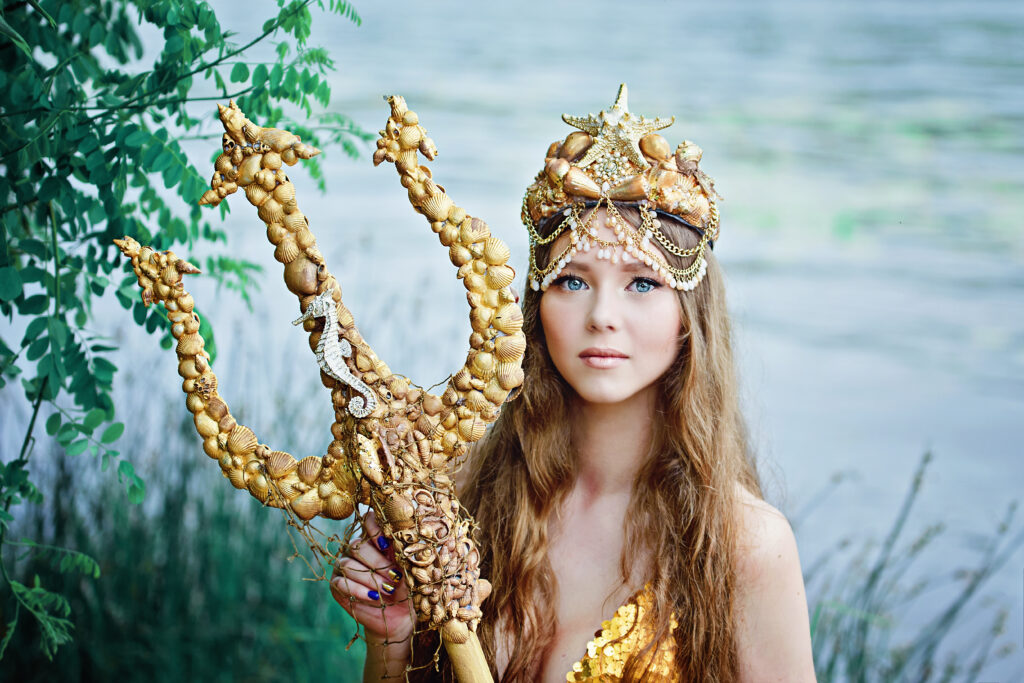
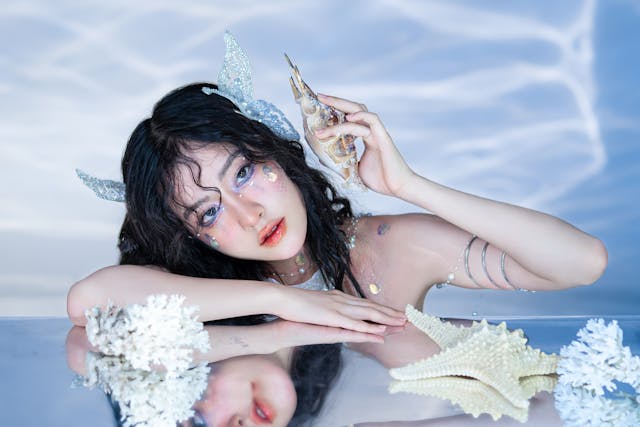
The mirror, comb, and conch are among the most frequent attributes in mermaid iconography. These objects represent beauty, transformation, and the connection with the marine world. Their presence in artworks and stories testifies to the strength of motifs linked to the mermaid.
- Ancient frescoes depicting bird-mermaids
- Renaissance paintings highlighting femininity
- Modern sculptures illustrating metamorphosis
- Novels and tales featuring temptation
- Films and operas exploring enchantment
Why does the fascination with mermaids persist in contemporary imagination?
Mermaids continue to captivate thanks to the power of their symbolism and the richness of their imagery. The ability of these creatures to embody both danger and seduction fuels an ambivalent perception that spans centuries. Modernity constantly reinvents the representation of mermaids, whether in literature, cinema, or artistic creations, thus perpetuating their myth in popular culture and new traditions.
“Mermaids are everything that man dreams and fears about the sea.”
FAQ on the fascination with mermaids: between myth, travel, and lived experiences
Can one still encounter living beliefs about mermaids during contemporary travels?
During my extended stays in various regions of the world, I have observed that legends related to mermaids remain alive in many coastal communities. For example, in Indonesia or the Caribbean, fishermen willingly share stories and rituals aimed at appeasing these sea spirits. In West Africa, the figure of Mami Wata continues to inspire local cults, whose celebrations and offerings testify to the persistence of belief. Immersion in these cultures offers a striking perspective on the deep connection between local populations and aquatic myths.
How does the myth of mermaids influence the experience of divers and travelers passionate about the ocean?
During dives in tropical waters, I have sometimes perceived this thin boundary between reality and imagination, reinforced by the stories of mermaids passed down by the locals. The myth enriches the sensitive approach to the sea: every encounter with a dugong or a strange underwater shadow revives these ancestral tales. This mythical dimension adds a sense of wonder and invites greater respect for marine ecosystems, while fostering authentic exchanges with local populations who perpetuate these fascinating stories.