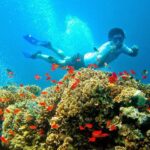
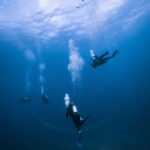
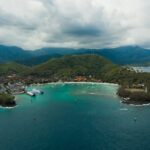
Passion for the sea, a desire for thrills, and a thirst for authenticity drive you to seek an extraordinary experience. The deep blue of Sicily fascinates with its preserved marine life, its most beautiful wrecks steeped in history, and its secret caves, but the abundance of choices and the diversity of sites can make planning a trip complex. Whether you dream of swimming alongside groupers or marveling at volcanic formations, it’s easy to get lost without proper guidance. Thanks to life experience on site, combining local immersion and exceptional accommodations, I share practical advice here to structure your adventure, identify must-see sites, and ensure a responsible approach, to turn this desire into unforgettable memories.
Why does Sicily attract so many scuba diving enthusiasts?
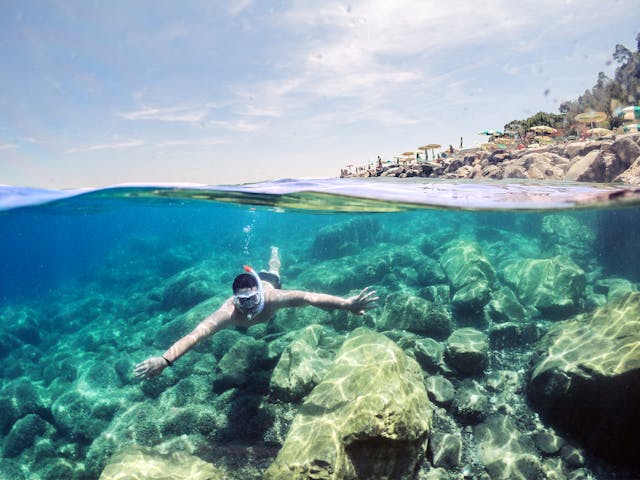
Diving in Sicilian waters fascinates with the diversity of its underwater landscapes and the richness of its marine life. Located in the heart of Sicily, this region reveals a mosaic of wrecks, caves, and volcanic formations that testify to an ancient and abundant maritime history. The biodiversity is remarkable, notably thanks to a varied fauna that thrives in protected areas.
Sailors and scuba diving enthusiasts find in Italy experienced clubs, sites suitable for all levels, and abundant marine life. Underwater visibility, often exceeding 30 meters, reveals secret caves, natural arches, and historic wrecks, making each exploration unique.
The major assets of Sicily for diving
- varied and exceptional seabeds
- accessible historic wrecks
- dense Mediterranean fauna
- remarkable visibility all year round
- specialized clubs and French-speaking guides
What are the iconic sites to explore during a diving trip in Sicily?
Ustica stands out as the diving capital of Sicily, offering renowned spots like Grotta dei Gamberi and Secca della Colombara. The Aeolian Islands, listed as a World Heritage site, offer dives in active volcanic zones that reveal spectacular volcanic formations.
The northwest coast, around San Vito Lo Capo and the Zingaro reserve, attracts with its translucent waters and abundant fauna. On the east coast, Taormina and Isola Bella reveal sites accessible to all, perfect for discovering scuba diving and exploring caves and underwater gardens.
Must-see sites for a successful dive
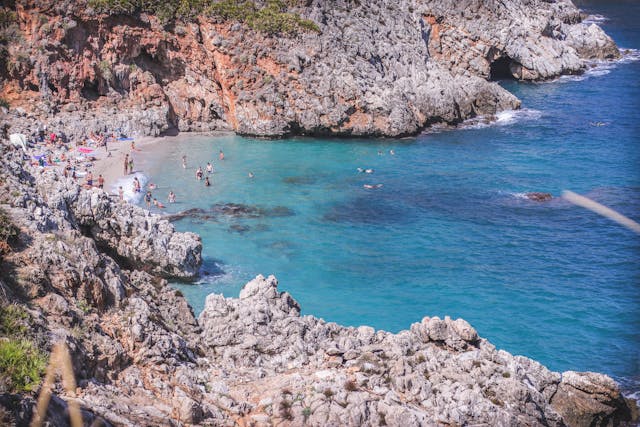
- Ustica and its protected marine reserve
- Aeolian Islands with active volcanoes
- San Vito Lo Capo and the Zingaro Reserve
- Taormina and the Blue Grotto
- Wrecks of Aci Trezza and Catania
How does volcanic geology influence diving in Sicily?
Volcanic geology shapes unique seabeds, composed of volcanic formations such as cliffs, arches, and deep caves. The waters around the Aeolian Islands and Ustica feature spectacular landscapes, often dotted with hydrothermal springs and underwater lava flows.
These features create an ideal habitat for remarkable biodiversity and varied fauna, attracting divers who enjoy technical diving and those passionate about sport diving. Exploring these areas offers thrilling experiences and direct contact with the power of Sicilian nature.
What types of fauna and marine life can you observe during your dives?
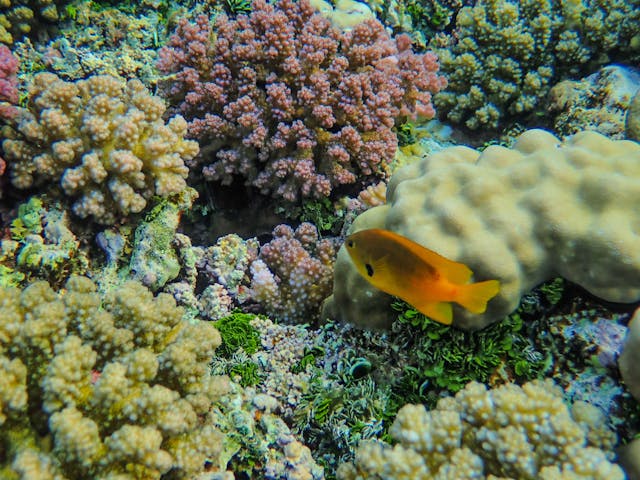
The seabeds of Sicily host exceptional biodiversity. Sailors regularly encounter groupers, barracudas, moray eels, nudibranchs, seahorses, rays, and sea turtles. Wrecks and caves serve as refuges for a multitude of species, offering unforgettable encounters.
Marine life thrives thanks to the quality of the waters and the preservation of protected areas. Local clubs offer guided outings to discover these treasures, suitable for both beginners and enthusiasts of technical and sport diving.
What are the ideal conditions and recommended equipment for diving in Sicily?
The water temperature ranges from 18°C to 27°C from May to November, the ideal period for sea diving in Sicily. Visibility often exceeds 30 meters, providing optimal comfort for exploring iconic sites and wrecks.
A 5 mm wetsuit is sufficient from June to October, while a semi-dry suit is recommended in winter. Local clubs rent all necessary equipment and offer professional supervision, often in French or English.
Recommended equipment and periods for an optimal experience
- 5 mm wetsuit from June to October
- Semi-dry suit from November to May
- Appropriate diving insurance
- Medical certificate for sport diving
- Preference for September and October
In 1986, the creation of Italy’s first marine protected area in Ustica marked a turning point for the preservation of Sicilian seabeds.
Quiz: Discover Diving in Sicily
Why is Sicily a preferred destination for scuba diving?
Which site is considered the diving capital of Sicily?
How does volcanic geology influence the seabeds in Sicily?
What marine fauna can be observed during a dive in Sicily?
What is the ideal period for diving in Sicily?
All year round, without variation
Sicily is a fascinating destination for diving enthusiasts, notably due to the richness of its seabeds and the diversity of its underwater fauna; if you want to broaden your horizons and discover other exceptional places, also explore the best snorkeling destinations in the world, where each site offers unique and memorable experiences.
What are the tips for organizing a successful diving trip in Sicily?
Preparing a trip dedicated to diving in Sicily starts with selecting local clubs known for their safety and deep knowledge of the sites. Contacting these organizations in advance allows you to book the most suitable time slots for the season and benefit from personalized support. Clubs often offer packages including accommodation, equipment, boat trips, and French-speaking guidance, ensuring a hassle-free experience.
Logistical organization includes choosing diving areas according to experience level and expectations. Spots on the northern coast and the Aeolian Islands stand out for their accessibility and the diversity of their marine life. Adjusting the length of the stay allows alternating dives and cultural discovery, to fully enjoy the richness of Sicilian heritage.
Special attention must be paid to the water temperature and weather conditions. Having insurance suitable for sport diving and carrying a valid medical certificate ensures participation in all offered activities. Booking guided sessions allows for exploring iconic wrecks and caves with complete peace of mind.
The advantages of guided group diving
Participating in group outings promotes the discovery of diverse seabeds and meeting other enthusiasts. Local clubs organize themed dives, often focused on biodiversity or maritime history. Professional supervision ensures a safe and enriching approach, ideal for progressing quickly and sharing memorable moments around diving.
Training and certifications available on site
Sicilian clubs offer training adapted to all levels, from introductory dives to technical diving. Obtaining an international certification on site opens access to deeper areas and wrecks reserved for experienced divers. Experienced instructors accompany each step, guaranteeing rapid and safe progression in an exceptional natural environment.
- Book in advance with recognized clubs
- Check the validity of insurance and medical certificate
- Choose the period according to the water temperature
- Opt for guided group outings
- Take advantage of on-site training
Why is Sicily an essential destination for diving in the Mediterranean?
Sicily captivates with the diversity of its sites, the richness of its marine life, and the beauty of its seabeds. Exploring its wrecks, caves, and volcanic zones offers a total immersion in a fascinating universe where biodiversity and volcanic geology meet. Preparing a diving trip in Italy allows combining adventure, discovery, and passion, to live unforgettable experiences beneath the surface of the Mediterranean.
Practical FAQ for a first diving experience in Sicily
Can you dive all year round in Sicily and what are the best periods to do so?
Diving remains accessible all year round thanks to the mild Mediterranean climate, but the best period extends from May to October when the water temperature and visibility offer more comfort. The months of September and October are particularly pleasant, with fewer visitors and very lively underwater environments.
What accommodations are recommended for divers in Sicily?
Diving clubs often offer packages including accommodation, equipment, and guided outings. You will also find a varied selection of charming hotels, apartments, or guesthouses near the departure ports. Staying close to the centers allows you to maximize your time underwater and benefit from personalized local advice.
Are there complementary activities to diving to enrich your stay?
Beyond underwater explorations, Sicily offers cultural and natural treasures to discover: hikes in reserves, archaeological visits, local markets, or excursions on the volcanoes. Alternating diving and land discoveries allows for a total immersion in the island’s richness and fosters authentic encounters with its inhabitants.