Do you feel the call of the depths, the promise of total freedom beneath the surface, but also apprehension about the complexity of safety and equipment? Obtaining a recognized certification transforms each dive into an unforgettable experience, offering access to marine encounters and fascinating underwater landscapes. Thanks to structured training, combining theory and practice, you learn to master every move, anticipate every risk, and adopt environmentally respectful behavior. Let yourself be guided step by step to cross this threshold, acquire solid skills, and fully enjoy each dive with complete confidence.
Why is scuba diving training essential for autonomous diving?
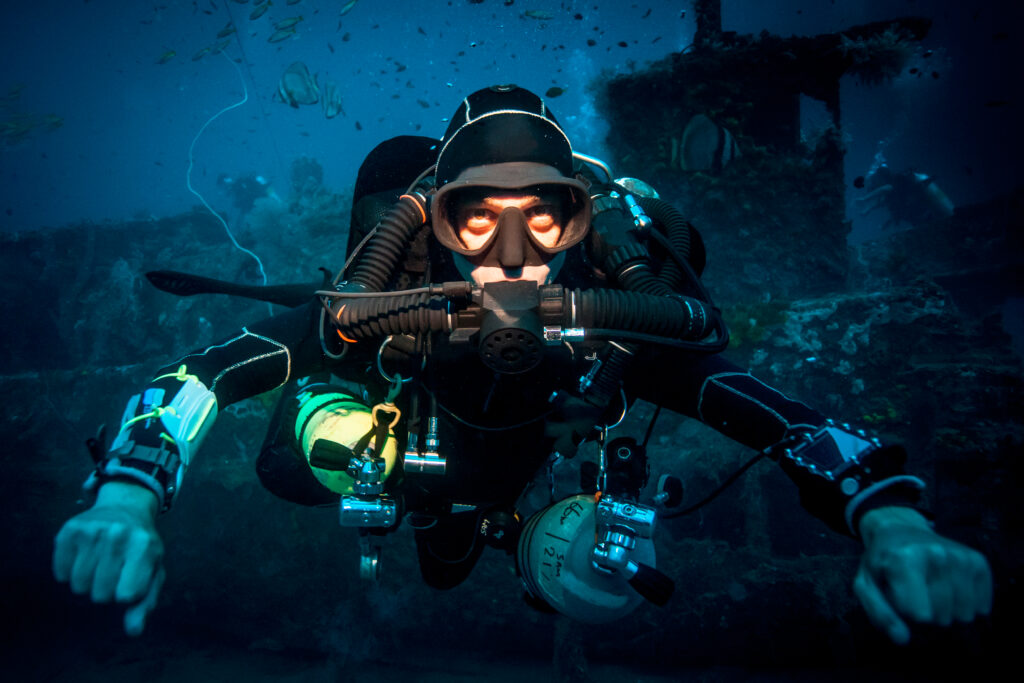
Autonomous diving requires rigorous training to ensure the safety of every dive. The certification process allows mastering essential techniques and accessing scuba diving worldwide. The training provides a solid foundation to learn air management and buoyancy control.
Structured courses like the PADI Open Water Diver are based on progressive teaching covering both theoretical and practical training. Each step is supervised by a certified instructor or dive master. Learning includes handling the scuba gear, controlled immersion, and depth management.
Passing the certification allows filling tanks, renting equipment, and booking dives in natural environments. A certified diver can join a club, participate in expeditions, and explore renowned sites. The training guarantees access to a guided and internationally recognized adventure.
Key steps of scuba diving training
- Registration for a recognized course
- Learning theoretical training and practical training
- Supervised sessions in a controlled environment
- Evaluation of techniques during diving in natural environments
- Obtaining certification for autonomous diving
How to choose the right equipment and prepare for scuba diving?
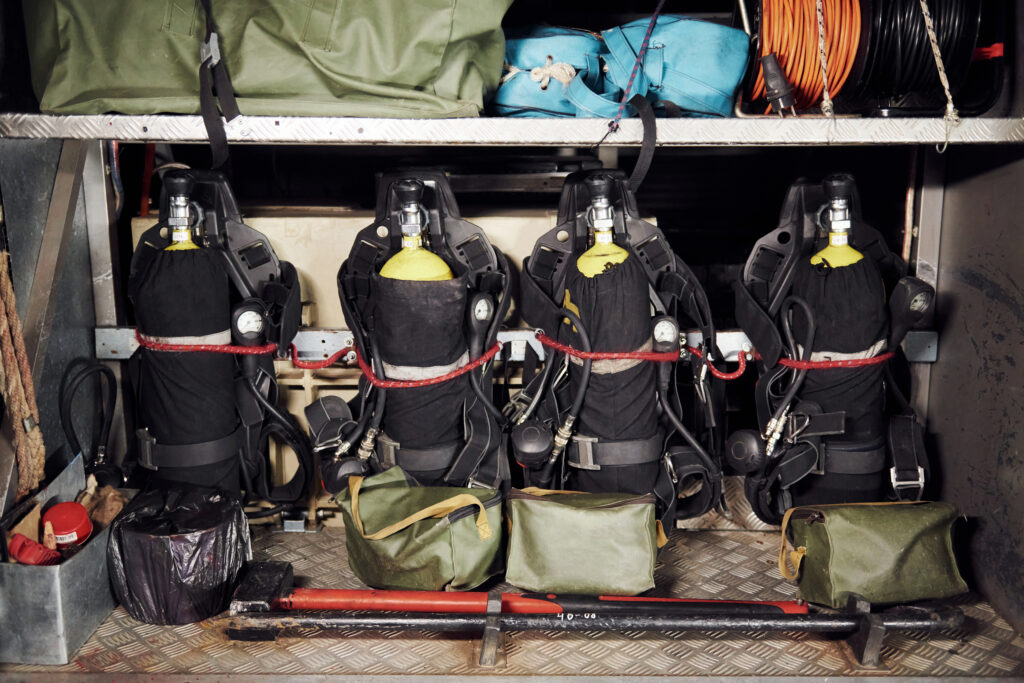
The selection of equipment affects comfort and safety during dives. A training center generally provides a wetsuit, a tank, a buoyancy compensator, a regulator, a pressure gauge, and sometimes a dive computer. Adding gloves or a hood is useful in cold waters.
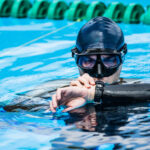
It is often recommended to bring your own mask, snorkel, and fins for reasons of fit and hygiene. Practical training allows testing and adjusting the equipment before dives in natural environments. Pool or controlled environment trials promote better breathing and buoyancy control.
Physical preparation involves the ability to swim a defined distance and to stay afloat without assistance. The training adapts to all profiles, including people with reduced mobility who can benefit from specific techniques validated by an instructor.
Basic Equipment Elements for Scuba Diving
- Wetsuit suitable for the water temperature
- Mask and snorkel for surface breathing
- Fins to facilitate swimming
- Tank and regulator for scuba diving
- Gloves and hood in cold waters
What are the steps of the training and certification course in scuba diving?
The training course begins with theoretical training accessible online or via a manual. This phase prepares for understanding safety rules, air management, and depth parameters. Self-learning facilitates the assimilation of key concepts at one’s own pace.
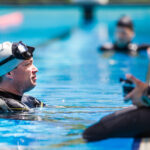
The second stage takes place in a controlled environment, usually a swimming pool, where the instructor teaches basic techniques. The diver practices clearing their mask, assembling their scuba gear, and mastering buoyancy. These exercises build confidence before immersion in a natural environment.
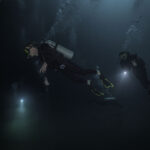
The final phase includes supervised dives in a natural environment, spread over several days. The diver performs air management exercises and validates their autonomy during a final evaluation. Obtaining certification allows for autonomous diving worldwide.
Summary of the scuba diving certification path
- Theoretical training study at home or at the center
- Practical training in the pool
- Mastery of fundamental techniques
- Supervised dives in a natural environment
- Evaluation and certification issuance
What are the prospects for advancement and specialization after scuba diving certification?
Once certified, many advanced courses are available to divers. These specialized trainings allow discovery of altitude diving, underwater photography, or incident management. Access to these courses is open to all certified divers wishing to deepen their knowledge.
Training continues with higher levels such as Advanced Open Water Diver or Rescue Diver. These courses cover deeper immersion, advanced safety, and group supervision. Experienced divers can move towards leadership by becoming instructors or dive masters.
Progression to the profession of instructor involves internships, practice in real situations, and physical exams such as long-distance swimming or rescue. Leadership training enables teaching diving up to 40 meters deep and supporting new divers in their progress.
Specialization fields after certification
- Diving at altitude or wreck diving
- Specialization in underwater photography
- Training in incident management
- Supervision as an instructor
- Scientific or environmental exploration
During the first scuba diving training sessions in France, underwater breathing was tested in the Seine River in Paris with adapted homemade equipment.
To better understand the fundamentals of autonomous diving, discover a suitable scuba diving training to explore the seabed safely.
What are the benefits of scuba diving training for responsible practice?
Scuba diver training imparts the foundations of a practice respectful of the marine environment. Each session raises awareness about ecosystem preservation, the impact of actions underwater, and adopting ethical behavior during every dive. The modules address the need to limit contact with fauna and flora, avoid stirring up sediments, and never collect natural or historical elements.
A qualified instructor explains collective safety rules, emergency situation management, and underwater communication. The learning includes hand signals, equipment preparation, and anticipating risks related to depth, buoyancy, or air management. The training thus guarantees safer and more responsible autonomous diving.
The advantages of recognized scuba diving training
Following recognized training allows access to international sites and acceptance in most diving centers. The certification obtained validates mastery of essential techniques and knowledge, facilitating equipment rental and organizing dives in natural environments worldwide.
The role of equipment in learning autonomous diving
Using adapted and well-maintained scuba gear optimizes safety and comfort. Handling different types of masks, snorkels, fins, or suits helps better understand the specifics of each equipment. Practical trials reveal personal preferences and promote quick adaptation in real situations.
Skill progression in a protected environment
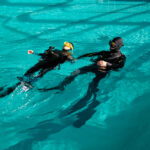
The first dives take place in a protected environment, often in a pool, to learn how to manage buoyancy, breathing, and air management. These exercises develop ease underwater, the ability to react to the unexpected, and the confidence necessary to later progress to natural scuba diving.
Managing unexpected situations during dives
The training includes simulations of air failure, mask loss, or buoyancy difficulties. These scenarios prepare divers to react effectively and assist others if needed. Mastering these protocols strengthens individual and collective safety during every autonomous dive.
- Acquire the basics of diving safety
- Learn to use the scuba gear and associated equipment
- Develop buoyancy and breathing control
- Master underwater communication signals
- Understand the environmental impact of diving
How does scuba diving training transform the traveler’s experience?
Acquiring a certification in scuba diving opens new horizons with every trip. Exploring the underwater worlds of different regions becomes possible, while benefiting from enhanced safety and techniques adapted to each environment. This approach allows you to live authentic experiences and immerse yourself in the local culture, sharing unique moments with other enthusiasts during natural environment dives.
The sea, once it has cast its spell, always holds you in its net of wonder. – Jacques-Yves Cousteau
Frequently Asked Questions about Scuba Diving Training and Underwater Exploration
What advice would you give to someone anxious about their first scuba dive?
Taking the time to talk with your instructor before the dive helps to dispel many worries. The first sessions in a controlled environment, in a reassuring atmosphere, are designed to progress at your own pace and gradually build confidence. You will discover that slow breathing, buoyancy control, and the kindness of the group often transform apprehension into enthusiasm from the very first moments underwater.
How can you make the most of your scuba diving certification when traveling abroad?
Presenting a recognized certification to local clubs facilitates access to exceptional sites and guided dives by professionals from the visited country. It also encourages meeting other enthusiasts, allows exchanging on responsible practices adapted to each destination, and grants access to special expeditions, sometimes reserved for experienced divers. Your experience then becomes enriched by a unique cultural and natural immersion with every exploration.
To deepen your knowledge after mastering the basics of autonomous diving, you can discover the specifics of diving with gas mixtures through this article dedicated to discovering trimix diving, which will present the advantages and techniques specific to this discipline.